

Mandatory packaging rules for stable-sourced and tanker milk trigger operational gridlock, prompting political intervention to prevent supply shocks.
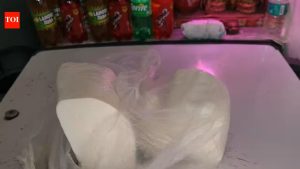
A major regulatory dispute has erupted across Mumbai’s dairy supply chain following a highly aggressive anti-adulteration campaign launched by the Maharashtra Food and Drug Administration (FDA). The sudden enforcement of strict quality compliance standards has triggered significant operational turmoil among metropolitan milk traders and small-scale dairy operators. While public health officials defend the immediate measures as vital to curbing localized contamination, industry representatives argue that the rapid administrative rollout has left the local supply network with insufficient time to adapt.
The core of the structural controversy centers on new, mandatory packaging regulations designed to eliminate open-volume vulnerabilities. Under the newly enforced FDA mandates, all raw milk sourced directly from urban cattle sheds (tabelas) must be sealed and sold exclusively in designated plastic pouches before distribution. Furthermore, high-volume bulk milk transported into the city via commercial road tankers is now strictly prohibited from being distributed loosely; it must undergo complete formal packaging at licensed hubs prior to final retail sale.
The regulatory shock has drawn sharp political intervention from regional leaders, most notably Shiv Sena politician Sanjay Nirupam. Nirupam has formally petitioned the state administration to grant local dairy traders an extended compliance window to absorb the packaging changes. While emphasizing that the local distribution network is willing to cooperate with public health objectives, he warned that enforcing immediate operational bans without giving smallholders time to procure packaging machinery could trigger severe milk shortages and artificial price spikes for urban consumers.
This administrative enforcement push is part of a much broader, uncompromising crackdown on food safety spearheaded by the regional FDA leadership. Parallel to the milk inspections, agency field teams have carried out unannounced sanitary audits across major commercial dining districts in the city. These inspections recently led to the immediate suspension of the operating licenses of three prominent eateries located in Mumbai’s high-density Bhendi Bazaar and Umarkhadi neighborhoods due to egregious hygiene and food safety violations.
The unfolding situation in Mumbai highlights the ongoing tension between rapidly modernizing public safety standards and the economic realities of informal agricultural trade networks. While the state administration remains determined to eradicate food fraud and build transparent, clean-label supply chains, the operational gap faced by small dairy operators underscores the need for transitional support. Striking a balance between immediate consumer protection and farmgate logistical realities remains the city’s most urgent agricultural bottleneck.
Source: Devdiscourse / ANI News
You can now read the most important #news on #eDairyNews #Whatsapp channels!!!
eDairy News ÍNDIA: https://whatsapp.com/channel/0029VaPidCcGpLHImBQk6x1F