

Effective November 21 for a 131-day window through March 2027, Kolhapur’s flagship dairy cooperative has lifted retail prices alongside Rs 2–3 per litre farmgate procurement increases, sparking pushback from farmers over high cattle feed costs and retail-farmgate spreads.
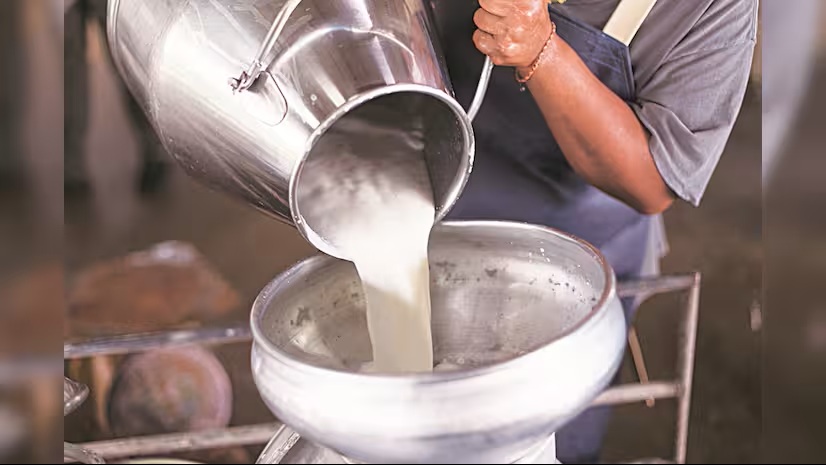
The Kolhapur District Cooperative Milk Producers’ Union—popularly known as Gokul Milk Union—has raised retail selling prices by Rs 6 per litre for buffalo milk and Rs 4 per litre for cow milk, while lifting farmgate procurement payouts by Rs 3 and Rs 2 per litre, respectively. Announced by newly elected Union Chairman and former MLA Rajesh Patil on Saturday, November 21, 2026, and approved unanimously by all 25 board directors, the revised tariff structure took effect immediately for a 131-day seasonal period running through March 2027, subject to monthly board reviews. Collecting roughly 16 to 18 lakh litres of raw milk daily from around 8,200 village-level primary cooperative societies for major urban markets including Mumbai and Pune, Gokul cited worsening regional drought conditions, projected declines in Maharashtra’s milk availability, and mounting cooperative operating deficits as the primary drivers behind the revision.
Farmgate procurement adjustments and cooperative balance-sheet pressures explain the dual structure of the November tariff revision. Under the new schedule—described by union management as its largest single procurement hike in a decade, generating roughly Rs 14 crore in additional monthly farmer payouts—buffalo milk suppliers receive an extra Rs 3 per litre while cow milk producers gain Rs 2 per litre. At the same time, passing double those increments onto retail consumers allows Gokul’s newly installed Mahayuti-backed board to address accumulated financial losses of Rs 24 crore to Rs 70 crore incurred during a six-month administrative tenure prior to November’s board elections, when previous producer rate increases were not matched by retail price adjustments.
Producer dissatisfaction erupted immediately following the announcement, with dairy farmers arguing that the Rs 2 to Rs 3 per litre procurement hike falls far short of covering severe cattle feed and fodder inflation. Farmers across Kolhapur district pointed out that commercial cattle feed bags are currently retailing between Rs 2,100 and Rs 2,200 each—and with a mid-sized dairy herd consuming three to four bags daily alongside scarce drought-affected green fodder, farm-level production expenses remain deeply underwater. Producers also criticized the widening spread between farmgate payouts and urban retail prices, noting that while farmers receive roughly Rs 63 per litre for buffalo milk, consumers in Mumbai and Pune pay upwards of Rs 78 per litre—alleging that the tariff hike disproportionately bolsters cooperative processing margins rather than producer livelihoods.
Broader retail dairy inflation across India reinforces the pricing pressures reshaping Maharashtra’s cooperative and private milk sectors. Gokul’s announcement—matched by neighboring Kolhapur cooperative Warana Milk Union—follows just days after national dairy giants Amul and Mother Dairy increased liquid milk retail tariffs by Rs 2 to Rs 4 per litre on November 12, 2026. Across India’s major milk sheds, slower raw milk output growth, lower winter butterfat recoveries, elevated packaging costs, and rising oilseed meal and fodder prices have prevented the usual post-monsoon winter flush price relief.
Regional cooperative governance and supply stability remain closely intertwined as Maharashtra enters the drier winter and pre-summer months. Chairman Patil cautioned that raw milk availability across Kolhapur and surrounding districts is expected to tighten significantly due to drought stress, requiring monthly board evaluations to prevent milk procurement shortfalls or supplier defections to competing private dairies.
Looking ahead through March 2027, Gokul’s monthly pricing reviews will test how effectively the cooperative can balance financial turnaround goals with farmer retention and urban consumer affordability. Unless cattle feed and fodder costs moderate or farmgate realizations rise further, tension over retail-to-farmgate value sharing is likely to persist across western Maharashtra’s dairy belt.
Source: Business Standard
You can now read the most important #news on #eDairyNews #Whatsapp channels!!!
🇮🇳 eDairy News ÍNDIA: https://whatsapp.com/channel/0029VaPidCcGpLHImBQk6x1F