



Escalating input costs, friction over cattle feed price hikes, and deep-seated administrative gridlocks trigger warning signs for the state’s primary milk cooperative.
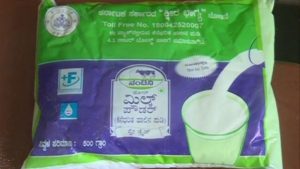
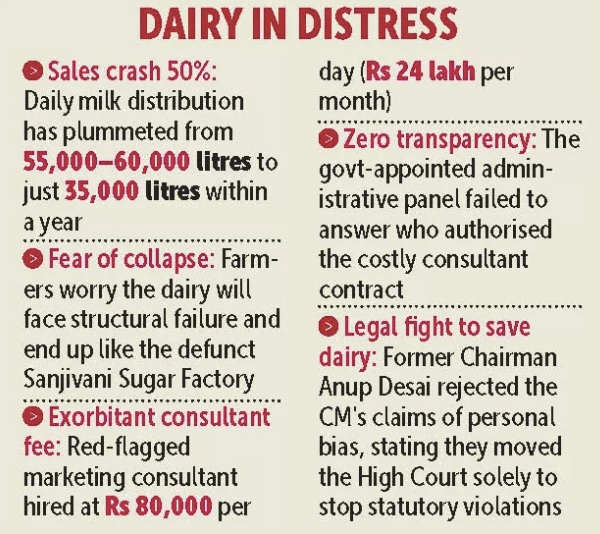
Dairy farmers across Goa are expressing severe concern over the long-term operational viability of the Goa District Cooperative Milk Producers’ Union, popularly known as Goa Dairy. Producers have openly drawn historical parallels to the collapse of the Sanjivani Sugar Factory—a state-backed cooperative asset that suffered severe losses before completely suspending processing operations. The intensifying anxiety among milk producers stems from a volatile mix of escalating operational overheads, inadequate procurement margins, and persistent management structural gaps that threaten the stability of the local primary sector.
The immediate trigger for the operational strain centers on intense friction regarding cattle feed pricing structures and local input availability. Recently, Goa Dairy’s board of directors threatened a mass resignation in response to a highly controversial increase in cattle feed rates enacted by the administration. For smallholder dairy farmers, feed constitutes nearly 70% of total daily production costs. The abrupt removal or reduction of targeted feed subsidies, combined with rising raw material transportation costs, has drastically compressed farmgate margins, making daily herd maintenance economically unviable for many rural families.
This cost pressure arrives despite temporary interventions by the state administration to cushion the impact on the rural economy. In April 2026, backed by Chief Minister Pramod Sawant, the Goa government approved an increase in raw milk procurement prices, raising rates by ₹6 per liter for cow milk and ₹10 per liter for buffalo milk. While this adjustment established a localized baseline of ₹56 and ₹78.4 per liter respectively, farmers argue that the ongoing inflationary spiral in veterinary medicine, labor, and energy has completely absorbed the benefits of the government payout.
Furthermore, systemic operational inefficiencies within the cooperative’s processing plant are compounding the crisis. Farmers point out that while retail milk prices were marginally increased across most consumer variants in late May to cover raw supply costs, the cooperative is struggling with severe structural losses due to declining daily collection volumes. As local producers downsize their herds or shift supply directly to aggressive private dairies in neighboring Maharashtra and Karnataka, Goa Dairy faces an empty capacity bottleneck that actively blocks its ability to achieve baseline financial self-sufficiency.
To avert a total cooperative shutdown, farmer unions are demanding immediate structural reforms, including the implementation of long-term feed price stabilization funds and a complete overhaul of the administrative board. Expatriate and local agricultural stakeholders warn that if the state government does not step in with direct infrastructure modernization grants and transparent governance auditing, the dairy cooperative will follow the exact downward path of the Sanjivani sugar sector. Securing a sustainable pricing model that accurately balances international feed volatility with regional consumer protection remains the most critical hurdle for the state’s livestock economy.
Source: O Heraldo / Herald Goa / The Navhind Times
You can now read the most important #news on #eDairyNews #Whatsapp channels!!!
eDairy News ÍNDIA: https://whatsapp.com/channel/0029VaPidCcGpLHImBQk6x1F