


Direct-to-consumer processing and strict cost accounting transform a 25-cow Kerala dairy enterprise into a profitable model for smallholders.
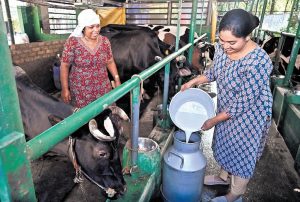
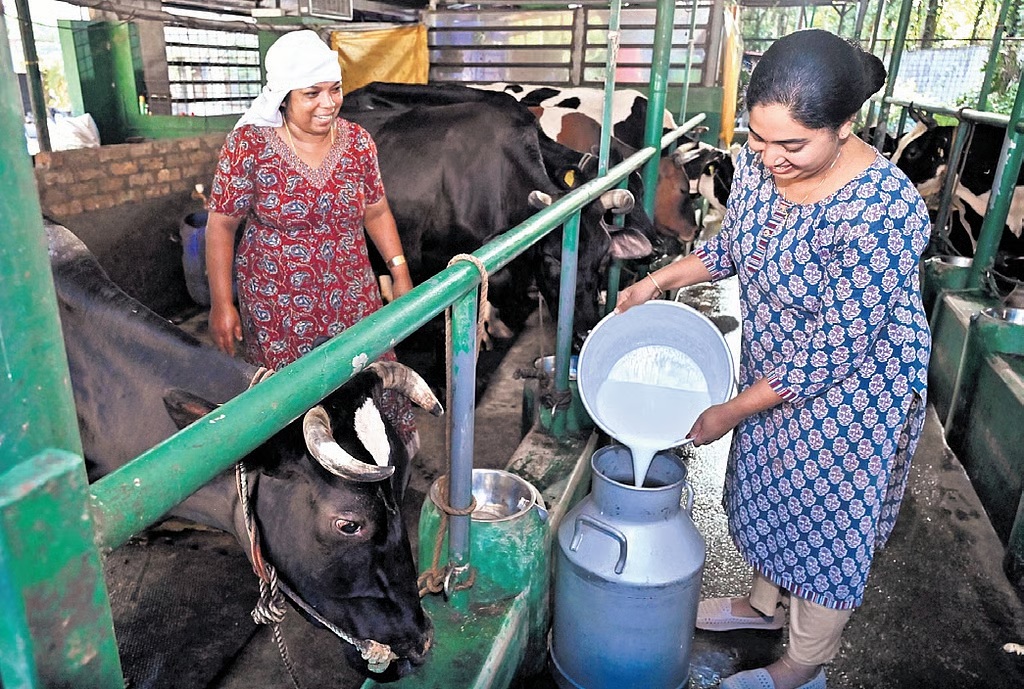
In the village of Ummalathoor near Kozhikode, dairy farmer Shyma has demonstrated how transitioning from conventional raw milk supply to on-farm dairy value addition and direct marketing can insulate smallholders from margin compression. What originated as a modest homestead setup with two indigenous Vechur cows to supply her young family has expanded into an intensive 25-cow herd yielding approximately 200 liters of milk per day. While standard smallholder models across southern India channel the vast majority of daily production into primary cooperative societies at standardized procurement prices, Shyma deliberately diverts a substantial volume into home-based dairy processing. By converting raw fluid milk into fast-moving dairy staples such as curd, paneer, and ghee, the enterprise captures downstream retail margins directly from regional consumers. This commercial model highlights how decentralized, small-scale value addition offers an effective pathway to elevate agricultural profitability without requiring capital-intensive industrial manufacturing infrastructure.
Processing operations on the farm are structured to maintain product freshness and ensure high component recovery across small, disciplined production runs. The enterprise converts roughly 25 liters of milk into fresh curd on a daily basis, manufactures fresh paneer twice weekly, and produces around 60 liters of clarified ghee per month for local retail distribution. Because processing occurs on-site immediately following milking, the products retain sensory and nutritional qualities that appeal to discerning household buyers, bypassing the long cold-chain transit cycles common in industrial networks. Daily farm management is executed with high labor efficiency, relying on family involvement alongside a single full-time worker to oversee feeding, sanitation, and milking schedules. In addition, institutional collaboration with local Krishi Bhavan agricultural extension officers and women’s self-help groups provides valuable technical backing and marketing support, allowing direct doorstep sales to scale smoothly within the surrounding neighborhood.
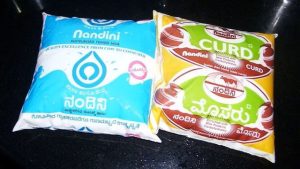
The rapid adoption of direct-to-consumer dairy retail in northern Kerala reflects shifting consumer preferences across urbanizing corridors in southern India. While commercial cooperative brands aggregate milk from thousands of disparate herds into standardized pouch milk, urban consumers are demonstrating an increasing willingness to pay premiums for traceable, minimally processed dairy goods produced by trusted local farmers. Specialty items such as artisanal cow ghee and freshly pressed paneer generate significantly higher revenue realization per liter than baseline procurement rates offered by village dairy societies. Furthermore, Kerala operates as a structurally milk-deficit state that regularly imports fluid milk from neighboring states to fulfill daily liquid requirements. Capturing this localized demand through direct neighborhood sales allows independent producers to bypass retail intermediary discounts and avoid the packaging and transport overheads associated with commercial supermarket supply chains.
From an enterprise finance and cost management perspective, shifting production toward processed dairy lines provides vital margin expansion to offset structural feed inflation. Shyma emphasizes disciplined operational accounting, carefully monitoring daily expenditures on cattle feed, labor, and packaging against unit yields and net sales revenue. In small-scale dairying, commercial concentrates and roughage frequently absorb up to 70 percent of recurring operational costs, making operations that rely solely on bulk milk sales highly vulnerable to input price volatility. Generating higher cash realizations through ghee and curd buffers enterprise cash flows and creates positive operating margins to service working capital needs. To further strengthen the farm’s financial footing, the enterprise has integrated complementary agricultural activities, including mushroom cultivation, banana farming, and poultry rearing, generating diversified revenue streams that stabilize annual farm income.
The operational success of this Kozhikode dairy model offers a compelling case study for rural development agencies and cooperative planners seeking to strengthen smallholder resilience across India’s dairy belt. As feed costs, land constraints, and extreme weather events challenge the viability of commodity milk production, empowering farmers with food processing skills and basic retail marketing capabilities can unlock substantial economic value. Programs that combine livestock breeding management with micro-scale processing equipment, hygienic packaging training, and financial literacy can transform low-margin family farms into resilient commercial enterprises. Furthermore, encouraging localized processing reduces spoilage losses during seasonal flushes and strengthens community food security. Looking ahead, fostering decentralized dairy value addition and direct marketing networks will remain a crucial strategy for elevating rural incomes and sustaining family-operated dairy farming across emerging agricultural economies.
Source: The New Indian Express
You can now read the most important #news on #eDairyNews #Whatsapp channels!!!
🇮🇳 eDairy News ÍNDIA: https://whatsapp.com/channel/0029VaPidCcGpLHImBQk6x1F