


Integrated farm-to-retail model transforms a struggling fluid milk farm into an eighty-crore branded confectionery chain across Karnataka.
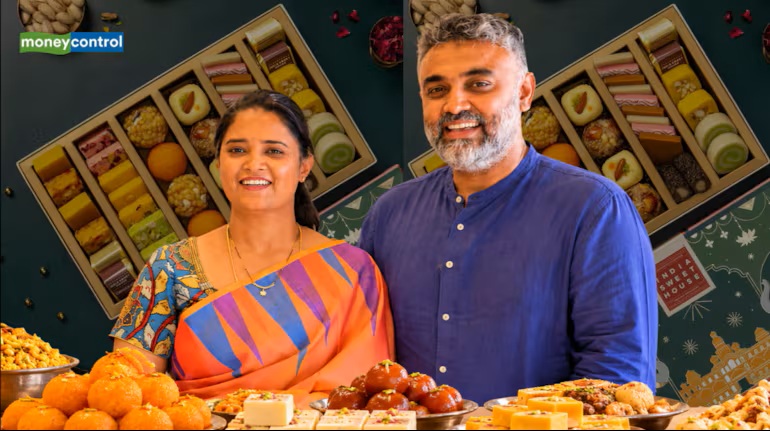
Bengaluru-based dairy enterprise India Sweet House has reached an annual turnover of Rs 80 crore while expanding its retail footprint to 50 company-operated and franchise locations across Karnataka, completing a major commercial turnaround from an unviable raw milk operation. Founded by entrepreneurs Vishwanath Murthy V and Shwetha Rajashekar alongside veteran food industry executive Rajesh Mehta, the business originated as an emergency operational pivot during the severe market disruptions of 2020. The founders operated Karma Farms, an organic dairy enterprise spanning over 20 acres near Bengaluru equipped with automated milking parlors and high-yielding herds, but faced severe operational losses and distribution bottlenecks selling commoditized liquid milk. Faced with surplus perishable volumes that could not clear urban wholesale channels, the management team chose to divert raw milk directly into traditional dairy confectionery manufacturing. What began as a tactical measure to prevent daily milk wastage has evolved into one of southern India’s fastest-growing organized sweet and dairy retail brands.
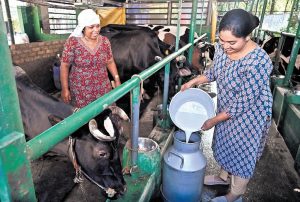
At the operational core of the business is a vertically integrated farm-to-kitchen supply network that bridges raw milk harvesting with centralized confectionery manufacturing. The enterprise maintains strict cold-chain protocols and automated milking systems at Karma Farms, ensuring untouched milk extraction and immediate chilling before transport to specialized kitchens. Raw milk is standardized and processed into core dairy building blocks, including concentrated milk solids (khoya), clarified butter (desi ghee), and whole-milk paneer, eliminating the need to purchase external dairy commodities from open spot markets. In commercial Indian sweet manufacturing, procuring third-party khoya carries acute exposure to synthetic adulteration, starch fillers, and variable moisture content. By anchoring its entire confectionery lineup to proprietary, farm-fresh milk solids, the company maintains strict bacteriological control, uniform fat-to-protein ratios, and consistent thermal stability across traditional recipes like Mysore pak, peda, and kaju katli.
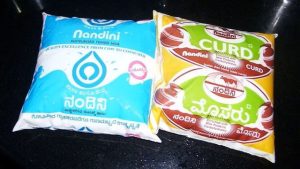
The rapid commercial scaling of the retail chain reflects a structural transformation across India’s traditional confectionery landscape, which has historically been dominated by unorganized local halwais and semi-formal sweet shops. Urban consumers are increasingly demanding verifiable provenance, hygienic processing, and organic ingredient credentials, moving away from unbranded sweets prone to food safety violations. While large dairy cooperatives dominate packaged pouch milk and standard pasteurized dairy, premium boutique brands are capturing substantial market share in the high-margin festive and gifting categories. By pairing traditional recipes with contemporary retail store layouts and standardized hygienic packaging, the brand has positioned itself in the premium tier of urban sweet retail. This consumer migration toward certified, farm-sourced sweets provides the enterprise with robust pricing power, protecting product margins against raw commodity cost swings.
From a financial perspective, moving up the value-addition curve fundamentally altered the unit economics of the dairy enterprise, shifting margins from near-zero fluid milk realizations to lucrative retail returns. Selling raw liquid milk in southern India typically yields razor-thin operating margins vulnerable to feed price inflation, transport overheads, and distributor discounts. In contrast, converting fluid milk into ghee- and mawa-based delicacies captures value multipliers of four to six times the baseline farmgate price per liter. The resulting cash-flow expansion enabled the business to internally fund retail store buildouts and modern kitchen equipment while maintaining manageable debt-to-equity ratios. Furthermore, securing seed institutional capital from private equity investors provided additional liquidity to accelerate omnichannel distribution, corporate gifting partnerships, and geographic expansion into Tier-1 retail high streets without overleveraging corporate balance sheets.
Looking ahead, the enterprise’s expansion to 50 stores demonstrates how integrating commercial dairy husbandry with branded consumer retail creates sustainable resilience against agricultural market shocks. The business model provides an operational blueprint for mid-sized dairy farm operators seeking to escape commodity price volatility by establishing direct downstream channels. Employing a workforce of more than 800 personnel, primarily rural women, the company combines localized employment generation with modern food retail governance. Management is now planning further geographical expansion across major urban corridors in southern India while exploring export channels to capture diaspora demand for authentic traditional sweets. By aligning livestock management and hygienic milk production with consumer-facing value addition, commercial dairy producers can capture enterprise stability and build durable, high-margin food brands.
Source: Moneycontrol
You can now read the most important #news on #eDairyNews #Whatsapp channels!!!
🇮🇳 eDairy News ÍNDIA: https://whatsapp.com/channel/0029VaPidCcGpLHImBQk6x1F