
Maharashtra’s regulatory enforcement removes cheap, adulterated milk and synthetic paneer, raising bulk procurement prices for commercial processors while rewarding honest farmers.
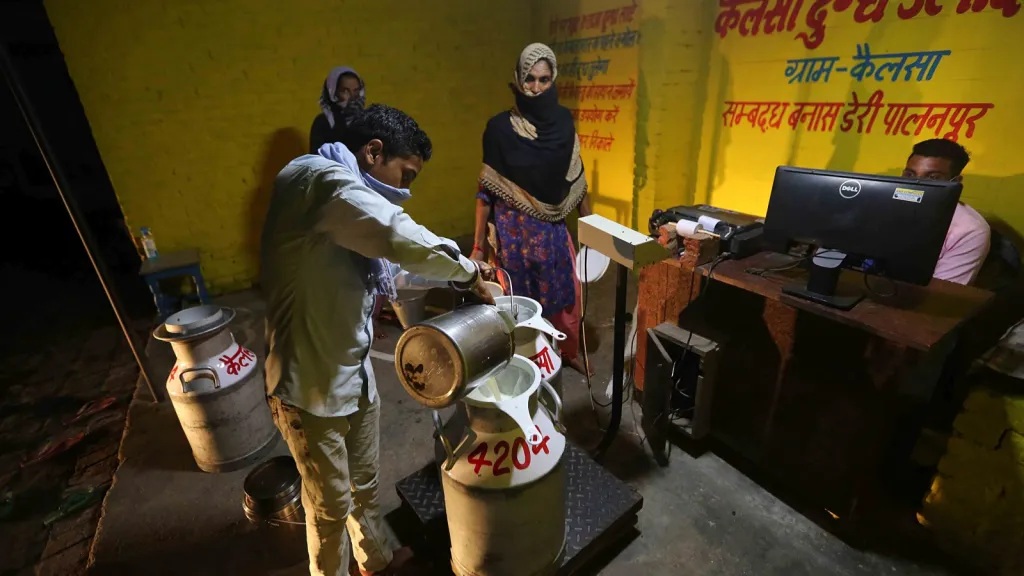
An investigation by Heena Khandelwal for The Indian Express details the far-reaching commercial impacts of a major crackdown on adulterated dairy products led by Maharashtra’s Food and Drug Administration (FDA) in the Mumbai Metropolitan Region (MMR). Over two months, FDA inspectors audited 360 establishments, seized 1.6 lakh litres of adulterated milk valued at ₹65.17 lakh, suspended 35 licenses, and filed seven criminal FIRs. While trade groups initially warned the stringent enforcement would trigger severe milk shortages across Mumbai, household supplies have remained fully stable through major organized cooperatives like Amul, Gokul, and Warana.
Instead of creating a retail shortfall, the regulator’s enforcement—guided by an explicit July 3 compliance order from FDA Commissioner Tukaram Mundhe—has systematically removed a layer of cheap, substandard milk estimated at 4% to 5% of the total regional supply. The order strictly mandates sealed, food-grade pouch packaging with full batch traceability, effectively banning the distribution of loose milk. Consequently, commercial bulk buyers like sweet manufacturers, restaurants, and paneer producers can no longer access cheap, diluted raw materials, driving a 30% to 35% surge in market demand for genuine, high-grade dairy ingredients.
The shift in market dynamics has directly hit operational margins for Mumbai’s sweet shops and commercial dairies, forcing them to pay higher wholesale rates for quality milk. Bulk procurement prices for high-fat milk have risen between ₹2 and ₹5 per litre, with some city dairies increasing retail cow milk rates to ₹60 per litre. Furthermore, businesses that previously bought low-grade paneer for ₹250 to ₹450 per kg are now forced to purchase genuine paneer at standard market rates near ₹800 per kg, eliminating the artificially low production costs of informal sweet makers.
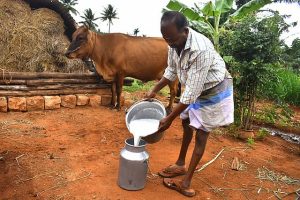
Conversely, the elimination of illegal milk adulteration—primarily water dilution used to fake volume while meeting basic fat thresholds—is delivering tangible financial gains to legitimate dairy farmers. With informal middlemen losing market share, organized processors and cooperatives are paying farmers higher farmgate rates based on genuine fat and SNF testing. For instance, farmers producing 6% fat milk are now receiving up to ₹48 per litre compared to ₹45 previously, providing a direct financial incentive for clean, high-quality farmgate production.
Ultimately, the FDA’s enforcement exposes a major structural divide between large, organized dairy brands and small-scale commercial processors. While major brands seamlessly absorb compliance, thousands of small sweet shops and single-store dairies face significant capital barriers to install mandatory packaging machinery, cold storage rooms, and temperature-controlled transport crates within short regulatory deadlines. As the FDA continues strict enforcement across Maharashtra, the regional dairy market is rapidly formalizing—trading artificial price discounts for consumer food safety and fair farmgate returns.
Source: The Indian Express
You can now read the most important #news on #eDairyNews #Whatsapp channels!!!
eDairy News ÍNDIA: https://whatsapp.com/channel/0029VaPidCcGpLHImBQk6x1F