


FSSAI parliamentary data reveals over 14,600 non-conforming samples, triggering 11,700 legal cases and ₹34.3 crore in civil penalties against non-compliant operators.
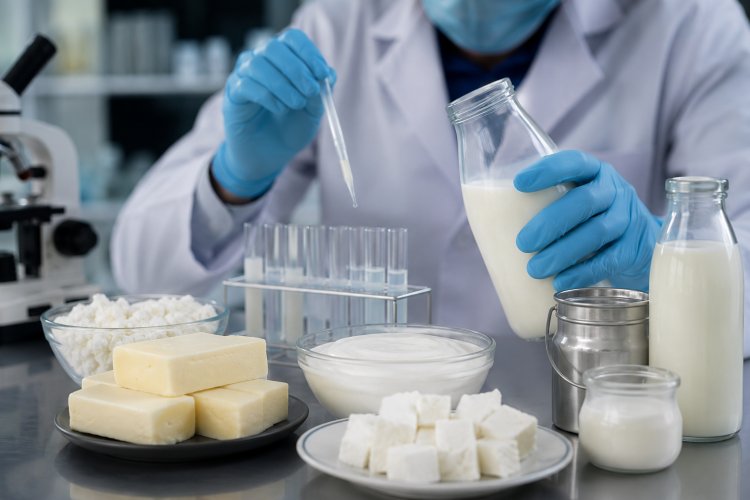
A nationwide food safety report presented in Parliament and analyzed by Rural Voice reveals that 37.3% of raw milk and dairy product samples tested across India during FY26 failed to meet official quality standards. Conducted by the Food Safety and Standards Authority of India (FSSAI), the testing program evaluated 39,351 samples, finding 14,668 non-conforming entries. The results mark an increase in non-conformance compared to FY25, where 12,780 out of 33,405 tested samples failed regulatory benchmarks.
In response to the widespread quality failures, food safety enforcement authorities initiated extensive legal actions against non-compliant food business operators. During FY26, authorities registered a total of 10,714 civil cases and 1,054 criminal cases. Judicial proceedings yielded 9,783 civil penalties or convictions—generating approximately ₹34.37 crore ($4.1 million) in fines—alongside 204 criminal convictions resulting in ₹34.51 lakh in penalties. Ministry representatives noted that these enforcement statistics remain provisional pending appeals and final laboratory re-testing.
Despite safety enforcement challenges, official parliamentary statements reiterated that India maintains its status as the world’s largest milk producer. National milk production expanded from 146 million tonnes in 2014–15 to 248 million tonnes in 2024–25, representing a 69% total growth rate over ten years. However, structural supply chain dynamics reveal that 37% of total milk output is consumed directly by farming households, while the remaining 63% enters commercial marketing channels.
A major underlying vulnerability driving quality non-conformance is the high share of unorganized distribution across the country. Of the milk entering commercial channels, 68% continues to be marketed through the unorganized sector—such as local vendors and unverified intermediaries—while only 32% is handled by organized dairy cooperatives and private processors equipped with cold chain testing infrastructure.
To address systemic quality risks, the Central Government emphasized ongoing initiatives to integrate more smallholder producers into organized dairy networks. By shifting farmgate procurement toward cooperatives and licensed private dairies, policymakers aim to improve village-level testing, establish standardized chilling infrastructure, and reduce producer reliance on informal middlemen.
Source: Rural Voice
You can now read the most important #news on #eDairyNews #Whatsapp channels!!!
eDairy News ÍNDIA: https://whatsapp.com/channel/0029VaPidCcGpLHImBQk6x1F