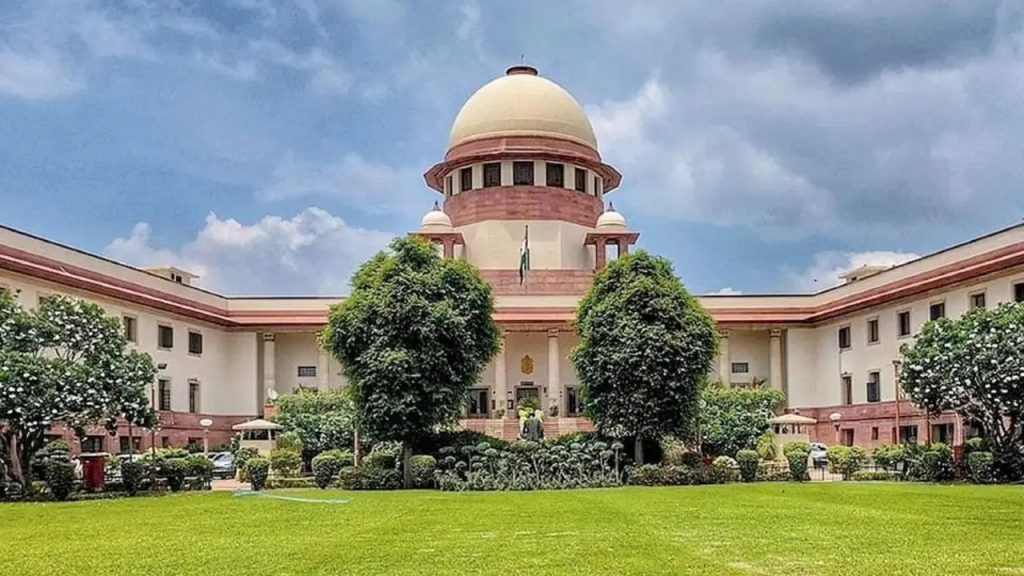




The Supreme Court sets aside a financial penalty against state food safety authorities, reinforcing regulatory compliance across dairy manufacturing.
The Supreme Court of India has set aside a High Court directive that ordered state food safety regulators to pay Rs 5 lakh in compensation to Gurunanak Dairy Sweets in Pune. The legal dispute originated after regional food safety authorities suspended the commercial food operating licence of the dairy confectionery enterprise following an official food poisoning complaint. While the state high court had previously revoked the licence suspension and ordered the regulatory body to pay monetary damages for business losses, the apex court bench quashed the financial penalty following arguments presented by state legal representatives. The judicial ruling establishes a crucial administrative precedent, confirming that statutory inspection authorities cannot be subjected to routine financial liabilities when executing safety mandates under the Food Safety and Standards Act of 2006. Legal observers emphasize that removing the financial penalty protects state inspection budgets and reinforces the authority of municipal food safety officers to conduct decisive hygiene enforcement without the immediate threat of compensatory damages.
Regulatory scrutiny of the dairy facility intensified after on-site inspection teams identified critical operational deficiencies across hygiene, inventory documentation, and product labelling. Technical audits revealed substandard sanitation protocols within processing areas alongside inadequate personal hygiene practices among facility workers handling perishable milk products. Manufacturing traditional dairy sweets such as peda, barfi, and paneer requires stringent thermal controls and clean-in-place standards to prevent microbial contamination and spoilage during production runs. In commercial sweet manufacturing, raw milk solids and condensed khoya are highly susceptible to bacterial proliferation if holding tanks and preparation surfaces are not continuously sanitized. By executing immediate administrative suspensions, food safety authorities sought to mitigate immediate public health risks associated with temperature abuse and unhygienic product packaging across the enterprise’s retail distribution counters.
The enforcement action reflects broader commercial and regulatory challenges facing India’s extensive traditional dairy confectionery and sweet manufacturing sector. Semi-organized sweetmakers and regional dairy processors handle substantial volumes of liquid milk and concentrated solids, particularly across urban centers like Pune and Mumbai during high-demand festival periods. Heightened consumer awareness and stricter regulatory enforcement have elevated scrutiny over wholesale milk procurement, synthetic adulteration, and substandard food handling practices. While large industrial dairy cooperatives operate enclosed automated processing lines and computerized clean-in-place systems, traditional retail confectioners often rely on labor-intensive handling methods that carry higher operational risks. Bridging the compliance gap between unorganized dairy artisans and national food safety standards requires persistent enforcement paired with accessible technical training across urban dairy clusters.
Sudden regulatory licence suspensions carry immediate financial repercussions for commercial dairy processors, abruptly cutting off enterprise cash flow and freezing working capital. Because dairy sweets and liquid milk ingredients are inherently perishable, unscheduled plant shutdowns force immediate inventory write-downs and disrupt scheduled trade receivables. The initial award of Rs 5 lakh in compensation reflected an attempt by judicial authorities to address the sudden commercial losses sustained by the enterprise during the regulatory closure. However, the apex court recognized that shielding regulatory oversight from personal or institutional liability is essential to maintaining robust administrative governance over the food processing sector. For dairy business operators, the ruling underscores the necessity of maintaining dedicated compliance budgets and enterprise contingency funds to absorb potential disruptions without risking balance sheet insolvency.
Beyond immediate factory operations, regulatory interventions create severe ripple effects across localized milk supply contracts and rural farmgate relationships. When a commercial dairy processing facility faces sudden licence suspension, daily intake agreements with village milk collection centers and independent farmers are abruptly severed, forcing suppliers to seek emergency spot-market sales. Ensuring seamless compliance with food safety protocols protects primary producers from volatile procurement cancellations and stabilizes farmgate milk prices across regional milk sheds. Looking ahead, processing enterprises must prioritize capital allocations toward computerized recordkeeping, staff sanitation certification, and modernized cold-chain storage to meet statutory standards. Clarifying regulatory immunity for good-faith inspections reinforces the institutional architecture needed to modernize India’s dairy manufacturing corridors and ensure safe consumer access to value-added milk products.
Source: Mid-Day
You can now read the most important #news on #eDairyNews #Whatsapp channels!!!
🇮🇳 eDairy News ÍNDIA: https://whatsapp.com/channel/0029VaPidCcGpLHImBQk6x1F