


Dairy farmers challenge milk price deductions of up to four rupees per liter enforced by cooperative societies across Tamil Nadu.
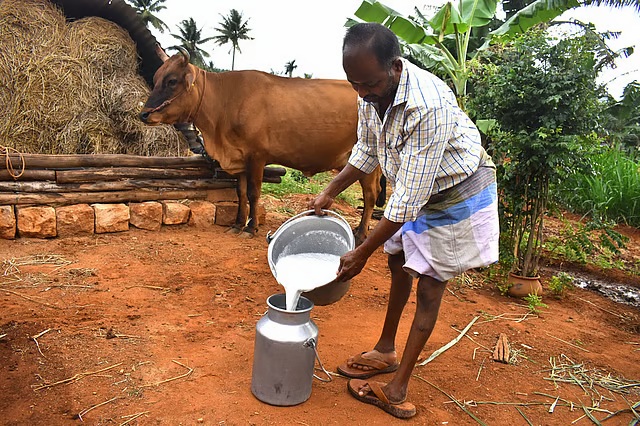
Dairy farmers in Tamil Nadu have expressed widespread frustration after primary cooperative milk societies imposed deductions of up to Rs 4 per liter from newly enhanced farmgate procurement rates. The state government had recently revised the benchmark procurement price upward from Rs 38 to Rs 44 per liter for cow milk and to Rs 53 per liter for buffalo milk, addressing long-standing industry demands for margin relief. However, regional cooperative management confirmed that a total of Rs 2.75 per liter is being systematically withheld at the primary society level, comprising Rs 1.75 for local administrative expenses and Rs 1 retained for delayed disbursement. Consequently, participating producers are receiving net bank credits of only Rs 41.25 per liter for cow milk, while some rural societies are reportedly docking larger sums approaching Rs 4 per liter. Agricultural delegates emphasize that these unanticipated deductions effectively neutralize the financial relief intended by the state cabinet, leaving producers unable to recover escalating production costs.
Operational procedures across village cooperative societies require continuous expenditure to maintain daily collection cycles, testing equipment, and milk chilling infrastructure. Under current administrative frameworks, primary societies utilize half of the deducted Rs 1.75 charge to cover routine operating costs and staff salaries, reserving the remaining half to fund annual bonus distributions for registered suppliers. Managing localized milk collection points requires dependable electrical supplies for small bulk coolers, regular calibration of automated fat and solids testing units, and hygienic transport to union processing plants. Despite these operational realities, commercial livestock keepers argue that everyday herd maintenance absorbs substantial liquidity that cannot withstand administrative withholdings. Daily farm operations demand substantial quantities of commercial cattle feed, dry fodder, and green forage, leaving smallholder herd managers with tight operational margins that require immediate, full cash realization.
The broader agricultural environment across southern India has been characterized by acute cost inflation across primary feed ingredients and livestock nutritional inputs. Prices for oilcakes, maize-based concentrates, and coarse roughage have surged over recent production seasons due to localized weather anomalies and regional fodder supply shortages. While cooperative processing unions and retail brands periodically adjust retail carton prices across urban consumer corridors to balance corporate revenues, primary farmgate receipts often remain constrained. Producer organizations stress that commercial dairying in rural areas is increasingly difficult to sustain as input costs outstrip the real purchasing power of net milk revenues. Without stable remuneration that reflects true production economics, smallholder operators risk facing sustained losses that could disincentivize continued participation in organized procurement pools.
From an institutional finance perspective, relying on farmgate deductions to finance primary society operations reveals underlying balance sheet constraints across the village cooperative tier. Many localized societies lack independent working capital reserves or direct municipal funding, forcing them to divert a share of raw milk proceeds into overhead cost recovery. This informal financing mechanism places immediate financial pressure on smallholder balance sheets, particularly for farmers who rely on micro-finance borrowings to purchase high-yielding dairy stock. Diminished weekly milk revenues heighten debt repayment stress, elevating delinquency risks on livestock loans extended by primary agricultural credit societies. Agribusiness analysts warn that funding cooperative administrative budgets through producer deductions rather than dedicated institutional capital undermines long-term liquidity across the rural dairy shed.
Resolving these operational tensions will require state authorities to step in and absorb cooperative administrative expenditures through targeted budgetary allocations. Producer representatives are demanding that the government guarantee the disbursement of the full procurement price of Rs 44 per liter for cow milk directly into farmer bank accounts without deductions. Directing treasury resources to underwrite society operational budgets would maintain local administrative continuity while protecting the disposable income of livestock farming families. Ensuring equitable remuneration is equally critical for preserving cooperative supply volumes, as prolonged deductions could drive disillusioned producers toward unregulated private buyers and middlemen. Looking ahead, establishing transparent payment frameworks and government-backed administrative financing will remain essential to sustaining herd viability and supporting the broader dairy economy across Tamil Nadu.
Source: The New Indian Express
You can now read the most important #news on #eDairyNews #Whatsapp channels!!!
🇮🇳 eDairy News ÍNDIA: https://whatsapp.com/channel/0029VaPidCcGpLHImBQk6x1F