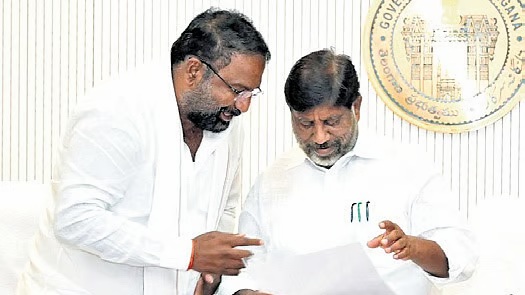



Deputy CM Mallu Bhatti Vikramarka deploys Vijaya Dairy for mass school nutritional distribution while tightening regional raw milk data tracking.
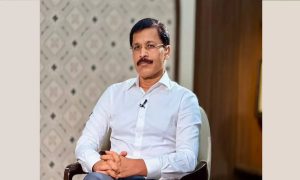
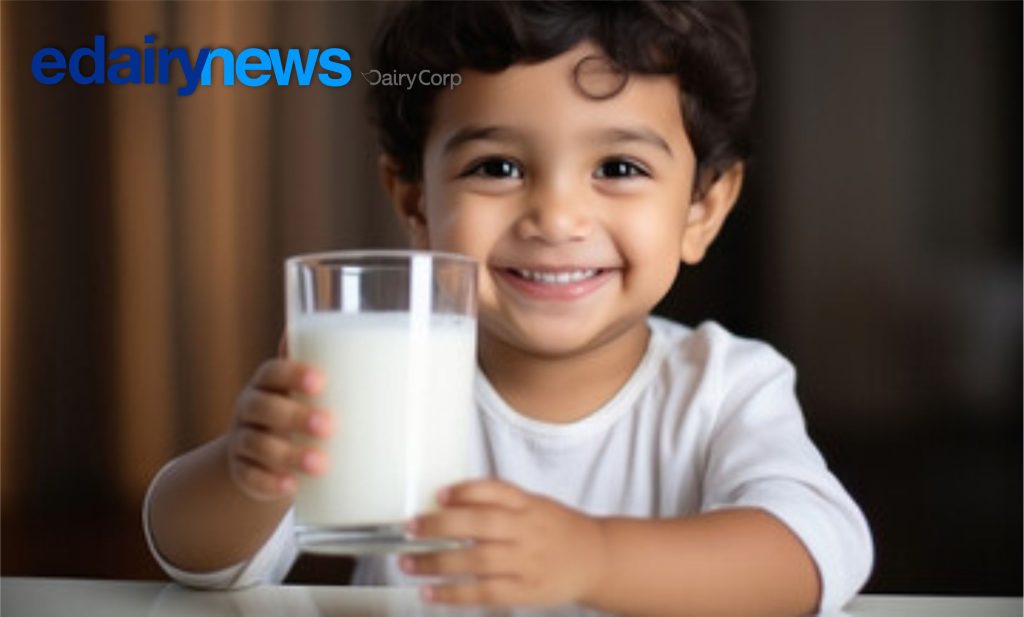
The regional administration of Telangana has rolled out a major institutional consumption mandate designed to structurally integrate state-backed dairy processing with regional welfare networks. Deputy Chief Minister Mallu Bhatti Vikramarka confirmed the government’s official decision to supply fresh milk to 27 lakh students across various public schools statewide. The mass nutritional distribution program will be executed exclusively through the infrastructure of the state-owned cooperative processor, Vijaya Dairy, establishing a direct, high-volume downstream outlet for regional milk production.
To support this major structural expansion, the provincial government is executing an intensive data-journalism and inventory initiative across its primary production zones. Vice-headed by the Deputy Chief Minister alongside Animal Husbandry Minister Vakiti Srihari, state planners have directed dairy officials to assemble comprehensive, statistical baselines detailing total provincial milk yields. In a bid to isolate real-world supply capacities, field inspection teams have been tasked with identifying exact, localized livestock populations to calculate current milk flows and eliminate raw data discrepancies.
The multi-tiered state intervention explicitly links consumer welfare channels to the economic stabilization of smallholder networks across rural Telangana. Acknowleging that large rural communities rely heavily on livestock for daily financial security, Deputy CM Vikramarka emphasized that the state is actively drafting clear, long-term policies regarding farmgate milk procurement prices. By implementing institutional off-take quotas through public school systems, the government aims to strengthen the commercial positioning and baseline profitability of the state-owned cooperative enterprise.
Addressing a chronic structural issue within cooperative dairy economics—namely delayed raw material payouts—the administration is implementing a rigid financial governance overhaul. Moving forward, the financial resources for the school milk supply lines will be transferred directly from independent state welfare departments to the concerned operational agencies. This strategic structural separation ensures that payments circumvent intermediate municipal bottlenecks and are disbursed to primary milk suppliers promptly and without delay, reinforcing farmgate confidence.
Looking ahead, state leadership is urging regional dairy administrators to integrate modern, data-driven manufacturing and collection methods to ensure long-term processing profitability. If rural producers receive consistent, timely remuneration for their daily raw milk flows, household economies can significantly withstand broader global market variations. Ultimately, the Telangana model demonstrates how state-directed institutional purchasing can effectively absorb regional volume surges, protect local smallholder interests, and secure regional food supply lines.
Source: The New Indian Express
You can now read the most important #news on #eDairyNews #Whatsapp channels!!!
eDairy News ÍNDIA: https://whatsapp.com/channel/0029VaPidCcGpLHImBQk6x1F