



New Delhi and Washington race to finalize a first-phase economic deal by July, targeting key agricultural and dairy barriers.
The primary regulatory and trade architecture connecting two of the world’s largest consumer economies is on the verge of a major structural realignment. Senior government officials from both India and the United States have confirmed that intense bilateral negotiations are being fast-tracked to finalize a first-phase trade agreement by July 2026. This high-profile diplomatic push aims to break a long-standing impasse, establishing a predictable legal framework to boost cross-border commerce and optimize international market access for high-value goods.
The upcoming July timeline underscores an aggressive commitment by trade representatives to dismantle persistent tariff barriers that have historically throttled market growth. Under the proposed terms of the initial phase, New Delhi is prepared to offer calculated tariff concessions on select American agricultural imports and specialized industrial components. In return, Washington is evaluating reciprocal measures to ease trade restrictions, helping stabilize bilateral trade flows amidst ongoing global supply chain volatility and fluctuating maritime freight costs.
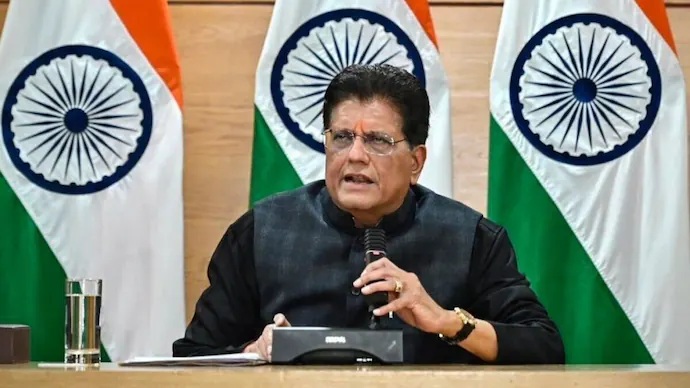
For international dairy analysts, cooperative directors, and agricultural economists, this brewing trade deal represents a critical geopolitical turning point. United States Trade Representative Jamieson Greer and Indian Commerce Ministry officials have been engaged in detailed technical audits to balance domestic smallholder protections with international trade demands. The formalization of this framework could fundamentally alter baseline pricing models and export corridors for premium nutritional ingredients, cheese portfolios, and processed whey derivatives entering the South Asian theater.
Beyond primary agricultural lines, the first-phase package is strategically engineered to resolve outstanding digital and technology trade disputes that have weighed on corporate investments. Both administrations are looking to utilize this mid-summer agreement as a vital economic stepping stone toward a more comprehensive, multi-tiered Free Trade Agreement (FTA) down the line. By locking in early regulatory wins in July, policymakers are aiming to inject renewed commercial confidence into regional manufacturing networks and private equity channels.
Looking forward, corporate risk managers and supply chain directors are closely monitoring the final legal text to adapt their regional procurement strategies before the summer implementation date. While minor technical details and product-specific certification rules are still being hammered out in closed-door sessions, the overarching political momentum remains exceptionally strong. Ultimately, achieving a breakthrough next month will provide a crucial economic buffer for both nations, defending baseline asset values and reshaping the competitive dynamics of international agribusiness.
Source: India Today
You can now read the most important #news on #eDairyNews #Whatsapp channels!!!
eDairy News ÍNDIA: https://whatsapp.com/channel/0029VaPidCcGpLHImBQk6x1F