


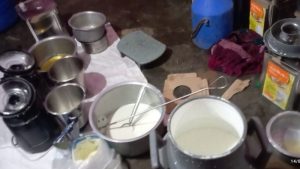
From backyard water dilution to high-tech organized food crime, sophisticated chemical adulteration networks push traditional dairy testing to the brink.
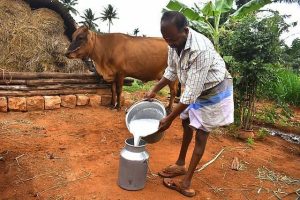
The structural and regulatory baseline of India’s massive domestic fluid milkshed is facing an unprecedented systemic challenge as traditional milk adulteration evolves into highly sophisticated, industrial-scale food crime. What once originated as localized, small-scale village tampering—primarily consisting of basic water dilution to stretch liquid volumes—has systematically transformed into an organized, technologically advanced underground sector. This profound shift is forcing national regulatory authorities, quality assurance directors, and processing executives to completely re-evaluate existing supply chain safeguards.
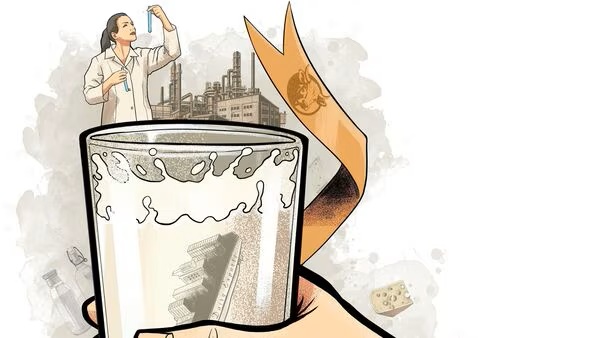
The core operational threat stems from the sheer chemical complexity of modern dairy counterfeiting methods. Unregulated illicit operations are increasingly utilizing precise chemical amalgams to artificially replicate the exact nutritional and physical profile of raw milk. By blending cheap vegetable oils, detergents, urea, and complex stabilizers, counterfeiters are able to flawlessly mimic the necessary density, fat content, and non-fat solids (SNF) parameters required to bypass routine reception checks at processing points.
This tactical evolution has rendered conventional home detection tools and historic laboratory testing methods largely obsolete. Historically, simple lactometers or basic chemical strips could easily flag unaligned water ratios or primitive foreign elements. Today, because illicit cartels balance their synthetic formulas to match natural milk’s chemical signature, standard consumer audits are failing to identify the presence of hazardous chemical extenders, creating severe long-term public health and brand equity risks.
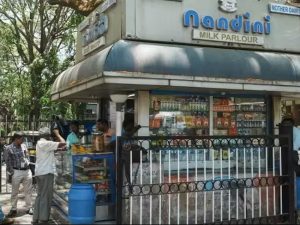
For large-scale processing cooperatives and international agribusiness analysts, this commercial contamination undercuts the economic survival of the legitimate farmgate. The influx of cheap, synthetic volumes into the informal urban distribution network creates an uneven playing field, depressing real procurement values and squeezing the margins of independent smallholders who operate with genuine livestock overheads. The scale of this shadow industry underscores a pressing need for the deployment of advanced mass spectrometry and digital batch-tracing logistics across regional collection grids.
Ultimately, mitigating this systemic vulnerability requires a permanent pivot toward zero-trust biosecurity protocols and aggressive regulatory enforcement from the factory floor to retail counters. As the Food Safety and Standards Authority of India (FSSAI) steps up border raids and laboratory audits, the formal dairy sector must champion the adoption of robust, real-time testing infrastructure at primary village collection centers. Protecting the integrity of the white revolution depends entirely on enforcing absolute transparency and dismantling the sophisticated economic networks driving counterfeit production.
Source: Livemint
You can now read the most important #news on #eDairyNews #Whatsapp channels!!!
eDairy News ÍNDIA: https://whatsapp.com/channel/0029VaPidCcGpLHImBQk6x1F