


Acute drought conditions trigger an escalating fodder crisis across Maharashtra, placing dairy herd economics and milk yields under extreme operational pressure.
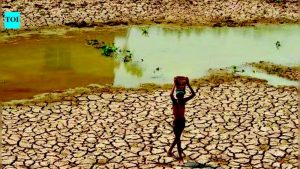
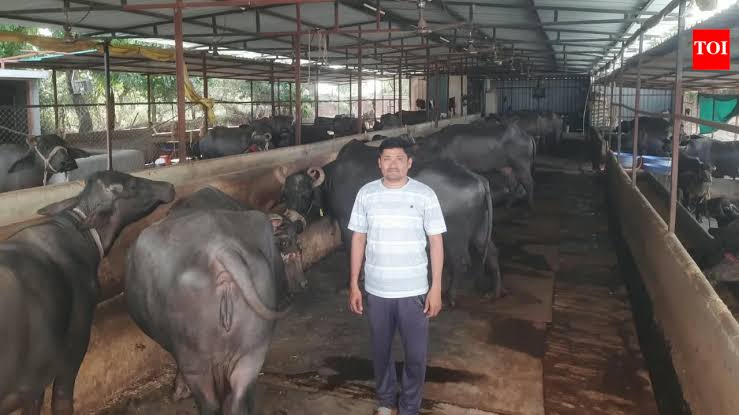
Acute drought conditions stemming from deficient monsoon rainfall across the Vidarbha region of Maharashtra have precipitated an intensifying fodder crisis, placing commercial milk producers under severe financial duress. The prolonged precipitation deficit has depleted surface water reserves and lowered regional aquifers, leaving livestock operations in districts such as Washim unable to secure basic herd nutrition. In Shendurjana village within Mangrulpir taluka, the operational strain has reached a critical threshold, forcing producers to consider the distress liquidation of nearly 50 dairy buffaloes. The enterprise, which expanded over three years to maintain a 52-head herd generating over 200 liters of milk per day, reflects the broader vulnerability of smallholder dairy units confronting climatic shocks. Without immediate feed availability, commercial milk supply chains across the region face substantial disruptions that threaten to reverse recent production gains.
Maintaining commercial lactation cycles under extreme heat and resource scarcity requires substantial daily resource inputs that local farm infrastructure can no longer sustain. A mature dairy buffalo demands between 60 and 70 liters of clean drinking water daily alongside five to six kilograms of high-protein cottonseed cake to maintain regular metabolic function and milk yields. On-farm tube wells and storage reservoirs across Mangrulpir taluka have completely dried up, eliminating the primary source of groundwater necessary for livestock hydration and facility sanitation. Transporting water via private tankers introduces severe logistic friction and recurring cash expenses that rapidly outstrip daily milk sales. In the absence of adequate hydration and balanced rations, animal health deteriorates rapidly, depressing daily milk output far below operational breakeven thresholds.
The broader feed marketplace across central India is enduring severe supply shocks following consecutive agronomic setbacks across multiple cropping seasons. Deficient precipitation during the kharif season drastically cut forage yields, while the subsequent failure of the rabi jowar crop eliminated critical regional reserves of coarse cereal stover. Because jowar stover serves as the primary fibrous roughage in local dairy rations, regional shortages have driven open-market fodder prices to prohibitive heights. Compounding the roughage deficit, prices for commercial concentrates and cottonseed cake have experienced sharp upward price pressure across regional trading hubs. This dual escalation in roughage and concentrate prices has created an unsustainable cost structure, leaving dairy farmers unable to generate positive operating cash flow.
The resulting economic insolvency is driving rural dairy operators toward rapid capital destruction and involuntary asset sales. High-yielding dairy buffaloes currently represent substantial capital investments, carrying market valuations ranging from Rs 1.25 lakh to Rs 1.5 lakh per head. Liquidating an established herd of 50 animals under distress conditions forces producers to accept discounted salvage valuations, wiping out accumulated equity and enterprise value. In response to mounting losses, affected farm owners have submitted formal appeals to the regional animal husbandry department, requesting urgent state intervention. Livestock advocates warn that without subsidized feed distribution or emergency fodder banks, viable commercial dairy ventures will be forced into permanent liquidation.
The potential collapse of regional dairy units carries severe socioeconomic implications for rural labor markets and vulnerable agricultural households. A mid-sized herd of 50 milking buffaloes directly sustains the livelihoods and weekly wage incomes of five to six village families who depend on daily milking, feeding, and herd management activities. Commercial dairying has traditionally served as an essential diversification strategy to insulate rural families from the acute volatility of rain-fed field crop farming. When climate shocks render animal husbandry financially unviable, rural employment opportunities contract, accelerating migration toward urban industrial centers. Establishing resilient fodder reserves and institutional insurance mechanisms will be imperative to protect producer livelihoods and maintain milk production stability across the region.
Source: The Times of India
You can now read the most important #news on #eDairyNews #Whatsapp channels!!!
🇮🇳 eDairy News ÍNDIA: https://whatsapp.com/channel/0029VaPidCcGpLHImBQk6x1F