



National survey highlights deep trust deficit despite growing demand, as FSSAI executes massive nationwide crackdowns on counterfeit dairy networks.
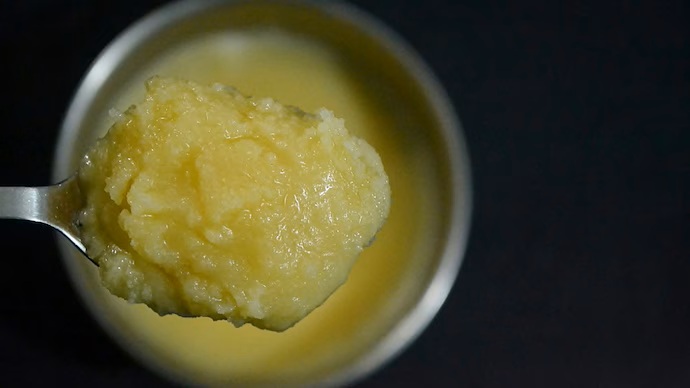
A new nationwide consumer survey has revealed a profound crisis of confidence among urban Indian households regarding the purity and quality of ghee (clarified butter), a staple deeply rooted in traditional diets and daily cooking. Conducted by community social media platform LocalCircles, the study synthesized over 91,000 responses from more than 18,000 unique urban households spanning 293 districts in India. The findings show that six in ten consumers (60%) are either only partially confident or not confident at all about the safety and purity of the ghee available to them, underscoring a growing trust deficit in the dairy supply chain.
This slide in consumer trust stands in direct contrast to the expanding market demand for ghee, which has been buoyed in recent years by a resurgence of interest in traditional wellness practices, ketogenic nutrition, and high-quality dietary fats. While 38% of respondents expressed high confidence in their purchases, the remaining 62% voiced significant anxiety over widespread food fraud. Industry analysts point to recurring media reports of adulterated and substandard products as the primary catalyst behind this heightened consumer skepticism.
To mitigate risk, urban households are overwhelmingly favoring established, sealed brands. The survey indicates that 89% of respondents primarily purchase branded, packaged ghee in jars or tins, while only 10% continue to buy loose, unbranded ghee from local vendors. Additionally, 22% of households choose to bypass retail markets altogether by making ghee directly at home from accumulated milk cream. For those purchasing pre-packaged options, brand reputation has become the paramount decision driver, with 76% prioritizing trusted labels and 66% ranking verified purity as their chief buying criteria.
The widespread anxiety is fundamentally justified by a string of aggressive, high-profile enforcement operations led by the Food Safety and Standards Authority of India (FSSAI). In mid-June 2026, a major inter-state operation by the FSSAI’s Northern Regional Office dismantled a massive counterfeit ghee network spanning Delhi and Haryana, seizing more than 6,500 liters of adulterated product mixed with cheap vegetable oils and non-dairy fats. Parallel actions in late 2025 and mid-2026 in cities like Bengaluru and Delhi have similarly exposed large-scale syndicates specializing in fraudulent relabeling and the distribution of counterfeit ghee under prominent regional cooperative brands.
Although ghee is highly valued, the survey reveals that most urban households use the lipid sparingly due to its premium cost relative to standard edible oils. Approximately two in three urban homes consume less than one kilogram of ghee per month, with use largely restricted to a spread on traditional flatbreads like rotis or as an ingredient in festive delicacies. To rebuild trust in this essential kitchen staple, consumer advocacy groups and analysts are calling for systematic reforms, including more frequent third-party testing, enhanced cold chain surveillance, and stricter legal penalties for food adulterators.
Source: India Today
You can now read the most important #news on #eDairyNews #Whatsapp channels!!!
eDairy News ÍNDIA: https://whatsapp.com/channel/0029VaPidCcGpLHImBQk6x1F