


Tripling per-capita intake drives milk protein toward 13.3 million tonnes, creating deep smallholder productivity and emissions challenges.
India’s annual per-capita protein consumption is projected to more than triple over the coming decades, rising from 9.5 kilograms in 2025 to 30 kilograms by 2070. Driven by expanding household incomes, steady urbanization, demographic growth, and evolving dietary choices, this shift represents a fundamental transformation in the nation’s food economy. However, unlike Western protein transition debates focused predominantly on reducing industrial livestock meat intake, India’s trajectory is uniquely rooted in its vegetarian culinary heritage, positioning dairy as the primary driver of future animal protein demand.
Dairy products already represent India’s largest single source of dietary animal protein and are forecast to account for the dominant share of absolute growth through 2070. Absolute protein consumption derived from milk is projected to climb from under 5 million tonnes in 2025 to 13.3 million tonnes by 2070, outpacing poultry, commercial egg production, and aquaculture combined. On an individual basis, annual milk protein intake is forecast to rise from 1.63 kilograms in 1990 to 13.1 kilograms by 2070, exceeding the moderate intake benchmarks set by international planetary health nutrition models.
The rapid scaling of dairy intake introduces substantial climate and environmental hurdles under business-as-usual production models. Projections indicate that annual greenhouse gas emissions across the nation’s protein supply chains could reach 1.92 gigatonnes of carbon dioxide equivalent by 2070, surpassing estimated climate-aligned thresholds of 0.25 gigatonnes by more than sevenfold. Although consumption of low-carbon legumes and pulses is also forecast to expand significantly, the carbon intensity and methane footprint of dairy farming remain the central factors in the nation’s agricultural emissions trajectory.
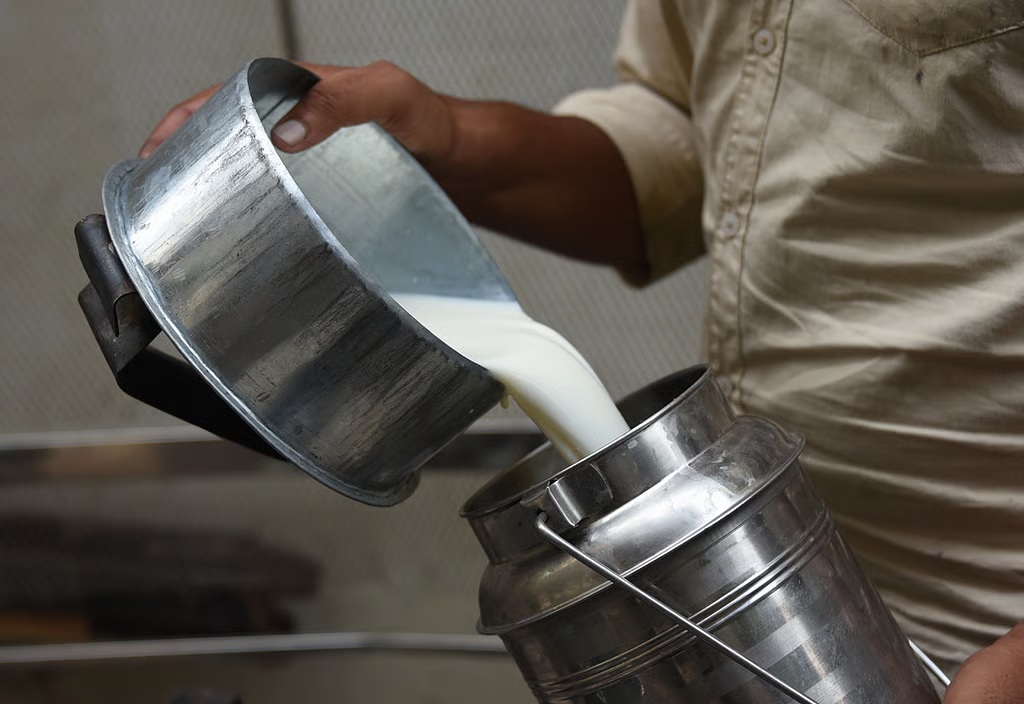
Managing this projected growth presents structural complexities due to the fragmented nature of the nation’s primary production base. India currently produces approximately 248 million tonnes of fluid milk annually, yet the vast majority of this output originates from smallholder farm households maintaining two to three milking animals. While national milk production grew by 63.6% over the decade leading to 2024 and bovine productivity improved by 27.4%, the sector continues to face critical constraints, including seasonal feed deficits, uneven veterinary infrastructure, and high methane intensity per animal.
Resolving the dual challenges of meeting growing national protein requirements while reducing environmental impacts will require targeted investments in supply chain modernization. Agribusiness leaders, research institutes, and policymakers are focusing on improving genetic merit, balanced ration formulation, and methane-reducing feed additives without eroding rural smallholder incomes. In parallel, accelerating domestic processing capacity for plant protein isolates—where the country currently relies on imports for nearly 90% of requirements—alongside scaling agricultural biogas systems will be essential to building a resilient, low-carbon dairy and protein ecosystem.
Source: Down To Earth
You can now read the most important #news on #eDairyNews #Whatsapp channels!!!
🇮🇳 eDairy News ÍNDIA: https://whatsapp.com/channel/0029VaPidCcGpLHImBQk6x1F