


Rising private dairy prices have triggered a surge in consumer demand for subsidized cooperative milk, exposing a daily procurement shortfall of roughly 10 lakh liters across Tamil Nadu.
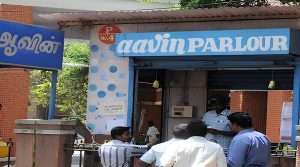
Supply disruptions for Aavin liquid milk have intensified across Tamil Nadu, leaving households and retail booths struggling to secure daily milk packets in Chennai and major surrounding districts. Distribution shortfalls have been documented across Tiruvallur, Kancheepuram, Villupuram, Kanyakumari, Tirunelveli, and Cuddalore as cooperative milk availability tightens. While Tamil Nadu produces approximately 3 crore liters of milk daily across its broader agricultural sector, the state-run Tamil Nadu Co-operative Milk Producers’ Federation currently procures only a fraction of total output. Operational figures indicate that Aavin requires roughly 37 lakh liters of raw milk per day to meet statewide commitments, yet daily farmgate procurement stands near 27 lakh liters, creating a persistent 10 lakh liter supply deficit.
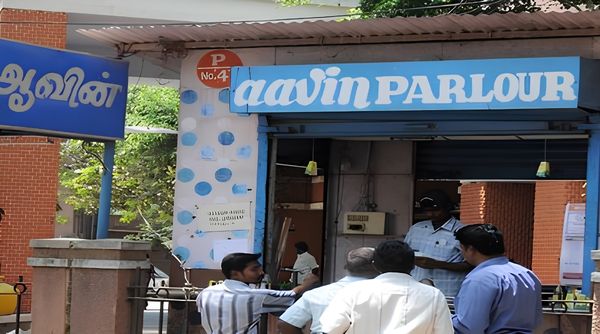
Metropolitan distribution metrics in Chennai underscore the severity of the supply contraction across urban retail channels. Under normal operating conditions, Aavin distributes roughly 16.5 lakh liters of fluid milk daily across the state capital, but supplies have declined by approximately 25 percent over recent months. Following an additional 10 percent reduction in distribution implemented from September 15, retail parlors have reported recurring stockouts during morning delivery windows. Alongside liquid milk packets, supply constraints have also affected value-added Aavin dairy products, with daily availability for select items dropping by 100 to 200 liters across local outlets.
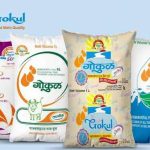
Price divergence between cooperative and private dairy brands has accelerated consumer migration toward Aavin products, compounding pressure on tight raw milk inventories. Following recent upward retail revisions by private dairy processors, Aavin’s green, orange, and blue milk packet variants retail at approximately ₹30, ₹26, and ₹22 per liter cheaper than comparable private-sector offerings. That wide retail price gap has prompted cost-conscious urban consumers to switch rapidly to cooperative milk, inflating daily demand just as raw milk inflows lag. Simultaneously, aggressive farmgate competition has intensified after procurement prices paid to dairy farmers rose by up to ₹6 per liter—lifting Aavin’s procurement rate to ₹44 per liter—while private dairies matched rate hikes to retain village suppliers.
Channel allocation disputes between retail milk agents and cooperative management have further heightened scrutiny over inventory management. Milk agents’ associations contend that while Aavin requires around 33 lakh liters daily to satisfy traditional booth networks, actual farmgate collections have hovered between 22 and 24 lakh liters. Representatives of the agents’ network have also alleged that roughly 5 lakh liters of milk are being channeled daily through online sales platforms to private corporations and supermarkets, diverting scarce volume away from neighborhood retail booths. These competing operational claims highlight structural tension between institutional B2B fulfillment and subsidized household distribution.
Looking ahead, cooperative officials anticipate that seasonal improvements in rural milk production will gradually ease procurement bottlenecks and restore normal retail availability. Management indicated that farmgate milk inflows are expected to strengthen as seasonal fodder conditions improve across key Tamil Nadu milk sheds, allowing processing plants to rebuild liquid milk dispatch volumes. How effectively Aavin narrows its procurement deficit while balancing subsidized retail pricing against private-sector competition will determine supply stability across southern India heading into 2027.
Source: Live Chennai
You can now read the most important #news on #eDairyNews #Whatsapp channels!!!
🇮🇳 eDairy News ÍNDIA: https://whatsapp.com/channel/0029VaPidCcGpLHImBQk6x1F