



Distributors implement Re 1 per unit adjustment ahead of festival demand while maintaining headline billing rates for households.
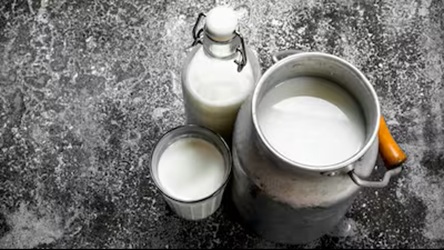
Liquid milk distribution networks across Pune and broader western Maharashtra are navigating targeted commercial pricing revisions ahead of the peak Ganeshotsav festival season. Dairies and regional trade associations have instituted a Re 1 nominal price increase per pouch across primary retail varieties, including cow and buffalo milk categories. However, rather than translating into an immediate spike in monthly household expenditures, the technical adjustment operates through restructured distributor margins, packaging incentives, or delivery charges designed to absorb rising operational overhead.
The timing of the revision coincides with the annual surge in consumer demand driven by regional festive observances, during which household dairy consumption and sweetmaking requirements rise sharply. Dairy processors frequently face compounding supply constraints during this period, balancing elevated procurement premiums paid to producers against escalating urban freight and packaging expenses. By adjusting the baseline per-unit rate by Re 1, processors and cooperative unions seek to protect processing margins without triggering widespread consumer pushback.
The underlying operational mechanism behind the “unchanged bill” dynamic lies in how local milk delivery channels and retail vendors administer subscription pricing models. In urban centers like Pune, doorstep milk delivery services and neighborhood retailers often adjust monthly billing cycles through packaging return rebates, volume discount tiers, or absorbed transportation fees. As a result, end consumers purchasing standard monthly allocations experience minimal immediate change in net billing totals, while vendors recalibrate margins across high-volume festival procurement.
At the producer level, cooperative federations and private dairies face growing pressure to raise procurement prices to cover escalating farm-level input costs. Milk producers across Maharashtra have actively lobbied for improved farmgate realization, citing higher expenses for compound feed, dry fodder, and veterinary upkeep. The fractional price adjustment allows milk unions to channel incremental revenue toward farmer pay prices during high-demand festival weeks, preventing procurement diversions to competing private buyers.
Balancing consumer price sensitivity against sustainable farmgate economics remains a persistent challenge for the organized dairy ecosystem across western India. While localized adjustments and margin restructuring provide temporary relief to retail logistics chains, sustained long-term profitability hinges on raw milk supply stability and efficient processing throughput. As festival consumption peaks, dairy enterprises must maintain strict cold chain integrity and transparent pricing structures to navigate seasonal demand surges across municipal consumer markets.
Source: News18
You can now read the most important #news on #eDairyNews #Whatsapp channels!!!
🇮🇳 eDairy News ÍNDIA: https://whatsapp.com/channel/0029VaPidCcGpLHImBQk6x1F