

Comprehensive analysis of India’s massive dairy expansion, shifting value-added product pipelines, and the rising threat of chemical milk adulteration.
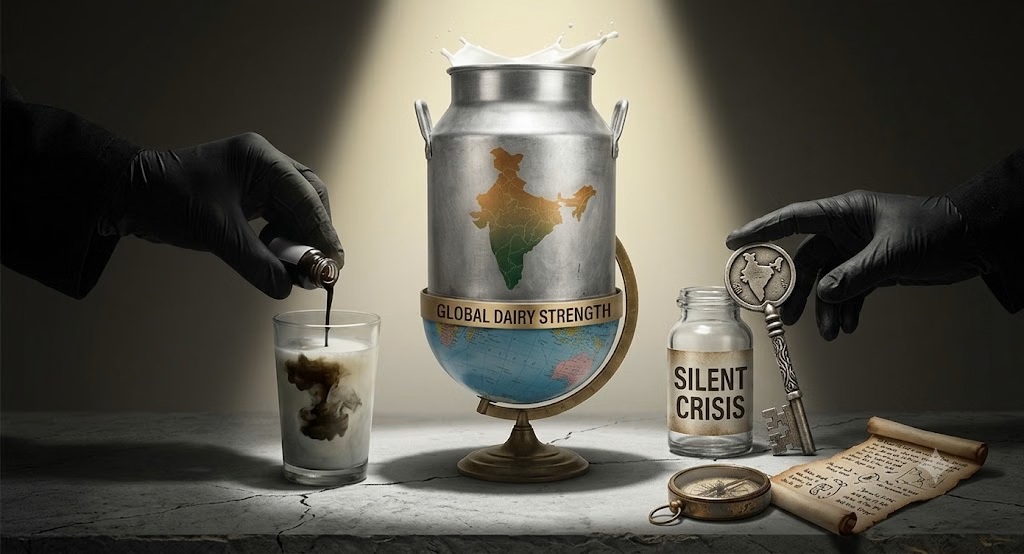
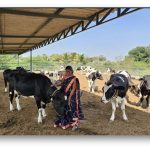
India firmly anchors the global dairy industry, contributing nearly one-fourth of the world’s 980 million-tonne annual milk output. During the 2024–25 fiscal year, the country achieved a massive production volume of approximately 247.87 million tonnes of milk, supported by a high national per capita availability of 485 grams per day. While traditional cow milk yields account for roughly half of this aggregate output, rich buffalo milk supplies generate another 44 percent, granting India a unique structural advantage in manufacturing high-fat, high-solids-not-fat (SNF) dairy commodities. However, a major infrastructure hurdle persists: nearly two-thirds of the country’s total milk volume continues to circulate through the unorganized sector, highlighting an acute requirement for modern centralized processing infrastructure, testing facilities, and quality-control laboratories.
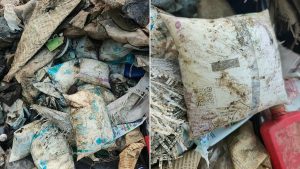
Running parallel to this record-breaking volume is a deepening public health and economic crisis driven by sophisticated milk adulteration, with recent surveillance data showing that 65 to 70 percent of sampled milk fails basic food-safety standards. Fraudulent operations have evolved far past simple water dilution into complex multi-ingredient chemical manipulation designed to bypass traditional detection. Unorganized networks systematically utilize starches, maida, glucose, chemical detergents, synthetic surfactants, urea, and neutralizers to mimic raw milk characteristics, while compounding the bio-risk with dangerous shelf-life extenders like hydrogen peroxide, formalin, and benzoates. Furthermore, severe environmental pollution has introduced toxic heavy metals like lead, chromium, and arsenic into multiple regional milksheds via contaminated feed and water lines, while criminal syndicates across Uttar Pradesh, Rajasthan, Haryana, and Madhya Pradesh manufacture up to 10,000 liters of purely synthetic chemical milk daily.
Recent enforcement actions highlight the alarming multi-state footprint of this fraudulent dairy market. High-profile regulatory busts include the destruction of 30,400 liters of high-salinity, salt-adulterated milk in Sangli, the seizure of 900 kilograms of fake starch-based paneer in Dhanbad, and a massive ₹250-crore counterfeit ghee scam linked to the Tirumala Tirupati Devasthanams where the implicated dairy had not procured any actual milk or butter. To combat these dangerous market deviations, state enforcement bodies are actively deploying mobile milk-testing vans, mandating vendor registration, and integrating advanced diagnostic tools like FTIR analyzers, portable IR biosensors, and digital traceability systems to police unorganized transit lines.
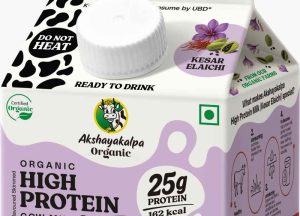
Despite these structural friction points, the economic valuation of the Indian dairy industry remains on an explosive trajectory, reaching a market value of ₹21.3 lakh crore in 2025 with projections to nearly triple by 2034. On a global scale, this expanding ecosystem underpins a worldwide market expected to exceed USD 274 billion by 2032, with dairy generating 3 percent of India’s Gross Value Added (GVA) and 5 percent of its total GDP. To capture premium margins, large private dairy corporations are actively reducing or entirely exiting the low-margin fluid milk commodity trade. Instead, processors are funneling heavy investments into automated processing assets to scale up high-margin Value-Added Products (VAPs) like dahi, shrikhand, mozzarella cheese, and probiotic functional beverages, which currently enjoy rapid growth rates of 16 to 18 percent.
Looking ahead, international dairy analysts are tracking acute climate change risks alongside a parallel surge in consumer interest toward specialized animal milks. Severe heatwaves present an immediate threat to regional output, as a single hour of wet-bulb temperatures exceeding 26°C can depress daily livestock yields, driving a potential 10 percent drop in aggregate volume and forcing a transition toward climate-smart feeding and heat-tolerant breeds. Simultaneously, the market is diversifying into highly functional, species-specific niches; while traditional cow and buffalo milk dominate over 95 percent of national output, commercial demand is soaring for alternative functional streams—including highly digestible A2 milk, anti-inflammatory goat milk, nutraceutical-rich sheep milk, camel milk for metabolic support, and hypoallergenic donkey milk engineered for premium infant formulas and cosmetics.
Source: Krishi Jagran
You can now read the most important #news on #eDairyNews #Whatsapp channels!!!
eDairy News ÍNDIA: https://whatsapp.com/channel/0029VaPidCcGpLHImBQk6x1F