


Record voter participation marks the Gokul Dairy election as rival alliances vie for five-year governance over Western Maharashtra’s largest cooperative.
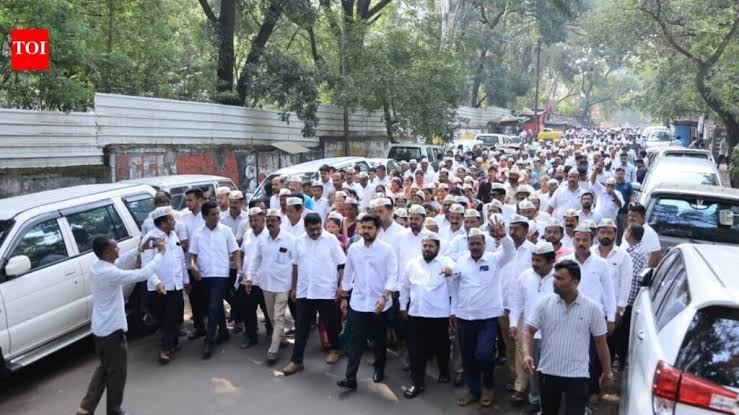
The Kolhapur District Cooperative Milk Producers’ Union, commercially recognized as Gokul Dairy, registered an unprecedented 99.96 percent voter turnout during its governing board elections for the 2026 to 2031 administrative term. Out of 5,418 accredited primary dairy cooperative society delegates eligible to vote across Kolhapur district, a total of 5,416 cast paper ballots across 35 designated polling stations. The election represents an intense political and economic contest between the ruling Mahayuti-supported Chhatrapati Shahu Shetkari Vikas Aghadi and the opposition alliance spearheaded by the Rajarshi Shahu Shetkari Samadhikari Aghadi. Formal vote counting across the general and reserved category director seats commenced immediately following the high-participation polling day, with narrow margins and selective cross-voting characterizing the early ballot tallies. Determining the executive directorship of the cooperative federation carries decisive implications for commercial milk pricing, factory modernization strategies, and the broader political economy of Western Maharashtra.
From an operational and processing infrastructure perspective, Gokul Dairy functions as an economic anchor across the regional agrarian landscape, collecting and processing more than 1.4 million liters of raw bovine milk daily. The cooperative coordinates an extensive procurement grid comprising thousands of village-level primary dairy societies, intermediate bulk milk chilling stations, and computerized testing centers spread throughout the Western Ghats milkshed. Raw milk intake is channeled directly into modernized dairy processing facilities in Kolhapur alongside specialized packaging and cold chain satellite depots designed for inter-district transit. The cooperative handles substantial volumes of both indigenous buffalo milk and crossbred cow milk, utilizing automated pasteurization lines, centrifugal clarifiers, and continuous packaging machinery to supply standardized liquid milk pouches. Maintaining unbroken cold chain logistics from rural collection points to urban distribution hubs remains vital to preserving product quality, microbiological stability, and consumer shelf life in fast-moving urban retail corridors.
In terms of regional commercial market share and consumer distribution, Gokul Dairy maintains an indispensable market footprint across western India’s most lucrative metropolitan consumption centers. The union directs the vast majority of its packaged liquid milk output into Greater Mumbai, Navi Mumbai, and Pune, where its high-fat buffalo milk pouches command enduring brand loyalty against cooperative conglomerates like Amul and private commercial processors. Beyond fluid pouch milk, the federation has expanded its product mix into high-margin value-added categories, including clarified butterfat, indigenous fermented dairy desserts, table butter, and paneer. This diversified manufacturing strategy allows the enterprise to capture higher processing margins and mitigate seasonal milk flush imbalances when raw intake exceeds baseline liquid consumption. Strategic leadership over the governing board directly influences consumer marketing budgets, retail pricing strategies, and regional distributor margins across competitive urban supermarket networks.
From an enterprise finance and cooperative balance sheet standpoint, the federation oversees an annual commercial turnover exceeding ₹3,500 crore, demanding sophisticated working capital management and capital expenditure oversight. Generating steady cash flows from daily liquid milk sales allows the cooperative to finance large-scale industrial projects, including cattle feed manufacturing plants, automated powder spray-drying towers, and solar-powered cold storage infrastructure. The newly elected board of directors will assume fiduciary responsibility over commercial borrowing lines, bank overdraft facilities, and supplier credit agreements negotiated with institutional banking syndicates. Furthermore, rising energy tariffs, refrigerated transport fuel expenses, and packaging film inflation require strict budgetary discipline to safeguard operating margins. Prudent capital allocation ensures that the cooperative maintains liquidity reserves capable of absorbing input shocks while preserving capital for long-term dairy processing automation.
At the farmgate procurement level, the outcome of the governing board contest dictates foundational milk purchase price schedules and annual patronage dividend distributions for rural dairy farming families. Member producers rely directly on Gokul’s fortnightly payment cycles to service livestock debt, purchase concentrated balanced feed, and invest in herd health management. The incoming five-year leadership panel faces immediate supplier expectations to enhance buffalo and cow milk procurement rates to offset elevated fodder costs while expanding veterinary outreach programs and subsidized artificial insemination services. Preserving transparency in electronic fat and solids-not-fat testing at the village collection tier remains central to defending primary producer trust and retaining supplier loyalty against aggressive private collectors. Establishing professional, transparent governance over the cooperative ensures that commercial processing gains continue to translate into sustainable economic returns for rural milk-producing households heading into 2027.
Source: The Times of India
You can now read the most important #news on #eDairyNews #Whatsapp channels!!!
🇮🇳 eDairy News ÍNDIA: https://whatsapp.com/channel/0029VaPidCcGpLHImBQk6x1F