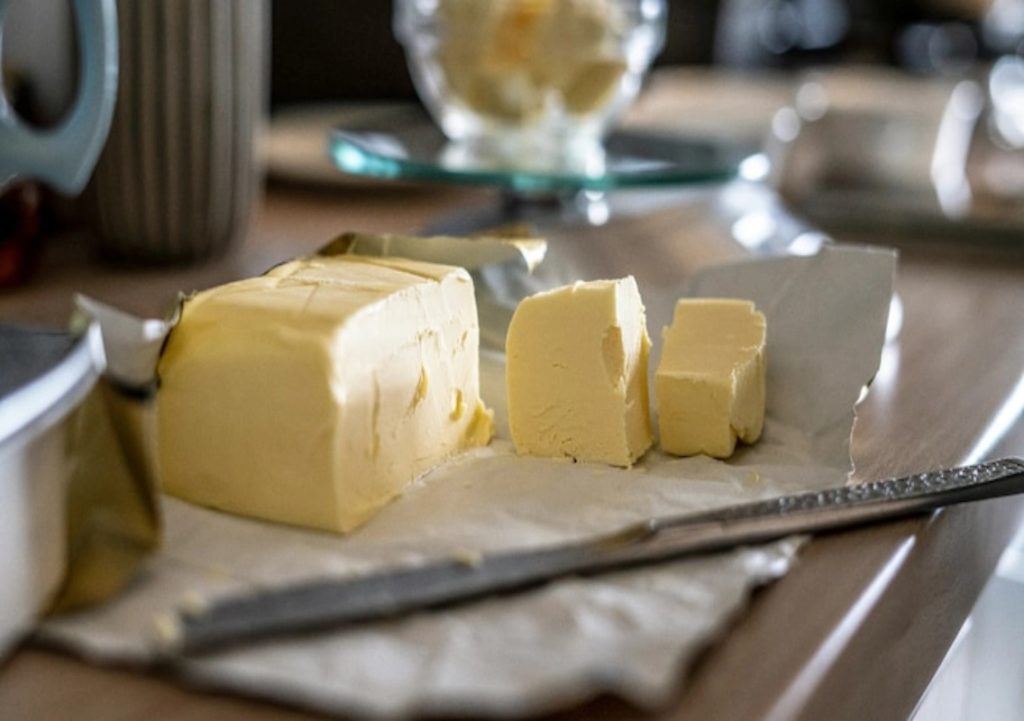




Tight milk-fat availability, depleted dairy inventories, and 15% to 20% higher cattle-feed costs are pushing butter and ghee prices higher in India even as total national milk output continues to expand.
Retail and wholesale prices for butter and ghee in India face further upward pressure as tight milk-fat supplies, low processor inventories, and elevated feed expenses squeeze dairy margins across the country. Although official government statistics show India’s total milk production rose 2.4 percent to 253.81 million tonnes in fiscal 2026 from 247.87 million tonnes the prior year—reinforcing its standing as the world’s largest milk producer—fat-rich dairy categories have tightened markedly, with ex-dairy butter climbing 54.3 percent to ₹537 per kg in October 2026 compared with ₹348 per kg in October 2023, outpacing skimmed milk powder at ₹295 per kg.
Distributor feedback and market tracking point to tighter availability of butter, ghee, and fresh cream across supply chains, including multi-month stock gaps on ghee in several distribution channels following recent retail price revisions by major cooperatives such as Amul and Nandini:
-
Milk-Fat and Herd Composition Dynamics: Buffalo milk carries higher fat content than cow milk, and buffaloes accounted for roughly 43 percent of India’s milk output in fiscal 2025—meaning shifts toward cow milk can lift total volume without generating a proportional increase in milk fat.
-
Fodder Constraints and Feed Inflation: Limited green fodder linked to uneven rainfall has weighed on milk productivity and stock rebuilding, while cattle-feed costs ran 15 to 20 percent higher year-on-year in September on pricier maize, de-oiled rice bran cake, and soy-based inputs.
Firm Procurement Costs: With dairy inventories drawn down and fat demand steady across household cooking and sweet-making segments, milk procurement rates are expected to remain firm into fiscal 2027.
For Indian dairy cooperatives and private processors, balancing raw milk procurement payouts against consumer price resistance remains a delicate commercial test. Higher farmgate prices help incentivize herd maintenance and steady milk collection, yet steep retail jumps in ghee and butter can test household budgets and prompt substitution in price-sensitive segments.
Restoring fuller fat inventories and easing cost pressure over the coming months will depend heavily on green-fodder availability, balanced cattle nutrition, and herd productivity across key milking belts.
Until fat supply catches up with processing and retail demand, butter and ghee markets in India look set to stay tight and cost-sensitive.
Source: News Karnataka
You can now read the most important #news on #eDairyNews #Whatsapp channels!!!
🇮🇳 eDairy News ÍNDIA: https://whatsapp.com/channel/0029VaPidCcGpLHImBQk6x1F