

Fearing tariff reductions on heavily subsidized American agriculture and dairy, unions mobilize at the border to demand complete sector exclusions and structural safeguards.
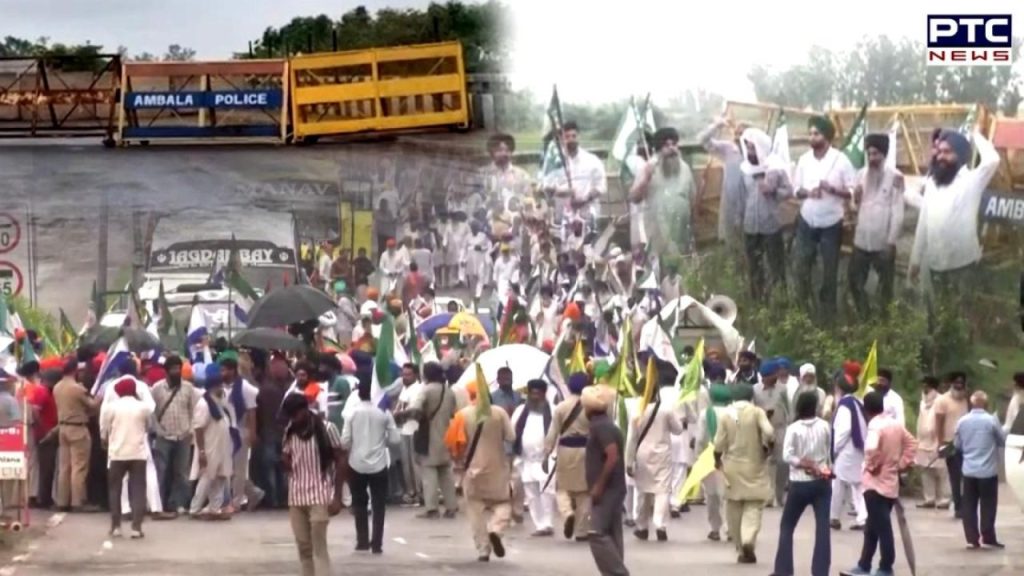
Agricultural unions across Punjab, Haryana, and neighboring states have initiated a major wave of protests, culminating in a planned “Kisan Mahapanchayat” in Delhi to oppose the ongoing negotiations surrounding a proposed India-US bilateral trade agreement. Organised under the collective banner of the Desh Bachao Morcha—alongside prominent farmer bodies—protesters have gathered in large numbers at key border transit points such as Shambhu and Khanauri. The central driver of the mobilization is deep-seated anxiety over how potential tariff cuts on American agricultural commodities could disrupt domestic farmgate prices and undermine smallholder economic viability.
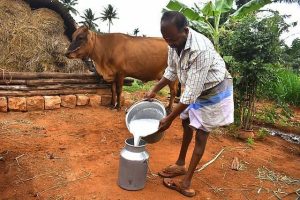
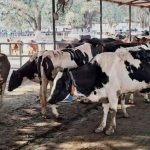
A primary area of concern for the farming community is the prospective vulnerability of India’s domestic dairy and livestock sectors. With millions of rural families in India relying on dairy production for daily cash flows and margin stability, farmer leaders argue that allowing low-cost, tariff-free American dairy imports into local supply chains would cripple rural household incomes. Given that US dairy and row-crop operations benefit from extensive federal farm subsidies and massive economies of scale, Indian producers—whose average landholding is small—fear they cannot compete on an unlevel playing field without severe economic distress.
Furthermore, protesters express alarm that market opening under a bilateral free trade agreement could erode the structural foundations of the Minimum Support Price (MSP) mechanism. Union representatives contend that if domestic grain, oilseed, and dairy markets are flooded with cheaper foreign imports, local procurement floors and market intervention schemes will lose their efficacy. Protesting bodies argue that without statutory guarantees safeguarding baseline procurement prices against global market dumping, small and marginal farmers face heightened risk of financial insolvency.
The scope of opposition extends beyond traditional crop agriculture into broader regulatory sovereignty and market protection. Union coordinators note that while the full text of the trade negotiations has not been published, rumors surrounding ongoing negotiations indicate potential concessions in digital trade, e-commerce, seed patents, and government procurement rules. Consequently, farmer organizations are demanding that the Central Government make all draft negotiation documents public and conduct formal consultations with agricultural stakeholders before finalizing any international pact.
While the Union Government maintains that agriculture remains one of India’s strict “red lines” in trade talks to protect national food security, regional farmer unions remain resolute in demanding explicit, written exclusions for the primary agricultural complex. As state security forces enforce barricades at border crossings to manage the march toward the national capital, the escalating standoff highlights the persistent friction between macroeconomic trade policy and the socio-economic safeguards required by India’s rural agrarian economy.
Source: PTC News / The News Minute
You can now read the most important #news on #eDairyNews #Whatsapp channels!!!
eDairy News ÍNDIA: https://whatsapp.com/channel/0029VaPidCcGpLHImBQk6x1F