

Maharashtra food safety regulators dismantle a widespread synthetic milk racket, arresting twenty-five suspects after laboratory assays detect detergents and industrial surfactants.
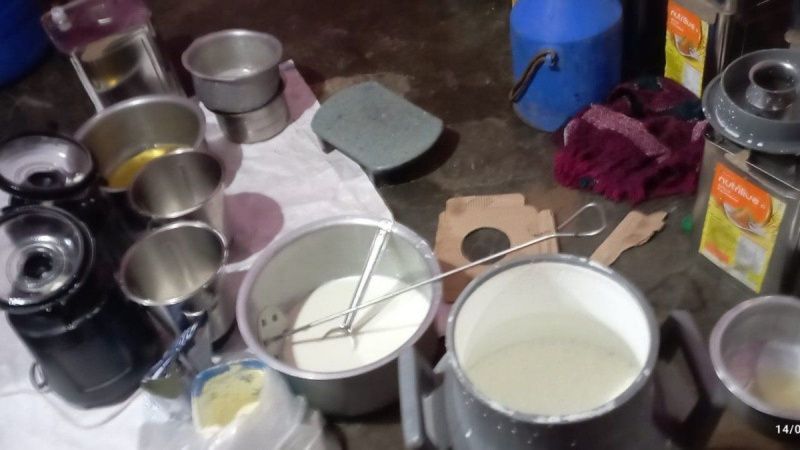
The Maharashtra Food and Drug Administration (FDA), operating in coordination with local police crime branches, has dismantled a sophisticated synthetic milk manufacturing and distribution syndicate across western India, arresting 25 individuals. The coordinated enforcement operation originated following targeted intelligence raids in Manchar within Pune district, where authorities intercepted Navkar Distributors and affiliated staging facilities storing vast quantities of dairy derivatives, edible oils, and non-food chemical additives. Extending inspections across Pune, Ahilyanagar, Solapur, Jalna, and Thane, regulatory teams seized processing inventory and equipment valued at over Rs 11.48 crore while confiscating tens of thousands of liters of chemically engineered liquid milk. The investigation has escalated into a comprehensive supply-chain audit examining the illicit movement of raw materials from wholesale chemical and ingredient distributors to village collection booths, chilling centers, and regional private processing dairies.
From a dairy chemistry and food processing standpoint, the methods uncovered by forensic investigators reveal a calculated exploitation of routine milk quality benchmarks. Interrogations and chemical analyses confirmed that operators formulated synthetic milk by blending skimmed milk powder (SMP) to artificially elevate solids-not-fat (SNF) metrics, adding bulk whey powder and dairy permeate to register nominal protein readings, and introducing cheap refined edible oils to mimic natural butterfat percentages. To bind these disparate water and oil phases into a stable emulsion that mimics the appearance, mouthfeel, and density of natural cow or buffalo milk, the syndicate incorporated commercial detergents alongside industrial-grade emulsifiers. Comprehensive testing conducted by the State Food Laboratory in Mumbai confirmed the presence of detergents and detected Alphox-200 Ethoxylate—chemically classified as Nonylphenol Ethoxylate, a hazardous industrial surfactant commonly utilized in commercial textiles and industrial cleaners—in both retail milk samples and raw chemical blends, prompting authorities to declare the seized batches completely unsafe for human consumption.
The scale of the illicit network highlights structural vulnerabilities in India’s regional milk procurement corridors, where high festive consumption and seasonal raw milk deficits incentivize price arbitrage. While organized cooperative dairies and established corporate processors enforce strict milk analyzer screenings at automated collection centers, informal milk collection hubs and unorganized third-party aggregators often rely on basic lactometer and Gerber fat tests that only evaluate density and crude lipid layers. Unscrupulous middlemen capitalize on these technological limitations by tailoring chemical formulations to pass basic density and fat thresholds while undercutting legitimate procurement prices. The presence of adulterated batches in the supply chain threatens public health through prolonged consumer exposure to gastrointestinal toxins and carcinogenic surfactants, while distorting open-market price discovery for genuine fluid milk.
From an enterprise finance and corporate risk perspective, widespread adulteration scandals impose heavy indirect costs and reputational liabilities on the formal dairy industry. When state enforcement agencies seize tainted milk originating from private collection routes, consumer scrutiny immediately extends across the entire dairy category, dampening retail sales of packaged fluid milk and traditional fermented products. For certified corporate processors and cooperative federations, combating supply chain contamination requires heavy capital expenditures on advanced diagnostic infrastructure, such as Fourier Transform Infrared (FTIR) milk analyzers and automated adulterant detection strips at rural intake docks. Furthermore, processing facilities risk severe legal sanctions, operational license suspensions, and loss of institutional export accreditations if unverified collection routes inadvertently introduce chemically contaminated milk into commercial silos.
At the primary production level, the proliferation of synthetic milk directly undermines the economic viability of legitimate smallholder dairy farming families. Honest dairy farmers in Maharashtra face elevated operational costs driven by cattle feed inflation, veterinary care, and fodder scarcity, requiring fair farmgate prices to sustain herd management. The illegal influx of synthetic milk creates artificial market surpluses that suppress farmgate milk procurement prices, eroding producer income and discouraging investment in clean milk production and animal welfare. Industry leaders are urging state authorities to maintain strict supply-chain traceability, enforce non-bailable criminal penalties under food safety statutes, and mandate digital telemetry at every rural chilling point. Restoring consumer trust and ensuring fair returns for dairy farmers will depend on eradicating illicit chemical compounding from India’s organized milk supply.
Source: News18
You can now read the most important #news on #eDairyNews #Whatsapp channels!!!
🇮🇳 eDairy News ÍNDIA: https://whatsapp.com/channel/0029VaPidCcGpLHImBQk6x1F