


State cabinet clears an eight-rupee retail increase for Nandini milk, lifting blue-packet toned milk to fifty-four rupees per liter pending election clearance.
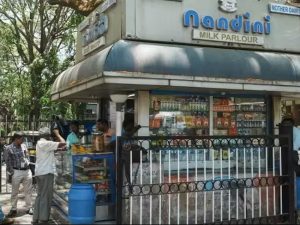
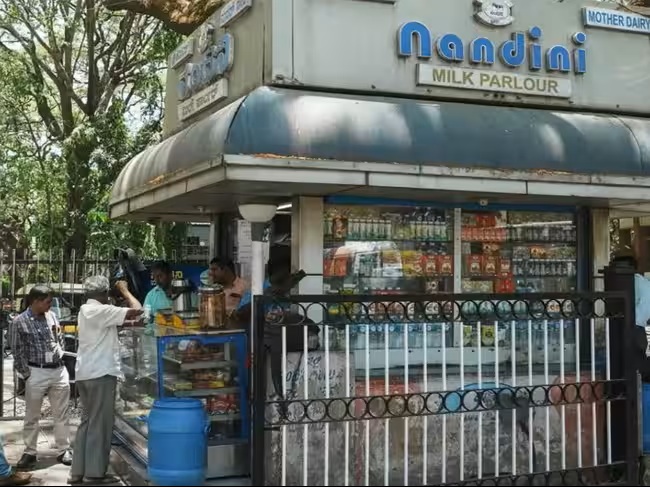
The Karnataka state cabinet has formally approved an upward revision of up to Rs 8 per liter for packaged Nandini milk, positioning its flagship blue-packet toned milk to retail at Rs 54 per liter, up from the prevailing Rs 46 benchmark. While state ministers arrived at a unanimous consensus during executive proceedings, formal public notification has been deferred pending statutory clearance from the Election Commission of India due to the Model Code of Conduct in force for upcoming Legislative Council elections. The cabinet has authorized Chief Minister D.K. Shivakumar to determine the final administrative rollout, with executive leadership targeting November 1 as the effective date of implementation. If cleared by electoral regulators, this decision will mark the fifth price revision executed by the state since November 2022, following cumulative adjustments of Rs 3 in late 2022, Rs 3 in mid-2023, Rs 2 in mid-2024, and Rs 4 in March 2025.
From an industrial processing and operational standpoint, the tariff increase directly addresses escalating cost pressures across the Karnataka Milk Federation’s (KMF) extensive cooperative processing network. KMF’s 16 affiliated district milk unions operate automated dairy complexes, bulk milk chilling centers, and multi-tier logistics routes handling over nine million liters of raw milk daily. Over recent quarters, district unions have reported acute margin compression driven by rising commercial electricity tariffs, elevated diesel haulage expenses, veterinary medical supplies, and significant price increases in food-grade plastic packaging film. Under the approved pricing framework, Rs 2 per liter of the Rs 8 increase will be retained directly by district milk unions. This targeted allocation provides manufacturing facilities with dedicated cash flow to maintain strict cold-chain compliance, service automated packaging lines, and manage seasonal inventory balancing without accumulating operational deficits.
The retail adjustment unfolds against substantial regional procurement disparities that have placed Karnataka’s dairy sector at a competitive disadvantage against neighboring southern states. Prior to the cabinet decision, KMF’s baseline procurement rate for toned milk stood at roughly Rs 35 per liter, lagging significantly behind farmgate rates in Andhra Pradesh (Rs 41.5 per liter), Maharashtra (Rs 41 per liter), Kerala (Rs 41.8 per liter), and Tamil Nadu (Rs 42.2 per liter). This pricing gulf created persistent risks of raw milk diversion toward private processors and interstate buyers offering higher spot realization. Concurrently, national dairy powerhouses Amul and Mother Dairy enacted retail price increases of Rs 2 per liter earlier in the year to offset generalized food inflation. While raising Nandini’s price to Rs 54 per liter narrows the retail affordability gap, commercial analysts note that the revision is necessary to preserve KMF’s procurement volumes against aggressive competition across state borders.
From an enterprise finance and cooperative balance sheet perspective, the structured distribution of the price hike shields both primary producers and processing unions from balance sheet distress. By channeling Rs 6 of the Rs 8 hike directly to milk producers, the state government ensures that 75 percent of the gross consumer price adjustment flows straight to rural bank accounts through automated direct-benefit transfers. Meanwhile, earmarking Rs 2 per liter for district unions injects critical working capital into midstream operations, reducing cooperative dependence on ad-hoc state fiscal bailouts or high-interest short-term commercial credit. Strengthening union reserves enhances debt-service coverage ratios across capital-intensive asset bases, allowing processing units to self-fund maintenance capital expenditures across chilling units and powder plants while maintaining prompt weekly payment cycles to primary village cooperative societies.
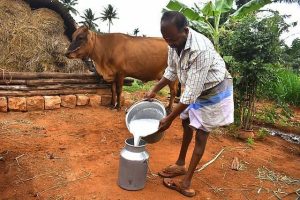
At the farmgate level, the approved increase delivers vital economic relief to hundreds of thousands of smallholder dairy producers battling severe agro-climatic stress. Widespread drought conditions across Karnataka have triggered acute fodder shortages and extensive crop failures, forcing cattle rearers to purchase expensive commercial dry roughage and concentrated cattle feed to sustain basic herd nutrition. Escalating feed, mineral, and veterinary expenses have severely eroded operating margins, pushing marginal dairy farmers toward distress herd liquidations. Delivering an immediate Rs 6 per liter boost to farmgate milk checks restores operational parity, incentivizing producers to maintain high-producing crossbred herds and protect state milk collection volumes. Moving into the final quarter of 2026, the price adjustment establishes a more viable economic equilibrium across Karnataka’s organized dairy value chain, safeguarding producer livelihoods while securing long-term urban supply continuity.
Source: The Economic Times
You can now read the most important #news on #eDairyNews #Whatsapp channels!!!
🇮🇳 eDairy News ÍNDIA: https://whatsapp.com/channel/0029VaPidCcGpLHImBQk6x1F