



The Karnataka High Court refuses to stay a criminal investigation against a doctor who claimed a popular flavored milk product was toxic without scientific proof.
The legal and marketing architecture surrounding corporate dairy brand equity in South Asia has faced a critical judicial test following a major High Court ruling. The Karnataka High Court has officially declined to stay a criminal police investigation against a Bengaluru-based dermatologist, Dr. Sharanya Padma, who is accused of spreading damaging misinformation about premium local dairy lines. The ongoing legal battle stems from a formal complaint lodged by the state-backed Karnataka Milk Federation (KMF), which processes and distributes the region’s prominent “Nandini” brand products, following a series of viral short-form videos uploaded by the physician.
In her controversial Instagram reels, the medical professional alleged that certain popular Nandini products, specifically its strawberry-flavored milk beverage, were hazardous, toxic, and structurally “spurious.” According to the KMF’s official complaint, these unverified digital uploads falsely accused the pasteurized beverage of containing unsafe artificial compounds and preservatives, directly causing unnecessary public alarm among urban consumer networks. Following the federation’s legal action, local Malleswaram police registered a First Information Report (FIR) under Section 353(1)(b) of the Bharatiya Nyaya Sanhita (BNS) for publishing statements conducive to public mischief.
During the high-profile court hearing, the petitioner’s legal counsel attempted to mitigate the criminal charges by arguing that the doctor’s critical commentary was strictly isolated to the strawberry flavor variants rather than an attack on Nandini’s baseline fluid milk supply. The defense team also highlighted that the doctor had subsequently issued a formal public apology on social media for the widespread digital uproar. However, these arguments failed to sway the judiciary, as the court prioritized the severe commercial and economic risks associated with targeting essential food processing chains without empirical evidence.
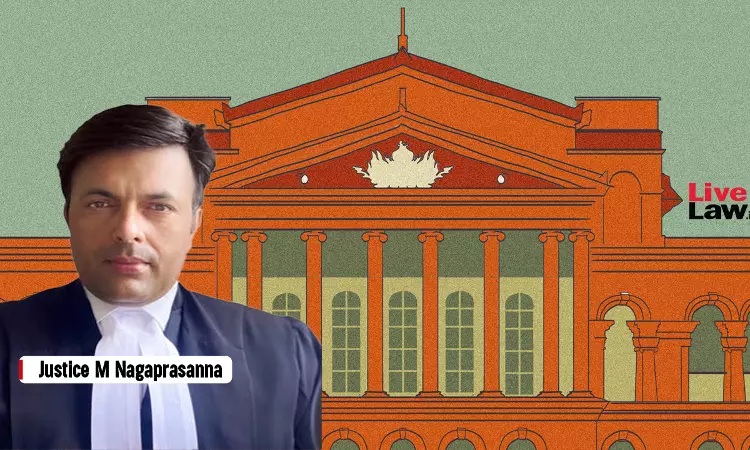
Justice M. Nagaprasanna issued a series of sharp oral reprimands regarding the reckless deployment of digital platforms to undermine consumer confidence in established agricultural networks. The bench repeatedly challenged the doctor’s underlying authority, asking if she possessed accredited laboratory certifications or had communicated any formal scientific testing data to government bodies before publishing the inflammatory content. The judge firmly stated that if a consumer dislikes a particular flavored product, they should simply refrain from drinking it, warning that casually creating widespread panic “at the drop of a hat” creates severe social disruptions that social media platforms were never designed to facilitate.
Ultimately, the High Court stood firm against the petitioner, ruling that the police probe must proceed unimpeded while issuing official notices to the State and KMF directors. For international dairy marketing executives, cooperative managers, and trade analysts, this milestone Indian precedent underscores a rising global zero-tolerance policy against unverified digital defamation targeting pasteurized milk supplies. The case signals a strong legal defense of commercial dairy brands, proving that courts will fiercely protect the reputational value of the formal milk supply chain from unsubstantiated online viral trends.
Source: LiveLaw
You can now read the most important #news on #eDairyNews #Whatsapp channels!!!
eDairy News ÍNDIA: https://whatsapp.com/channel/0029VaPidCcGpLHImBQk6x1F