



Urban cooperative banking federation petitions Indian government to lift rigid lending restrictions on dairy plants and processing infrastructure.
The regulatory lending matrix governing South Asia’s prominent agricultural credit networks faces a major structural overhaul as cooperative financial institutions push for expanded asset deployment rights. The Maharashtra Urban Cooperative Banks Federation has formally urged the Central Government of India to permit urban cooperative banks (UCBs) to extend commercial credit lines to vital primary production installations. The sweeping request specifically targets the lifting of existing deployment barriers, allowing banks to legally finance dairy institutions, sugar factories, spinning mills, and regional irrigation bodies to revitalize rural asset portfolios.
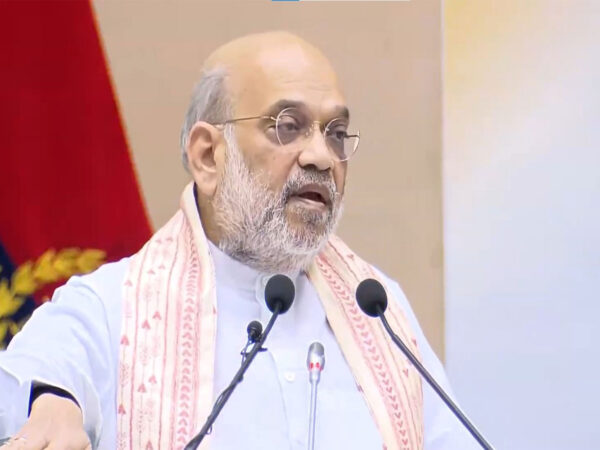
This major agribusiness credit demand was placed directly before India’s Union Home and Cooperation Minister, Amit Shah, during a high-profile delegation review meeting. Representing the banking federation, Nipun Kore stated that empowering urban cooperative banks to directly fund high-capacity processing nodes like dairy plants would effectively resolve long-standing liquidity deficits across the rural cooperative grid. By opening up these new alternative capital pipelines, processing cooperatives and independent manufacturing plants can widen their access to structured institutional credit to upgrade local storage and pasteurization lines.
Beyond pushing for direct infrastructure funding paths into the regional dairy and sugar sectors, the delegation called for an immediate administrative easing of strict operational guidelines. Bank leaders requested a formal reconsideration of the Reserve Bank of India’s (RBI) current headroom capital requirements, which mandate a steep 20 million rupees (Rs 2 crore) capital allocation per individual branch simply to open new offices. This restrictive macroprudential threshold has historically suppressed geographical expansion for regional lenders attempting to scale their footprints near expanding agricultural zones.
To further reduce immediate financial pressure on bank balance sheets and improve underlying profitability metrics, the federation proposed a systemic reversal of prior provisioning mandates. Specifically, the delegation requested a comprehensive review of the strict provisioning rules enacted following the high-profile corporate merger of PMC Bank with Unity Small Finance Bank. Allowing cooperative lenders to legally unwind these dormant asset buffers would immediately optimize banking liquidity, freeing up vital capital reserves that could be channeled into localized dairy procurement networks and supply chain expansions.
The comprehensive regulatory package concluded with a call to establish a specialized high-level study group tasked with eliminating direct legal contradictions between the federal Banking Regulation Act and state-level Maharashtra Cooperative Societies Acts. Additionally, the group proposed a major supply-side upgrade by doubling the maximum loan ceiling under the Prime Minister’s Employment Generation Programme (PMEGP) from Rs 50 lakh to Rs 1 crore. This capital cap adjustment aims to drastically lower entry barriers for emerging processing entrepreneurs and expand the commercial volume of the wider regional milkshed.
Source: ChiniMandi
You can now read the most important #news on #eDairyNews #Whatsapp channels!!!
eDairy News ÍNDIA: https://whatsapp.com/channel/0029VaPidCcGpLHImBQk6x1F