


Farmer unions sound the “danger bell” over New Delhi talks, warning heavily subsidized American dairy and poultry imports could decimate rural livelihoods.
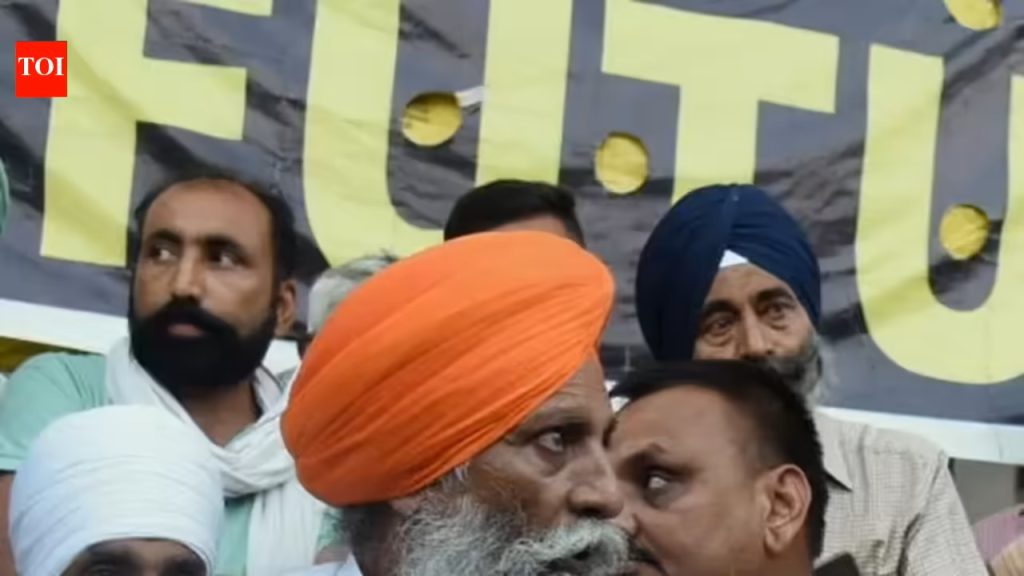
The geopolitical and commercial architecture of South Asia’s primary food sectors is facing intense internal friction as negotiations for a comprehensive India-US trade agreement enter their final stages. Bharatiya Kisan Union (Chaduni) national president Gurnam Singh Charuni has publicly raised serious warnings over the potential fallout of the bilateral pact, characterizing the ongoing talks as a major threat to domestic agricultural security. The long-running negotiations, which originally commenced in February 2025, are reportedly nearing a critical conclusion, creating immense anxiety across regional smallholder networks and livestock production hubs.
The primary source of operational alarm centers on high-level ministerial meetings scheduled in New Delhi with United States Trade Representative Jamieson Greer. Agricultural advocacy leaders express deep concern that Indian negotiators might yield to external pressure and open the country’s highly protected domestic markets to an influx of American commodities. Specifically, farmer unions argue that reducing or completely eliminating import duties on key products would leave local producers exceptionally vulnerable to direct, uneven competition from massive, heavily subsidized Western agricultural corporations.
Beyond general cropping sectors, the regional dairy, poultry, and livestock complexes are bracing for severe commercial disruptions if current border protections are diluted. Unlike the highly mechanized, large-scale industrial operations that dominate the United States heartland, India’s dairy sector relies on an intricate matrix of millions of smallholders and independent family farms. The introduction of cheap, cross-border dairy products and genetically modified (GM) agricultural lines could systematically depress local farmgate values, rapidly driving down rural household incomes and compounding economic distress across major farming zones.
The ongoing trade friction is also placing a spotlight on the structural survival of India’s foundational Minimum Support Price (MSP) procurement system. Critics of the proposed deal allege that external entities are leveraging international forums, including the World Trade Organisation (WTO), to challenge and dismantle the country’s public storage and price-stabilization frameworks. Any compromise or scaling back of the centralized wheat, paddy, and edible oil procurement operations would disproportionately harm millions of vulnerable primary producers, particularly across the high-yielding agricultural zones of Punjab and Haryana.
In response to these perceived threats to national food sovereignty, agricultural organizations are mobilizing a coordinated nationwide protest campaign. Demanding complete executive transparency, union leaders have called for peaceful public demonstrations to demand that the central government make all confidential trade proposals public before signing binding agreements. For global dairy analysts and trade policymakers, this mounting resistance underscores the deep political sensitivities surrounding market access in developing milksheds, where balancing macro-level trade relations can never be separated from the socio-economic survival of the farmgate.
Source: The Times of India
You can now read the most important #news on #eDairyNews #Whatsapp channels!!!
eDairy News ÍNDIA: https://whatsapp.com/channel/0029VaPidCcGpLHImBQk6x1F