


FDA enforces mass infrastructure audits and license bans after a severe food poisoning outbreak linked to contaminated mawa sweets.
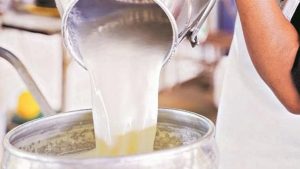
The regional regulatory framework governing India’s urban milksheds is executing an aggressive compliance crackdown following a high-profile biosecurity failure. The Food and Drug Administration (FDA) in Pune has launched an emergency food safety mobilization targeting dairy processing plants and localized distributors across the district. The immediate catalyst for the multi-agency sweep was a severe food poisoning incident in the Wadgaon Sheri neighborhood, which resulted in the emergency hospitalization of a 13-year-old child after he consumed contaminated pedhas—a highly popular milk-solid confection.
In a direct administrative response to the outbreak, senior FDA officials executed a provisional shutdown order on the primary manufacturing plant implicated in the contamination chain. Regulatory inspectors formally suspended the processing license of the offending Wadgaon Sheri dairy facility, forcing an immediate halt to all commercial production lines pending a comprehensive forensic analysis. Simultaneously, specialized food safety officers collected raw material composites and finished product samples from the location, dispatching them to government laboratories for microbiological screening and adulteration tracking.
Agricultural field experts and veterinary scientists emphasize that fluid milk and derived fresh dairy components represent highly perishable biological substrates that are exceptionally vulnerable to rapid pathogenic overgrowth. Maintaining structural integrity across the localized cold chain remains the paramount defense mechanism to prevent bacterial proliferation, especially during high-temperature summer production cycles. Any microeconomic disruption or temperature abuse during rural procurement, transit, or retail cold storage severely compounds chemical spoilage risks, threatening downstream brand equity and public health security.
To institutionalize long-term risk mitigation, Joint Commissioner of Food for FDA Pune, Digambar Bhogawade, announced the deployment of dedicated task forces to execute unannounced processing line audits. Inspectors are systematically evaluating handling protocols and climate-controlled storage infrastructure for an array of high-risk dairy commodities, including paneer, curd, cream, butter, lassi, shrikhand, and khoya (mawa). The intensive regulatory operation is designed to roots out fraudulent adulteration tactics while holding operators to strict sanitary baselines for raw milk reception.
For the international dairy community, supply chain logistics directors, and cooperative risk managers, Pune’s emergency enforcement drive highlights the acute operational vulnerabilities facing processing networks within emerging urban markets. As consumer segments demand transparent hygiene verification and premium quality assurances at retail, processing entities must invest heavily in verifiable cold chain tracking hardware. Ultimately, this public safety crisis demonstrates that sustaining stable milk procurement volumes and protecting commercial asset values depends entirely on enforcing absolute biosecurity compliance from farmgate to consumer.
Source: The Times of India
You can now read the most important #news on #eDairyNews #Whatsapp channels!!!
eDairy News ÍNDIA: https://whatsapp.com/channel/0029VaPidCcGpLHImBQk6x1F