


A strategic alliance transforms urban cow dung into biogas and bio-fertilizer, shielding India’s iconic river ecosystem from intensive organic pollution.
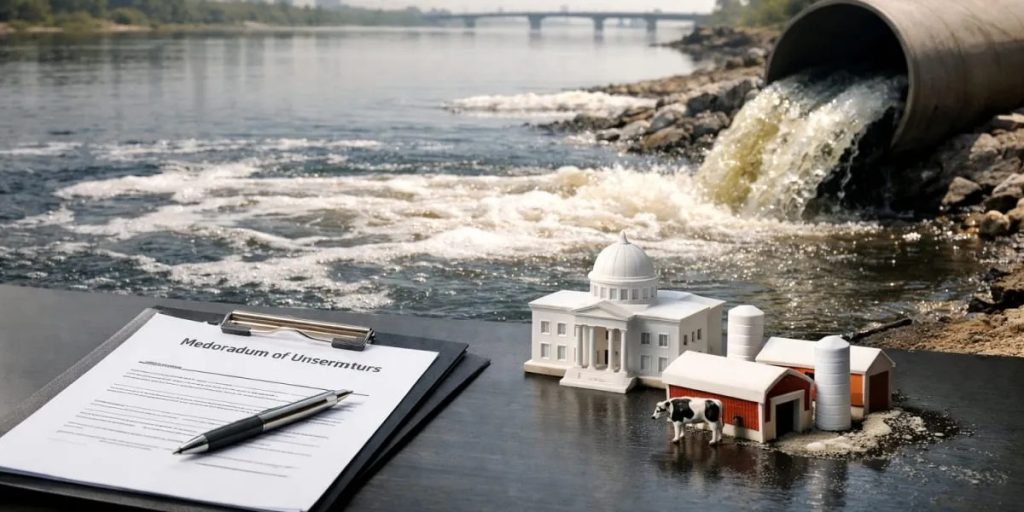
The environmental and structural management of urban livestock waste in India is undergoing a major institutional overhaul to mitigate severe river pollution. The National Dairy Development Board (NDDB) has formalized a cooperative partnership with the Municipal Corporation of Delhi (MCD) through a comprehensive Memorandum of Understanding (MoU). Announced during a high-level review meeting chaired by Union Home Minister Amit Shah, the green initiative is engineered to prevent untreated effluent and organic material generated by the city’s intensive dairy colonies from entering the fragile Yamuna River basin.
At the core of the newly established eco-centric logistics framework is the strategic redirection of primary agricultural waste streams before they can breach public drainage lines. Under the specialized NDDB operational model, substantial daily volumes of cow dung generated across commercial dairies and regional gaushalas (cow shelters) will be collected and transported directly to dedicated processing centers. This systematic farmgate intervention aims to isolate raw organic loads from the municipal storm and sewer networks, turning a chronic urban sanitation hazard into a controlled industrial input.
The collaborative environmental strategy relies heavily on waste valorization and circular economy principles to achieve long-term commercial sustainability. Rather than allowing the livestock byproduct to choke regional waterways, the processing network will convert the captured manure into compressed natural gas (CNG), green biogas, and high-quality organic fertilizers. By establishing an integrated, high-capacity value chain for agricultural recycling, state planners intend to satisfy regional renewable energy targets while simultaneously providing local crop farmers with sustainable soil nutrients.
To ensure the technical efficacy of the rejuvenation programme, union officials have mandated a strict regulatory monitoring framework for all regional water channels. Authorities are deploying continuous testing protocols across all feeding drains to closely track key pollution indicators, specifically focusing on Biological Oxygen Demand (BOD), Chemical Oxygen Demand (COD), and Total Suspended Solids (TSS). Furthermore, this dairy waste management strategy is being integrated with broader regional infrastructure goals, alongside extensive desilting operations that have successfully cleared 97 percent of a targeted 28.57 lakh metric tonnes of river basin silt.
For international dairy economists, cooperative directors, and environmental compliance managers, Delhi’s massive public-sector intervention illustrates how intensive urban milksheds can preserve their social license to operate amid rising environmental scrutiny. By pairing legislative oversight with advanced waste-to-energy technology, the initiative highlights a scalable blueprint for managing dense, smallholder cattle clusters within expanding metropolitan boundaries. Moving forward, constructing specialized dairy waste treatment plants with future capacity requirements in mind will remain essential to safeguard urban river health without restricting local milk procurement volumes.
Source: Construction World
You can now read the most important #news on #eDairyNews #Whatsapp channels!!!
eDairy News ÍNDIA: https://whatsapp.com/channel/0029VaPidCcGpLHImBQk6x1F