



Growing Yelahanka milk safety alerts trigger cooperative notices as unregulated hotel food waste fed to dairy cattle sparks contamination risks.
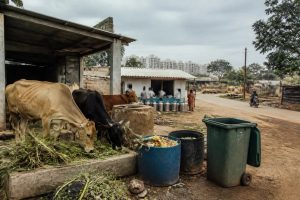
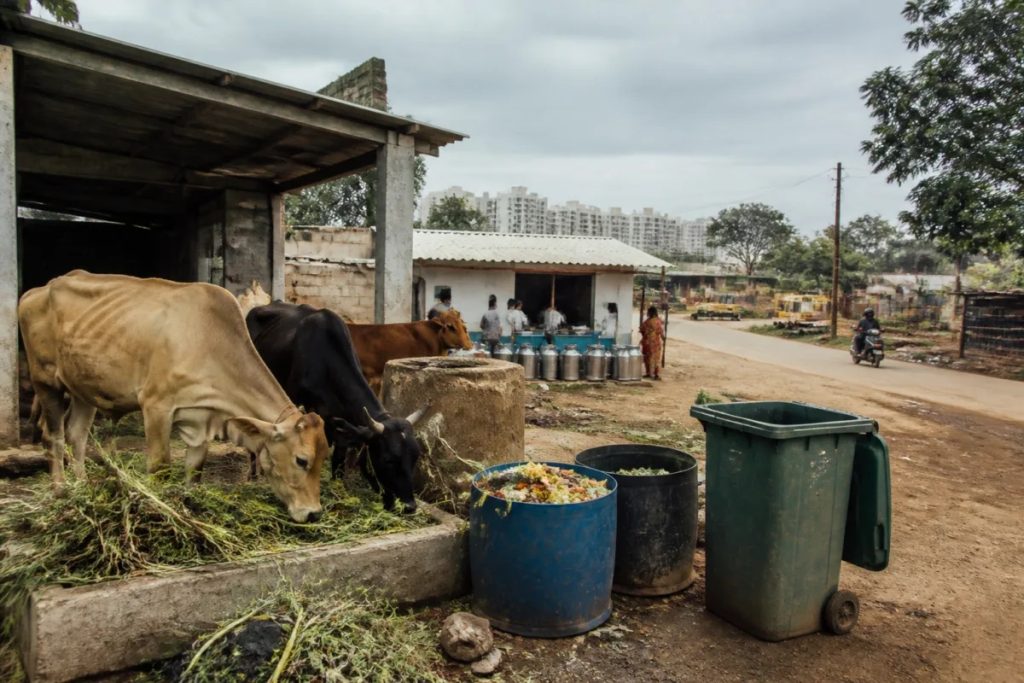
A heightened milk safety alert has emerged across peri-urban dairy belts north of Bengaluru following allegations that commercial cattle owners are feeding discarded hotel food waste to milking cows. Concerns raised by local residents and primary cooperative representatives around Yelahanka prompted the Bengaluru Cooperative Milk Union to issue a formal regulatory notice to an affiliated village milk producers’ society suspected of accepting non-compliant supplies. Industry officials confirmed that while preliminary administrative notices have been served, exhaustive laboratory testing of regional milk and cattle feed samples remains pending to determine whether quantifiable biochemical or food-safety violations occurred. Representatives from grassroots dairy societies, including the Koluvarayanahalli Milk Producers’ Cooperative Society, cautioned that the practice of hauling catering waste from urban kitchens has allegedly persisted for roughly a year. The unfolding controversy has intensified calls for immediate intervention by municipal food safety commissioners and regional police authorities to intercept non-standard feed logistics and safeguard the integrity of fluid milk entering metropolitan processing streams.
From an animal nutrition and biochemical safety perspective, feeding unsegregated commercial catering residuals to ruminants poses severe clinical risks to bovine metabolism and consumer health. Commercial hotel leftovers frequently contain high concentrations of rancid cooking oils, pungent culinary spices, decomposed organic matter, and sharp physical contaminants such as plastic packaging, toothpicks, and foil wrappers. Ruminant digestive physiology requires carefully balanced structural roughage and fermentable carbohydrates to sustain stable microbial populations; overloading dairy cows with cooked, lipid-heavy food waste rapidly induces acute ruminal acidosis and systemic metabolic toxicity. Furthermore, microbial contamination from spoiled food waste can harbor dangerous pathogens, including Salmonella, Clostridium, and mycotoxin-producing molds that compromise animal liver function and pass undesirable chemical residues into fluid milk. Maintaining rigorous inspection protocols across village-level bulk milk chilling centers is therefore critical to preventing adulterated raw milk deliveries from contaminating large-scale processing runs.
The underlying commercial driver behind this illicit feeding practice stems from the acute cost inflation affecting conventional dairy cattle feeds across southern India. Severe regional forage deficits and escalating price quotations for commercial concentrate pellets, maize, and de-oiled rice bran have squeezed the operating margins of peri-urban milk producers. To cut daily feed expenditure, some livestock owners have turned to bulk kitchen waste from metropolitan hotels and restaurants as a cheap, energy-dense alternative to commercial roughage and compound feeds. A significant operational vulnerability exists within the cooperative collection network, where farmers turned away by one village society can easily divert unchilled cans to neighboring collection centers that lack stringent intake audits. This lack of inter-society traceability allows non-compliant milk volumes to enter cooperative pooling systems, exposing urban consumers to potential food safety hazards while frustrating compliant dairy farmers who adhere to standardized feeding regimens.
From a cooperative finance and corporate balance sheet perspective, food safety lapses introduce catastrophic financial and reputational liabilities for organized dairy federations. Commercial dairy brands, such as the regional Nandini label marketed across Karnataka, depend entirely on consumer trust in product purity, hygiene, and chemical safety to command retail market share. Should formal laboratory assays detect chemical contaminants or bacterial toxins linked to catering waste, the resulting public fallout could trigger immediate product recalls, inventory write-downs, and severe regulatory sanctions from national food safety regulators. To eliminate these enterprise risks, cooperative unions are allocating additional capital expenditure toward advanced milk analysis equipment, automated somatic cell counters, and mobile testing laboratories capable of conducting random village-level audits. Expanding cooperative working capital toward subsidized cattle feed distribution schemes is equally critical to reducing the economic temptation for distressed farmers to seek informal, hazardous feed substitutes.
At the farmgate procurement level, resolving feed safety breaches is vital to preserving transparent supplier relations and protecting the livelihoods of bona fide dairy producers. Thousands of smallholder dairy households in the Bengaluru rural milkshed rely on uninterrupted daily milk collection schedules and bi-monthly milk check payouts to service livestock acquisition loans and sustain household living standards. Permitting unregulated feed practices to continue risks triggering broad procurement restrictions that unfairly penalize compliant dairy farmers who invest in balanced rations and clean husbandry. Looking ahead toward 2027, regional dairy governance must combine strict statutory surveillance with enhanced field-level extension services to educate livestock keepers on feed safety regulations. Enforcing strict feed compliance standards and establishing seamless traceability from peri-urban cattle sheds to urban packaging plants remains indispensable to defending public health and anchoring the long-term economic resilience of the Indian dairy industry.
Source: Urban Acres
You can now read the most important #news on #eDairyNews #Whatsapp channels!!!
🇮🇳 eDairy News ÍNDIA: https://whatsapp.com/channel/0029VaPidCcGpLHImBQk6x1F