


State government allocates Rs 57 crore for FY 2026-27 to supply high-yielding crossbred dairy cows to rural women, boosting cooperative procurement and household incomes.
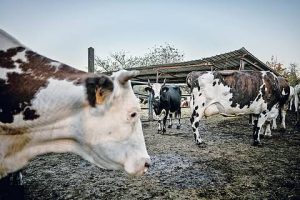
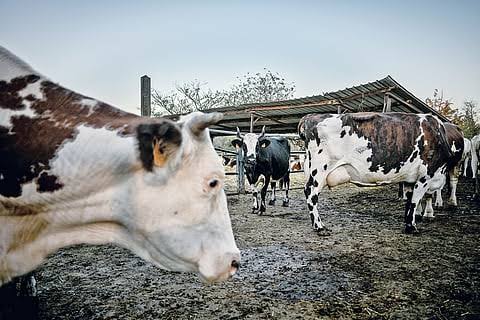
The Government of Tamil Nadu has granted formal administrative sanction for the release of Rs 57 crore for the 2026-27 financial year to implement a welfare scheme distributing high-yielding milch cows free of cost to 10,000 eligible women in rural areas. Following its initial announcement in the revised state budget, the program is designed to deliver productive dairy assets directly to low-income and landless households, creating dependable income streams while expanding the state’s aggregate raw milk output. Under the program guidelines, the state has pegged the unit procurement value of each animal at Rs 57,000, ensuring beneficiaries receive vetted, disease-free stock capable of producing a minimum of eight litres of milk per day.
State animal husbandry officials highlighted that the revived scheme focuses on long-term rural asset generation rather than short-term relief subsidies. Beyond generating daily cash flow through morning and evening milk sales, the distributed crossbred animals are managed under structured veterinary oversight, with each cow projected to calve three to four times across a five-year productive lifecycle. This intergenerational herd growth expands household capital reserves, strengthens domestic nutritional security, and promotes women’s financial autonomy across gram panchayats, giving priority to female-headed households, widows, and marginalized agricultural laborers.
From a dairy farming and livestock management perspective, the rollout incorporates scientific husbandry training and mandatory veterinary follow-up. Beneficiary households will receive technical instruction covering balanced ration formulation, green fodder silage preparation, mastitis prevention, and timely artificial insemination protocols. Providing high-yielding crossbred stock with established yield minimums ensures that smallholder recipients maintain favorable feed-to-milk conversion ratios, mitigating the risk of elevated maintenance expenses eroding household dairy profits.
From a dairy cooperative supply and procurement standpoint, the distribution of 10,000 productive cows provides an immediate injection of raw milk volume into village-level Primary Milk Producers Cooperative Societies (MPCS). The additional daily liquid volume feeds directly into district cooperative milk unions and the state dairy apex federation, Aavin (Tamil Nadu Co-operative Milk Producers’ Federation Limited). Channeling this newly generated milk through cooperative collection centers guarantees transparent automated fat-and-SNF testing and prompt electronic bank payouts for female producers, shielding them from exploitative private middle-tier aggregators.
At the rural development and state economic level, the initiative reinforces Tamil Nadu’s position as a leading milk-producing state while addressing rural poverty and underemployment. By linking decentralized household dairy husbandry directly to organized cooperative cold chains, the program builds rural resilience against agricultural crop volatility. Heading into 2027, the deployment of this Rs 57-crore livestock allocation serves as an effective policy mechanism to stimulate grassroots micro-economies, enhance women’s economic participation, and secure sustainable milk supplies for the state’s processing infrastructure.
Source: Deccan Chronicle / PTI
You can now read the most important #news on #eDairyNews #Whatsapp channels!!!
🇮🇳 eDairy News ÍNDIA: https://whatsapp.com/channel/0029VaPidCcGpLHImBQk6x1F