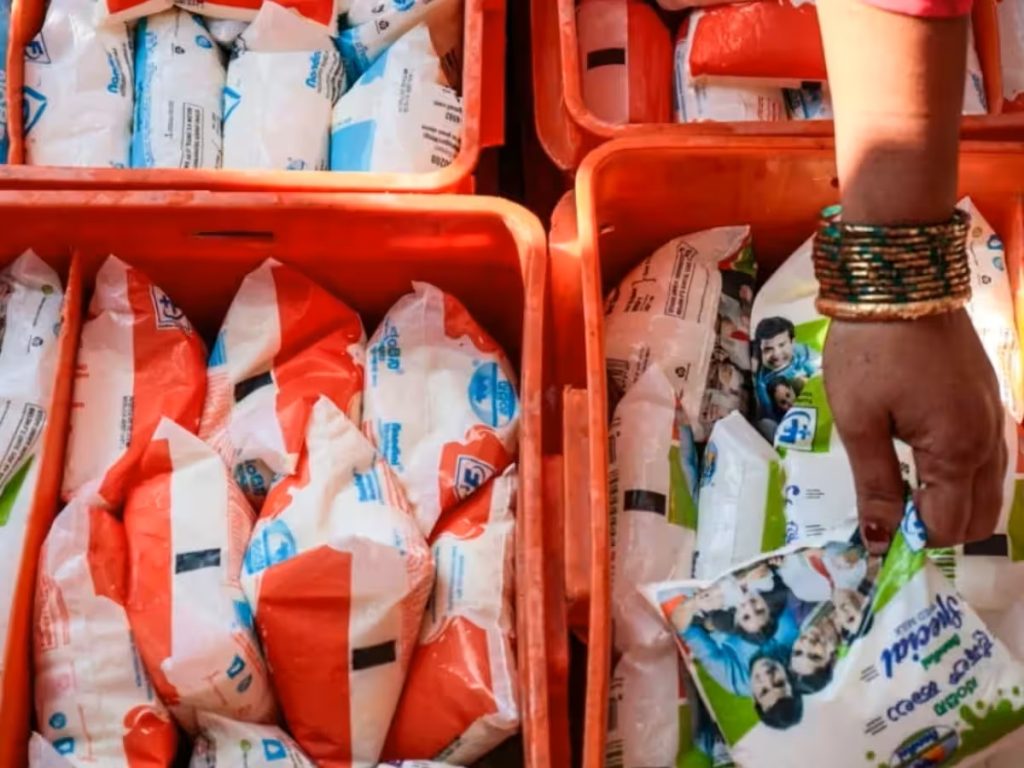



Cumulative retail dairy tariffs across India have climbed by Rs 4 to Rs 8 per litre in FY27 following consecutive May and November revisions, as lean skimmed milk powder buffers, elevated cattle feed costs, and biological lactation cycles prevent traditional winter price relief.
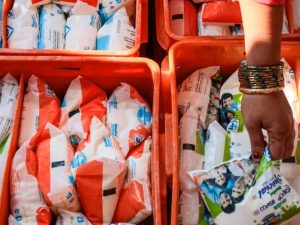
Indian consumers and foodservice operators are confronting sustained retail dairy inflation through the winter of 2026–27, as cumulative liquid milk prices have risen by Rs 4 to Rs 8 per litre across key product variants in financial year 2026–27 (FY27). According to market reporting by The Economic Times on November 18, 2026—citing a sector assessment by CareEdge Ratings—major organized dairy cooperatives and private brands implemented fresh retail increases of Rs 2 to Rs 6 per litre in November 2026 alone, building upon an earlier Rs 2-per-litre upward revision enacted by Amul and Mother Dairy in May 2026. Normally, the October-to-February winter flush season brings cooler ambient temperatures, abundant post-monsoon green fodder, and seasonal buffalo calving peaks that expand farmgate raw milk arrivals and ease retail dairy prices. This season, however, tighter raw milk availability, reduced butterfat content in select procurement zones, and lean domestic skimmed milk powder (SMP) stocks indicate that consumer price relief remains unlikely through the remainder of FY27.
Biological lactation cycles and raw milk component shifts explain why farmgate supply has tightened even during peak winter production months. CareEdge Ratings noted that India’s dairy sector experiences natural biological output fluctuations every three to four years, moderating overall production growth following an expansion to an estimated 256.8 million tonnes in FY26—which had lifted daily per-capita milk availability to 498 grams from 485 grams in FY25. Simultaneously, processors across several major milk sheds have reported lower raw milk butterfat yields per litre, forcing dairies to procure larger volumes of raw liquid milk to manufacture equivalent quantities of cream, white butter, and ghee. With domestic SMP inventories remaining below historical seasonal averages and international powder valuations trading near $3,850 per tonne, organized processors face intense competition to secure raw milk solids at village collection centers.
Escalating upstream feed, fuel, and packaging expenses have compounded raw milk procurement pressures across the entire dairy value chain. Because cattle feed and fodder represent roughly 70 to 75 percent of farm-level milk production expenses, sharp year-on-year price increases in oilseed cakes, soybean meal, rice bran, and maize have forced farmers to demand higher farmgate milk payouts simply to maintain herd nutrition. At the plant and distribution level, higher diesel tariffs, electricity costs, and a surge of roughly 30 percent in low-density polyethylene (LDPE) milk pouch film prices have squeezed processor operating margins. Following November 2026 tariff revisions—which pushed full-cream milk to Rs 76 per litre and toned milk to Rs 62 per litre in major metropolitan markets like Delhi-NCR—average national retail milk realizations have climbed steadily from Rs 59.1 per litre in FY26 to Rs 60.4 per litre in the first half of FY27.
Structural market dynamics between India’s organized and unorganized dairy segments further intensify procurement competition as processing capacity expands. Currently, only 30 to 35 percent of India’s total marketable milk surplus flows through formal cooperative and private dairy channels, where processing plants are operating at approximately 80 percent capacity utilization. Even amid near-term input inflation, organized dairy companies are moving forward with more than Rs 15,000 crore in capital expenditure through FY29 to expand value-added manufacturing lines for curd, paneer, ghee, fermented beverages, and cheese. Industry analysts emphasize that converting these capital investments into projected revenue growth will depend heavily on strengthening village-level chilling networks, veterinary extension, and direct farmer procurement relationships.
Household budget sensitivity and downstream food inflation risks represent growing policy concerns as elevated fluid milk tariffs ripple across derivative dairy products. Because liquid milk serves as the foundational raw material for paneer, curd, khoa, butter, and traditional sweets, sustained fluid price firmness places upward pressure on broader household grocery bills and restaurant input costs during the peak winter wedding and festive calendar.
Looking ahead through March 2027, CareEdge Ratings expects retail milk prices to remain firm—with potential upside risk if fodder inflation persists or SMP buffer stocks tighten further ahead of the lean 2027 summer season. How effectively dairy processors balance farmer procurement incentives with processing and logistics efficiencies will determine market stability across India’s dairy sector in the coming quarters.
Source: The Economic Times
You can now read the most important #news on #eDairyNews #Whatsapp channels!!!
🇮🇳 eDairy News ÍNDIA: https://whatsapp.com/channel/0029VaPidCcGpLHImBQk6x1F