

With local production covering only 15 lakh of 111 lakh litres demanded daily, Delhi’s reliance on regional imports exposes urban markets to synthetic milk and counterfeit dairy fats.
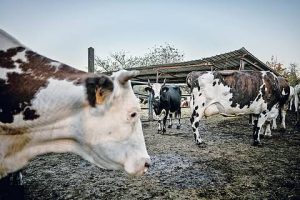
The National Capital Territory of Delhi is facing a severe structural deficit in domestic dairy production that is exacerbating food safety vulnerabilities across its metropolitan supply chains. According to an extensive industry analysis published by Urban Acres, Delhi produces approximately 15 lakh (1.5 million) litres of raw milk per day against an estimated baseline demand of 111 lakh (11.1 million) litres. This massive shortfall forces the metropolis to source more than 80 percent of its fluid milk, traditional milk solids (mawa or khoya), cottage cheese (paneer), and clarified butterfat (ghee) from neighboring states, including Uttar Pradesh, Haryana, Rajasthan, and Punjab. During high-velocity festive cycles and peak wedding seasons, this structural gap widens dramatically, creating an informal grey economy dominated by counterfeit and synthetic dairy products.
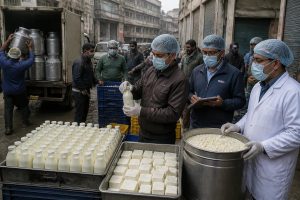
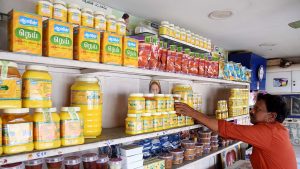
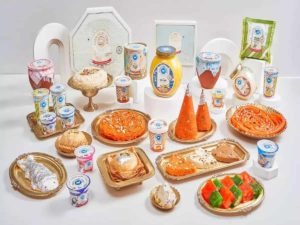
Urban consumption of traditional dairy derivatives in Delhi is vast: daily demand for mawa has reached approximately 12,000 kilograms, while wholesale paneer off-take stands near 15,000 kilograms per day. While organized cooperative giants and corporate processors supply around 25 lakh litres of packaged milk daily—commanding roughly 66 percent of the city’s formal branded retail segment—a significant portion of institutional demand remains unorganized. Sweets manufacturers, commercial bakeries, roadside eateries, catering companies, and banquet halls frequently procure bulk fats and solids through decentralized wholesale mandis, where supply chain visibility is fragmented and testing protocols are inconsistently applied.
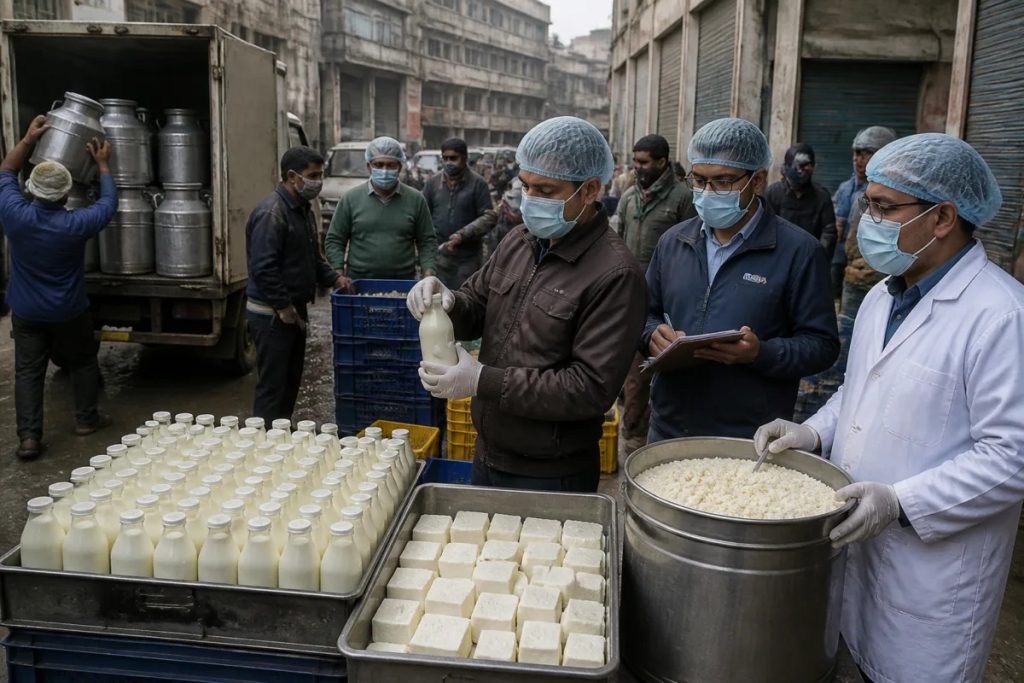
From a dairy technology and food chemistry perspective, the methods employed to synthesize counterfeit milk and concentrated milk solids present severe public health hazards. Adulteration practices documented by food safety authorities range from simple dilution with contaminated water to the deliberate manufacturing of “synthetic milk” using vegetable oils, white pigment colorants, commercial detergents, and urea to artificially elevate protein readings measured as nitrogen content. In value-added solids like paneer and mawa, unscrupulous manufacturers substitute milk fat with low-grade hydrogenated vegetable fats, industrial starches, and chalk or flour to mimic texture and density. In several cases, toxic non-edible oils and chemical thickeners have been detected in place of pure bovine fat.
Enforcement data from municipal and state regulatory agencies illustrates the chronic nature of the crisis. Between late 2025 and late 2026, targeted food safety crackdowns in industrial clusters such as Bawana, Nihal Vihar, Raghubir Nagar, and wholesale trading hubs like Mori Gate and Okhla resulted in the seizure and destruction of thousands of kilograms of spurious dairy products. Seizures included 7,600 litres of counterfeit ghee, over 4,100 kilograms of substandard mawa and paneer, and prohibited industrial compounds. Across India, national food safety surveillance analyzed 33,405 dairy samples over a twelve-month period, identifying 12,780 non-conforming batches and prompting more than 12,000 legal prosecutions against food business operators for regulatory non-compliance.
Looking ahead, the policy and supply chain challenge is set to intensify. Central government projections indicate that Delhi’s aggregate milk demand will climb from 111 lakh litres per day to 173.5 lakh litres per day by 2030, driven by rapid urbanization and rising purchasing power. Because supplying states in the Indo-Gangetic plain face their own expanding internal demand, closing the capital’s dairy deficit will require coordinated interstate food safety architecture. Transitioning from reactive wholesale market raids to digital farmgate batch tracking, expanding formal cooperative procurement hubs, and mandating automated milk analyzers across wholesale aggregation centers are critical steps to eliminate synthetic dairy substitutes and protect consumer health heading into 2027.
Source: Urban Acres
You can now read the most important #news on #eDairyNews #Whatsapp channels!!!
🇮🇳 eDairy News ÍNDIA: https://whatsapp.com/channel/0029VaPidCcGpLHImBQk6x1F