
Under the newly launched ‘Operation Health’ initiative, Gujarat’s Health Department and Food and Drugs Control Administration will require retail vendors and manufacturers to clearly disclose whether frozen treats are made with pure milkfat or vegetable oils.
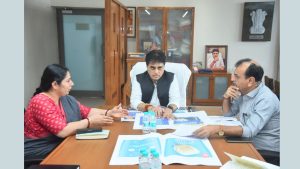
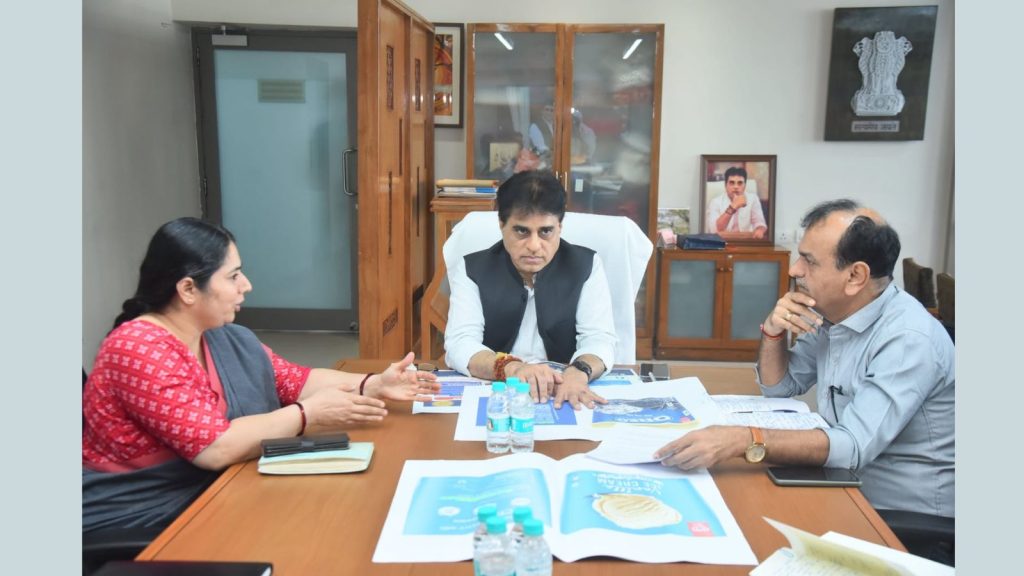
The Government of Gujarat has launched a statewide consumer awareness and retail disclosure campaign titled “Operation Health” to educate citizens on the nutritional and ingredient distinctions between pure dairy ice cream and vegetable-oil-based frozen desserts. Announced on November 18, 2026, by Gujarat Health Minister Praful Pansheriya, the initiative is being executed jointly by the state Health Department and the Food and Drugs Control Administration (FDCA) following high-level policy consultations with senior food safety commissioners. While both ice cream and frozen desserts are legally permitted for sale under Indian food safety regulations, state officials warned that more than 95 percent of consumers remain unaware that frozen desserts are formulated with vegetable oils—predominantly palm oil—and reconstituted milk powder rather than fresh dairy milkfat. By mandating clear point-of-sale signage and transparent manufacturer labeling down to the town level, authorities aim to protect consumer choice and promote authentic dairy consumption across India’s cooperative dairy heartland.
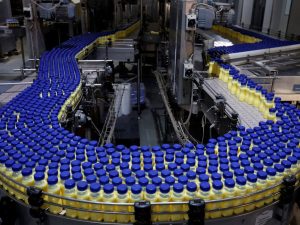
Ingredient composition and food standards law establish a sharp technical boundary between genuine dairy ice cream and commercial frozen desserts. Under Food Safety and Standards Authority of India (FSSAI) regulations, products labeled as “ice cream” must derive their fat content exclusively from pure milkfat, alongside dairy solids-not-fat and approved stabilizers. Conversely, “frozen desserts” replace expensive butterfat with hydrogenated or refined edible vegetable oils blended with skimmed milk powder and emulsifiers. Because modern flavoring, aeration, and freezing techniques allow vegetable-oil formulations to mimic the appearance and mouthfeel of traditional dairy ice cream, unsuspecting shoppers frequently purchase frozen desserts believing they are consuming pure milk-based treats.
Retail disclosure mandates and manufacturer labeling enforcement form the operational core of Operation Health across Gujarat’s urban centers and rural towns. Under the new directive, ice cream parlors, scoop shops, and retail vendors throughout the state must prominently inform customers whether their products are pure milk ice cream or vegetable-oil frozen desserts, displaying clear visual explanations of the difference at the point of purchase. Simultaneously, commercial food manufacturers are required to state their corporate identities unambiguously on packaging and specify whether each item is classified as ice cream or a frozen dessert. FDCA field officers will distribute standardized educational materials to sellers and consumers statewide while urging citizens to verify product declarations before buying.
Broader market integrity efforts across India’s dairy sector connect Gujarat’s frozen dessert campaign to ongoing crackdowns against non-dairy analogues in paneer, cheese, and butter. Minister Pansheriya noted that widespread media coverage and regulatory scrutiny over the past year have significantly raised public awareness regarding analogue paneer and vegetable-fat spreads sold in foodservice channels. Extending similar transparency standards to the rapidly growing frozen treats category protects both public nutrition and legitimate dairy processors—including Gujarat’s massive cooperative dairy network—from unfair price competition by lower-cost vegetable-oil substitutes.
Economic implications for Indian dairy farmers and milk cooperatives are substantial as domestic milkfat demand expands across value-added frozen categories. Because butterfat represents the highest-value component in raw milk procurement, encouraging consumers to choose genuine milkfat ice cream over palm-oil alternatives directly supports farmgate milk realizations for millions of smallholder dairy producers. Clear product differentiation ensures that processors investing in fresh cream and pure milk solids are not undercut by opaque labeling practices.
Looking ahead into 2027, strict enforcement of point-of-sale disclosures under Operation Health will set a regulatory benchmark that other Indian states may adopt to safeguard dairy transparency. As FDCA teams roll out town-level inspections and consumer outreach across Gujarat, clearer labeling is expected to drive stronger retail demand for authentic, pure-milk ice cream.
Source: DD News
You can now read the most important #news on #eDairyNews #Whatsapp channels!!!
🇮🇳 eDairy News ÍNDIA: https://whatsapp.com/channel/0029VaPidCcGpLHImBQk6x1F