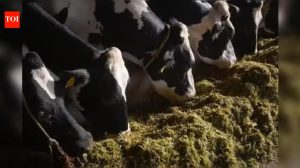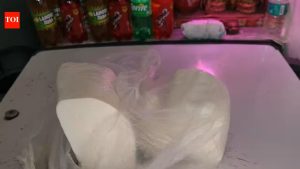


Indian food safety authorities intercept unbranded, unrefrigerated tankers smuggling suspected adulterated milk across the Tamil Nadu-Karnataka border.
The regulatory oversight governing India’s metropolitan fluid milksheds has escalated dramatically following a sweeping enforcement operation along the Karnataka-Tamil Nadu border. The Food Safety and Standards Authority of India (FSSAI) has uncovered and disrupted an extensive, unauthorized distribution network responsible for smuggling unlicensed and suspected adulterated raw milk into the city of Bengaluru. Executed during a coordinated Sunday morning sting, enforcement squads intercepted and audited over 30 commercial milk tankers and logistics vehicles moving through critical cross-border checkpoints.
The targeted administrative intervention was launched after market intelligence specialists identified a suspicious influx of low-cost liquid milk selling far below the mandatory floor prices established by the state-backed Karnataka Milk Federation (KMF). A specialized task force, spearheaded by Viswanath V.R., Assistant Commissioner of FSSAI’s Bengaluru South Division, established rapid physical inspection zones at the Hoskote, Attibele, and Hosur border corridors. The audits quickly revealed that the incoming volumes did not originate from any recognized corporate brand or processing cooperative.
Crucially, field investigators discovered that the independent transporters and intermediate distributors completely lacked the valid FSSAI operational licenses required for downstream commercial food distribution. Furthermore, the high-volume shipments were being hauled from private, unverified dairies in Tamil Nadu inside standard logistics vehicles that completely lacked active refrigeration systems or temperature-controlled insulation. Food safety officials emphasized that moving raw milk over long distances without constant cold-chain parameters creates severe biosecurity risks, leaving the product highly vulnerable to rapid bacterial multiplication.
Due to the unusually low wholesale pricing structure of the intercepted loads, investigators strongly suspect that unauthorized chemical stabilizers, volume-extenders, or preservatives may have been artificially introduced to artificially extend shelf life and mimic proper quality metrics. The FSSAI teams have extracted systematic random samples from the seized tankers and dispatched them to accredited laboratories for comprehensive chemical and microbiological analysis. Preliminary tracking indicates that this cheap, substandard supply was primarily destined for budget tea stalls, bakeries, street vendors, and cost-conscious sweet manufacturers aiming to artificially pad their processing margins.
Following the border breakthrough, the national food authority issued statutory non-compliance notices to multiple regional distributors implicated in managing the unauthorized transport ring. Legal proceedings have been officially initiated against the unregistered operators, while investigators continue to trace the exact primary production origins and local repackaging cells utilizing deceptive, lesser-known retail labels. Ultimately, the multi-checkpoint crackdown underscores a strict, nationwide push to enforce structural transparency across urban dairy procurement chains and protect consumers from the hazards of unregulated informal markets.
Source: The Siasat Daily
You can now read the most important #news on #eDairyNews #Whatsapp channels!!!
eDairy News ÍNDIA: https://whatsapp.com/channel/0029VaPidCcGpLHImBQk6x1F