


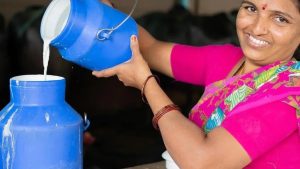
The ‘Ksheera’ project in Karnataka transforms traditional smallholder practices through data-driven livestock and fodder management.
In India’s Vijayapura district, a structural transformation is underway within the smallholder dairy sector, driven by a transition from traditional management methods to precise, science-backed techniques. For generations, regional livestock operations relied heavily on inherited experience, an approach that unwittingly capped aggregate milk yields and inflated overhead costs. However, the recent introduction of specialized training initiatives is dramatically reversing these inefficiencies, enabling local producers to secure unprecedented volume gains while slashing unnecessary expenditure on baseline herd inputs.
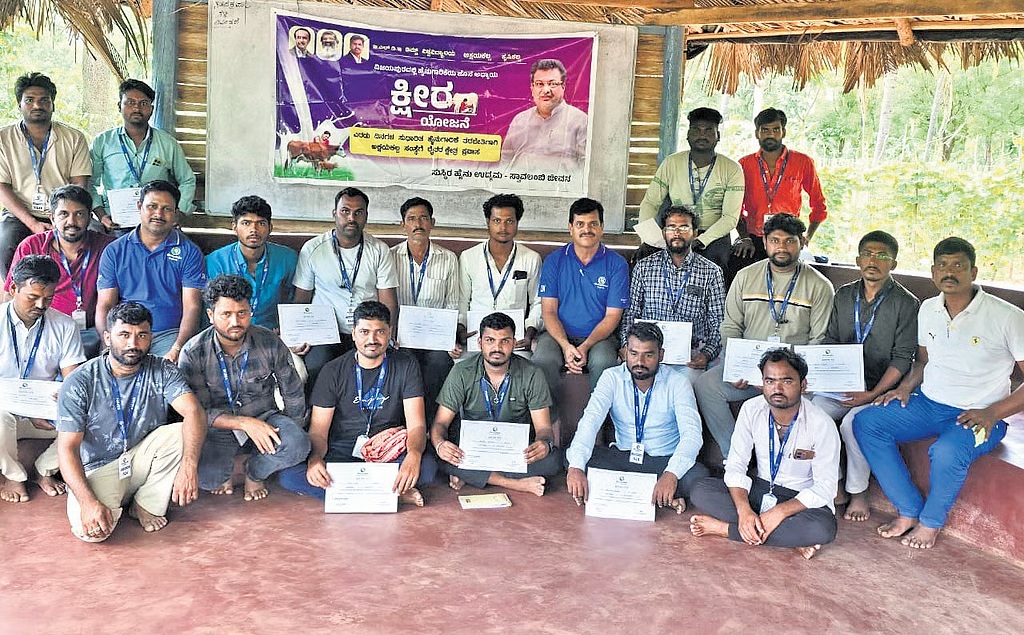
This structural modernization is being methodically driven by the “Ksheera” project, a collaborative rural development initiative launched six months ago in November last year. Formed as a strategic joint venture between the prominent BLDE Educational Institution and the Tumakuru-based Akshayakalpa Foundation—a body celebrated for its institutional focus on sustainable agricultural empowerment—the program is backed by a committed corporate investment of approximately Rs 2.5 crore distributed over a five-year horizon. Initially deployed as a targeted pilot scheme across 10 rural villages, the project’s long-term roadmap aims to bridge regional knowledge gaps by systematically expanding scientific cattle management guidance across the entire district.
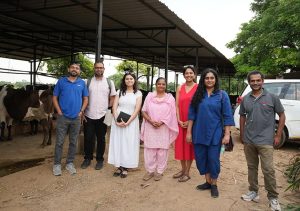
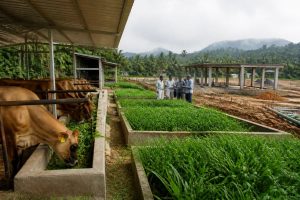
To ensure seamless execution, the initiative established a rigorous technical action plan that included selecting local field staff, conducting localized awareness drives, and executing intensive training exchanges. Trainers and initial cohorts of smallholders were transported directly to Tiptur in the Tumakuru district, where the Akshayakalpa Foundation has spent years refining highly successful, data-driven dairy development models. A major focal point of the curriculum addressed precise nutritional and fodder management strategies, aggressively debunking the widespread, traditional misconception that dumping excessive feed before cattle naturally optimizes milk output. Instead, experts demonstrated that a healthy bovine requires a calculated baseline of roughly 40 kg of balanced fodder per day, drastically curbing structural feed waste.
The practical financial impact of these scientific interventions has proven immediate and highly lucrative for early-adopter smallholders like 35-year-old Parasappa Ganiger from Kumate village. Formerly working as a physical education teacher at a private school, Ganiger officially resigned from his academic post to pursue full-time commercial dairying after witnessing a dramatic 50% surge in his farmgate milk yields alongside optimized fodder expenses. Similarly, fellow dairy producer Darshan Kuchanur from Nidoni village saw daily production across his six-cow herd jump rapidly from 40 liters to nearly 60 liters per day, allowing him to save enough feed to comfortably support an immediate expansion of his current livestock operations.
Driven by these remarkable microeconomic successes, project administrators are moving aggressively to scale the educational framework into adjacent villages across the territory. Beyond immediate yield optimization, the overarching long-term vision of the BLDE and Akshayakalpa alliance centers on reversing the persistent migration of rural youth to heavily congested metropolitan hubs in search of employment. By demonstrating that data-driven livestock management and objective agronomic practices can successfully convert standard smallholder dairies into highly stable, profitable, and socially respectable commercial enterprises, the Ksheera project is crafting a scalable blueprint for modern rural economic resilience.
Source: The New Indian Express
You can now read the most important #news on #eDairyNews #Whatsapp channels!!!
eDairy News ÍNDIA: https://whatsapp.com/channel/0029VaPidCcGpLHImBQk6x1F