


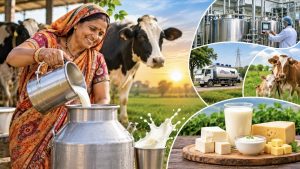
Raised during Trade Meet 2026 alongside the Ahmedabad, Ambala, and Ferozepur railway divisions and the Central Warehousing Corporation, the proposal aims to move fresh milk, Verka dairy products, and produce rapidly across India while cutting logistics costs.
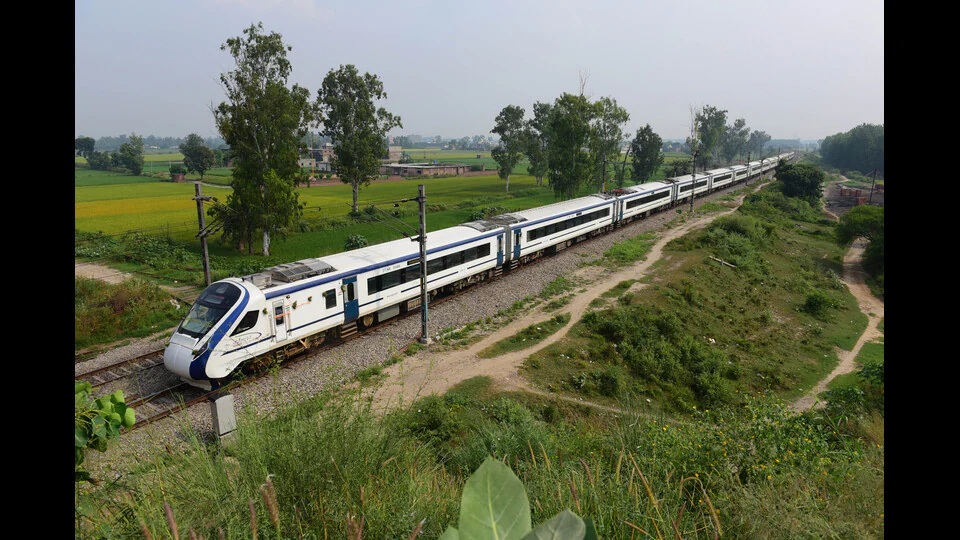
The Punjab government has urged Indian Railways to attach specialized refrigerated wagons to high-speed passenger corridors—including Vande Bharat and Shatabdi Express services—to transport perishable dairy and agricultural produce rapidly to distant consumer markets across India. Reported by Hindustan Times on November 22, 2026 (with follow-up industry coverage across AgriMoon and Dairy Dimension), the proposal emerged during Trade Meet 2026, a logistics conference organized jointly by the Ahmedabad, Ambala, and Ferozepur railway divisions in collaboration with the Central Warehousing Corporation (CWC) to strengthen trade connectivity between Gujarat, Punjab, and Haryana.
Expanding high-speed cold-chain rail capacity addresses a persistent distribution bottleneck for Punjab’s surplus dairy and horticultural output:
-
Wider Reach for Cooperative Dairy Brands: State officials highlighted strong nationwide demand for value-added dairy products produced by Punjab’s state cooperative brand Verka—including traditional chilled specialties such as kheer and rabri alongside ready-to-eat items—where transit times and cold-chain gaps often limit interstate distribution.
-
Funding via the Agricultural Infrastructure Fund: Senior Punjab officials noted that capital support is available under the Union Agriculture Ministry’s Agricultural Infrastructure Fund, urging the state government and Indian Railways to structure joint projects that connect northern production hubs with major metropolitan consumption centers.
Two-Way Freight Economics: Ahmedabad Divisional Railway Manager Ved Prakash emphasized that reducing empty rake movements is essential to keeping rail freight cost-competitive—proposing that trains carrying rice, potatoes, foodgrains, and export containers south from Punjab and Haryana return north loaded with imported timber, salt, fertilizers, industrial goods, and import containers from Gujarat.
For India’s dairy processing sector, reliable temperature-controlled rail transit offers an attractive alternative to long-haul refrigerated trucking, which faces higher fuel expenses, highway congestion, and greater spoilage risk on short-shelf-life dairy items. By pairing rapid, timetabled express rail schedules with refrigerated coaches, cooperatives and private processors could extend shelf life on arrival, reduce post-harvest and post-processing losses, and tap higher-margin retail markets far beyond northern India.
Putting the proposal into practice will require coordinated investment across rolling stock, station-side cold-storage and loading docks, real-time temperature telemetry, and scheduling synchronization between railway divisions and dairy plants. Alongside dedicated wagons sought for Punjab’s potato growers and direct port-to-industry steel scrap rail links for hubs such as Mandi Gobindgarh and Ludhiana, the dairy cold-chain pitch underscores a broader push to modernize India’s agricultural freight network.
If adopted, refrigerated rail attachments on premier express routes could mark an important step in integrating Indian Railways with domestic dairy supply chains—strengthening producer market access and cooperative competitiveness across India in 2027 and beyond.
Source: Hindustan Times
You can now read the most important #news on #eDairyNews #Whatsapp channels!!!
🇮🇳 eDairy News ÍNDIA: https://whatsapp.com/channel/0029VaPidCcGpLHImBQk6x1F