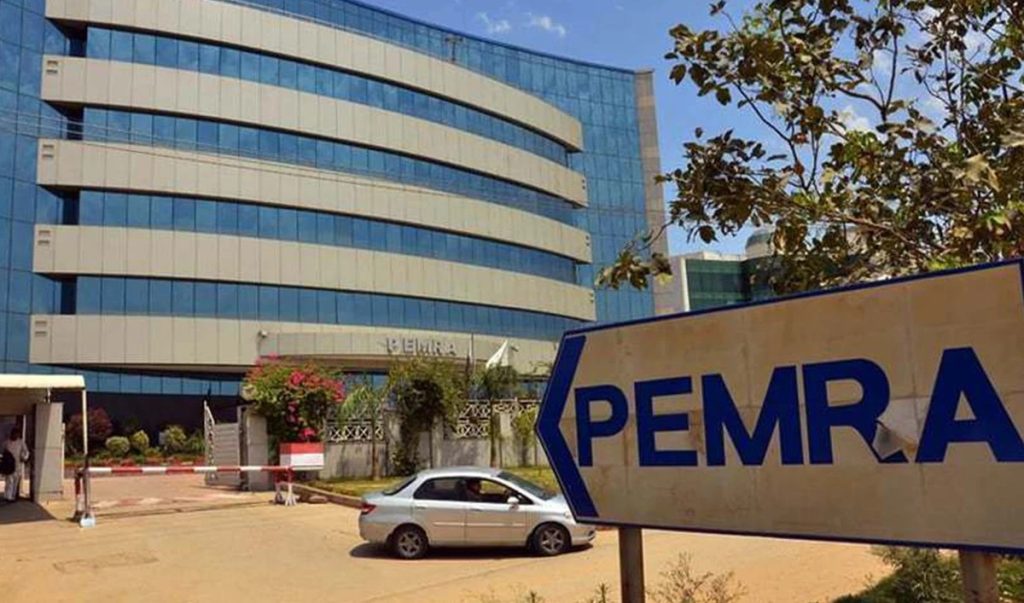



Following a Senate health committee directive and health ministry correspondence invoking a 2002 child-nutrition law, PEMRA has barred TV and radio broadcasters from airing infant formula advertisements in a market worth $443 million in domestic sales.
Pakistan’s electronic media regulator has ordered an immediate ban on television and radio advertisements for infant formula milk in a bid to enforce breastfeeding protections and child-nutrition rules. Reported by Arab News Pakistan on November 24, 2026, the move by the Pakistan Electronic Media Regulatory Authority (PEMRA) follows pressure from the Senate Standing Committee on Health—chaired by Senator Aamir Waliuddin Chishti—and a November 18 letter from the Ministry of National Health Services, Regulations and Coordination urging stricter enforcement of statutory safeguards governing breast-milk substitutes.
Lawmakers and health officials pointed out that restrictions on promoting infant formula are already anchored in existing legislation rather than requiring new executive orders:
-
Statutory Basis and Regulatory Scope: Committee members cited Section 7 of the Protection of Breastfeeding and Child Nutrition Ordinance of 2002 alongside provisions of the Drug Regulatory Authority of Pakistan (DRAP) Act 2012, noting that the 2002 law has been on the books for 24 years and that infant formula falls under DRAP oversight.
-
Court Stays and Jurisdiction Disputes: PEMRA leadership, including Chairperson Ambreen Jan, noted ongoing court proceedings—including a March 2024 challenge in the Sindh High Court by four importers questioning DRAP jurisdiction and a stay obtained in the Islamabad High Court against prior committee letters regarding mandatory “Mother’s milk is the best for a child” wording—while senators countered that court stays on specific administrative letters do not override the 2002 ordinance itself.
Public Health Rationale: Health Minister Mustafa Kamal backed the committee’s push to curb formula promotion in favor of breastfeeding, while experts addressing lawmakers warned of higher infection and mortality risks among formula-fed infants compared with breastfed babies.
The advertising crackdown lands in a high-value commercial segment for specialized dairy and nutrition manufacturers. Market figures cited in coverage around the Senate hearings indicate that domestic sales of infant formula in Pakistan reached $443 million, alongside roughly $60 million in formula imports in 2024—underscoring why commercial marketing rules, label disclaimers for children aged 1 to 36 months, and broadcast restrictions carry substantial financial stakes for multinational and domestic dairy-nutrition companies.
For dairy ingredient suppliers, infant-nutrition brands, and food-policy observers, Pakistan’s action highlights tightening global scrutiny over how infant and follow-on formulas are marketed across mass media. Rather than relying on broadcast promotion, companies operating in regulated markets must focus on strict statutory compliance, clear regulatory approvals, and non-promotional medical or nutritional channels where permitted by law.
How effectively PEMRA enforces the broadcast suspension across satellite television and FM radio—and how pending high-court litigation resolves jurisdictional questions between regulators and importers—will shape marketing and compliance practices across Pakistan’s infant-nutrition sector heading into 2027.
Source: Arab News Pakistan
You can now read the most important #news on #eDairyNews #Whatsapp channels!!!
🇮🇳 eDairy News ÍNDIA: https://whatsapp.com/channel/0029VaPidCcGpLHImBQk6x1F