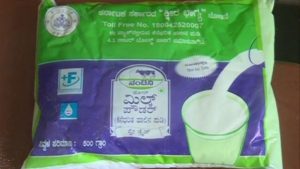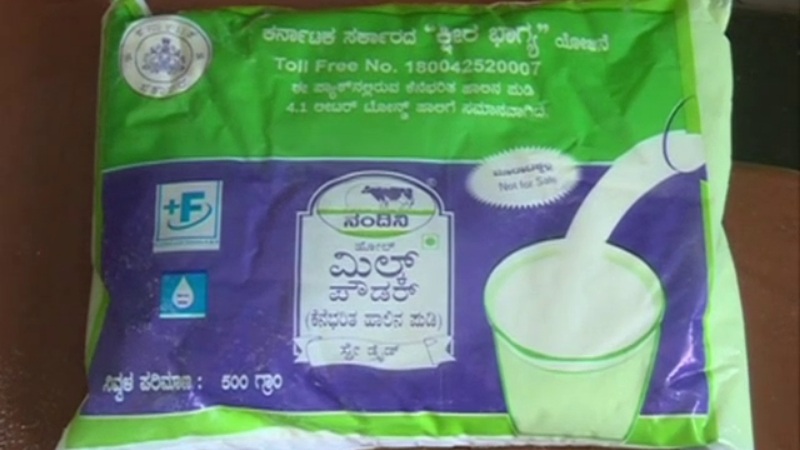




Laboratory testing commissioned by food safety authorities confirms Karnataka Milk Federation’s Nandini milk powder is safe for consumption, refuting adulteration claims.
Official laboratory analysis has validated the quality and safety of Nandini milk powder, formally dismissing circulating allegations of product adulteration against the Karnataka Co-operative Milk Producers’ Federation Limited (KMF). The regulatory clearance follows an intervention on September 26, when surveillance officers from the Food Safety and Standards Authority of India (FSSAI) collected milk powder samples across KMF manufacturing units and procurement dairies. State health authorities directed comprehensive analytical testing to verify product integrity amid heightened public sensitivity surrounding dairy product quality. The resulting laboratory report confirmed that Nandini milk powder meets all statutory compositional and safety standards prescribed by national food safety legislation, verifying that the product is completely safe for human consumption.
From an industrial processing and food chemistry perspective, the laboratory verification validates the technological rigor of KMF’s drying and packaging operations. Commercial milk powder manufacturing—whether producing Whole Milk Powder (WMP) or Skimmed Milk Powder (SMP)—requires standardized thermal evaporation and high-pressure spray drying to reduce moisture content below 4 percent while preserving milk protein bioactivity. Substandard or adulterated milk powders often fail statutory audits when unscrupulous operators cut product with non-dairy maltodextrins, refined vegetable starches, urea to elevate apparent nitrogen levels, or alkaline neutralizers to mask high-acidity raw milk. The testing confirmed the absence of extraneous chemical adulterants, validating that Nandini powder retains pure bovine milk solids, balanced casein-to-whey ratios, and correct fatty acid profiles required under FSSAI mandates.
The clearance comes during an intensive surveillance period across India’s dairy corridors, as regulatory bodies ramp up enforcement ahead of the high-demand autumn festive season. In recent weeks, state food safety departments across southern and western India have widened inspections targeting unorganized sweet manufacturers, cold-storage warehouses, and ingredient wholesalers for expired materials and synthetic dairy substitutes. In an environment where the informal market frequently fabricates synthetic milk solids to bridge seasonal procurement deficits, branded cooperative products can become vulnerable to unverified social media claims and consumer anxiety. Independent laboratory confirmation establishes an objective technical buffer that counters rumors and reinforces regulatory confidence across retail distribution channels.
From an enterprise finance and cooperative brand management standpoint, protecting the reputation of the Nandini brand is critical to commercial stability across South India. Operating as India’s second-largest dairy cooperative federation, KMF processes millions of liters of milk daily through 16 district milk unions, marketing over 65 product categories. Beyond retail grocery distribution, Nandini milk powder serves as a strategic institutional pillar, supplying Karnataka’s landmark Ksheera Bhagya school nutrition scheme to provide daily milk to millions of schoolchildren. In high-turnover consumer and institutional categories, unsubstantiated quality controversies risk disrupting government procurement contracts and dampening retail sales velocity. Rapid regulatory vindication insulates KMF’s multi-crore brand valuation and reassures institutional buyers and export partners relying on certified milk powder inventories.
At the farmgate level, defending consumer trust in Nandini directly protects the economic livelihoods of nearly 2.6 million smallholder dairy farmers across Karnataka. KMF operates on a democratic cooperative model where the surplus revenue generated from value-added dairy sales—particularly long-shelf-life commodities like milk powder, ghee, and butter—flows directly back to village milk producers through transparent fat and solids-not-fat (SNF) pricing alongside state-backed milk incentives. If false adulteration claims erode retail consumption, cooperative plants are forced to store excess powder inventories at high carrying costs, putting downward pressure on farmgate milk procurement payouts. The official laboratory confirmation safeguards rural household cash flows, ensuring that Karnataka’s smallholder dairy families maintain stable returns heading into 2027.
Source: Public TV
You can now read the most important #news on #eDairyNews #Whatsapp channels!!!
🇮🇳 eDairy News ÍNDIA: https://whatsapp.com/channel/0029VaPidCcGpLHImBQk6x1F