


Local dairy operators cite soaring cattle feed, fodder, and maintenance costs as retail prices adjust ahead of the festive winter season.
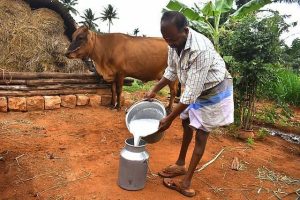
Consumers across Amritsar and neighboring districts in Punjab will face higher dairy expenses starting November 1, with local dairy associations announcing an increase of ₹5 per litre in retail milk prices. The upward price revision, agreed upon during regional dairy operator meetings, reflects mounting operational expenditures across peri-urban and rural dairy production belts. Operators emphasized that maintaining retail rates at previous levels had become commercially unviable due to cumulative cost inflation across the entire livestock husbandry cycle.
Dairy association representatives outlined the compounding pressures on farmgate operating margins. The capital expenditure required to purchase productive milch cattle (both buffalo and high-yielding crossbred cows) has risen sharply, while daily recurring costs have surged across key inputs. Commercial cattle feed formulations, green and dry fodder (notably wheat straw and silage), specialized veterinary medicines, and dairy labor wages have seen consistent price increases over recent months. With input costs outpacing realized retail revenues, local producers faced widening operating deficits without a tariff adjustment.
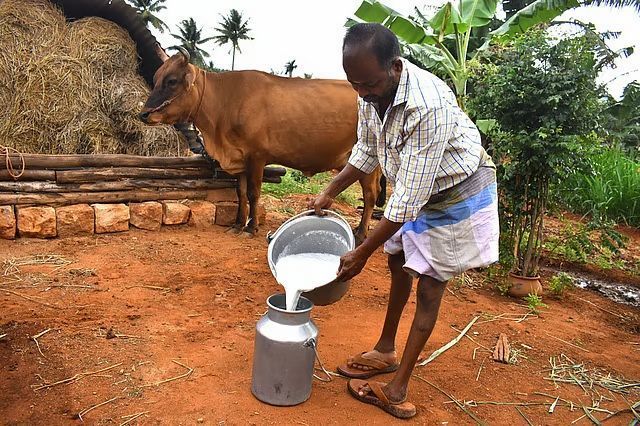
From an urban supply chain and retail distribution perspective, Amritsar’s fluid milk market relies heavily on a dual structure composed of organized brand pouches (such as cooperative federations) and an extensive network of local dairy farms, peri-urban complexes, and neighborhood milk vendors (dudhis). This ₹5 per litre adjustment directly impacts loose, farm-fresh milk deliveries supplied directly to households, tea stalls, local confectioneries, and sweet shops (halwais). Coming on the heels of similar price revisions across industrial dairy clusters in Ludhiana, the adjustment illustrates a broader trend of cost pass-through across Punjab’s urban consumption centers.
The price hike arrives amid heightened festive demand, where consumption of liquid milk, curd, cottage cheese (paneer), and traditional condensed milk solids (khoya or mawa) peaks across northern India. While consumer advocates note that the increase will place additional pressure on monthly household grocery budgets, dairy farmers contend that the revision is essential to prevent operational insolvencies and herd liquidations. When farmgate realizations fail to cover basic nutritional and herd health expenses, milk yields drop, creating localized shortages and driving up reliance on lower-quality or adulterated alternatives.
At the regional agricultural economy level, the revision highlights the persistent structural challenge of balancing urban food affordability with rural producer viability. As commercial feed and fodder markets remain volatile heading into the winter flush season, local dairy operators are urging state authorities to maintain stable fodder supply chains and provide subsidized veterinary inputs. Effective November 1, the new retail rates in Amritsar establish an updated pricing baseline intended to stabilize small and mid-scale dairy enterprises while ensuring consistent milk availability across the city.
Source: Punjab Newsline
You can now read the most important #news on #eDairyNews #Whatsapp channels!!!
🇮🇳 eDairy News ÍNDIA: https://whatsapp.com/channel/0029VaPidCcGpLHImBQk6x1F