
In a massive structural overhaul following its Unilever spin-off, the ice cream giant pivots fully to milk bases to capture India’s premium market.
The Indian frozen treats landscape is bracing for a massive structural shakeup as market leader Kwality Wall’s officially announces a complete transition away from vegetable fats, such as palm oil, to fully dairy-based formulations. The strategic pivot, confirmed by Peter ter Kulve, Global CEO of the newly independent Magnum Ice Cream Company following its spin-off from Unilever, aims to systematically replace vegetable oils with authentic dairy ingredients across its entire portfolio by 2027. This high-stakes transformation signals a monumental realignment for a brand that has historically operated as one of the country’s largest players in the non-dairy frozen dessert category.
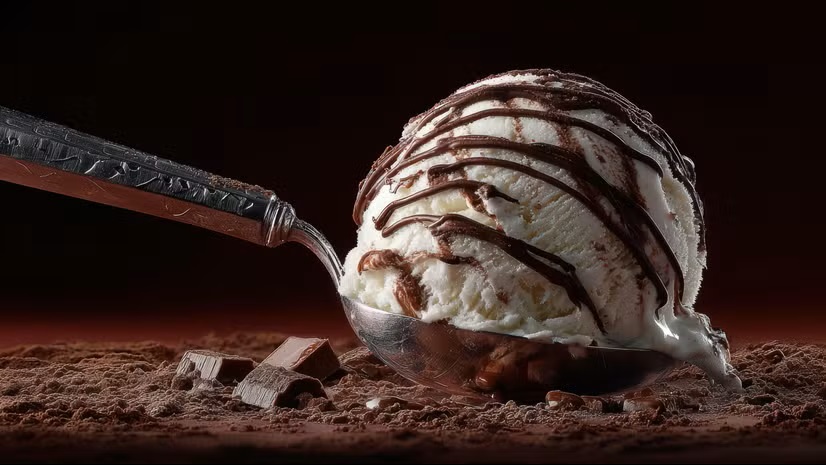
The decision effectively reshapes a long-standing regulatory and commercial battleground within the world’s fastest-growing ice cream market. Under Indian food safety codes, products deriving their fat from vegetable oils must be explicitly labeled as “frozen desserts,” whereas traditional “ice cream” status is legally reserved for formulations using genuine milk fat. By executing this comprehensive ingredient transition, Kwality Wall’s is systematically repositioning its iconic sub-brands, including Cornetto and Magnum, from frozen desserts into pure, premium ice cream players to capture a larger share of an industry benefiting from rising disposable incomes.
From a manufacturing and dairy economics perspective, swapping palm oil for dairy fat represents a high-cost brand positioning strategy that directly overrides traditional cost-efficiency playbooks. Vegetable fats are universally utilized by mass-market processors to secure lower raw material costs, greater price stability, longer shelf lives, and superior melting resistance across uneven cold-chain distribution networks. While transitioning to expensive milk fat drastically alters the company’s internal margin structures, corporate leadership is betting that Indian consumers’ strong association of authentic dairy with superior nutrition and premium quality will justify the overhaul.
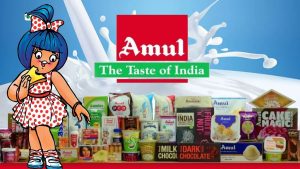
Remarkably, despite the steep production premiums associated with sourcing fluid milk and dairy solids, the manufacturer is pairing its premium transition with an aggressive, volume-driven pricing strategy. Kwality Wall’s plans to execute retail price cuts of up to 30% in selected mass-market categories to maximize market penetration and directly challenge entrenched cooperative giants like Amul. To support this massive volume surge, the company is backing its product launch with an extensive capital expenditure program, targeting the long-term deployment of up to one million specialized retail cold cabinets across urban and rural distribution pipelines.
Ultimately, this corporate intervention will drastically stimulate regional milk procurement networks and accelerate product localization trends across the subcontinent. As part of its revised ingredient roadmap, the company is rapidly expanding its portfolio of regionally inspired, milk-heavy flavors, such as Kulfi and Kesar Bhog, to better align with traditional local palates. For international agribusiness analysts, Kwality Wall’s full-scale dairy pivot serves as a definitive case study in how shifting consumer demands for label transparency and authentic ingredients can successfully force global processing conglomerates to restructure their entire raw material supply chains.
Source: Market re-positioning analyses and executive strategic briefs are fully detailed by Business Standard.
You can now read the most important #news on #eDairyNews #Whatsapp channels!!!
🇮🇳 eDairy News ÍNDIA: https://whatsapp.com/channel/0029VaPidCcGpLHImBQk6x1F