



Chief Minister D.K. Shivakumar calls review meeting as primary milk societies incur losses and farmers divert supply to neighboring states.
The Government of Karnataka will convene a high-level review meeting to decide on dairy producers’ persistent demands for a substantial hike in farmgate milk procurement prices, according to official statements by Chief Minister D.K. Shivakumar. Speaking to reporters in Chikkamagaluru, Shivakumar acknowledged growing distress across the state’s rural milksheds, where dairy farmers are actively campaigning for an increase of ₹8 to ₹9 per litre. The pricing pressure follows sharp escalation in on-farm working expenses and pronounced disparities with procurement benchmarks paid across state borders.
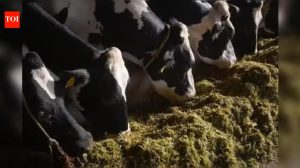
Escalating feed and fodder inflation sits at the center of the agitation. Dairy farmers across Karnataka are grappling with steep price surges in commercial cattle feed and concentrates, compounded by widespread seasonal green fodder shortages and limited grazing access. These feed deficits have inflated the baseline cost of milk production while curbing daily lactation volumes, driving down aggregate milk output across the state. Shivakumar noted that primary village milk cooperative societies are absorbing the financial squeeze as well, reportedly incurring operational losses of ₹6 to ₹7 per litre under current pricing mechanisms.
The procurement debate is further exacerbated by competitive pricing dynamics in neighboring southern states. Highlighting neighboring benchmarks, Shivakumar pointed out that Tamil Nadu recently lifted its dairy procurement rates by ₹9 to ₹10 per litre. Because Karnataka’s statutory cooperative payout now lags regional competitors, substantial volumes of raw milk are being diverted away from the Karnataka Milk Federation (KMF) cooperative network, with farmers choosing to sell to private dairy processors or cross-border buyers offering immediate cash premiums.
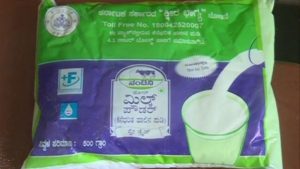
This leakage of raw milk solids poses an operational risk for Karnataka’s organized cooperative processing infrastructure. The KMF and its constituent district milk unions rely on high daily procurement volumes to service retail pouch demand under the flagship Nandini brand, maintain powder-drying plants, and supply institutional welfare schemes. Sustained supply diversions not only threaten downstream processing throughput but also risk eroding KMF’s market share in urban liquid milk and value-added dairy segments.
Balancing producer viability against retail consumer price sensitivity remains the central political and economic challenge for the state administration. While an ₹8 to ₹9 per litre procurement lift is critical to cover feed bills and stop cross-border milk drain, passing the full increment onto consumers could trigger inflation concerns for working-class households. Shivakumar affirmed that the administration will consult with cooperative union heads, departmental officials, and farmer representatives to structure an equitable pricing formula that stabilizes cooperative procurement while safeguarding smallholder dairy livelihoods.
Source: ThePrint / PTI
You can now read the most important #news on #eDairyNews #Whatsapp channels!!!
🇮🇳 eDairy News ÍNDIA: https://whatsapp.com/channel/0029VaPidCcGpLHImBQk6x1F