



Acute deficits in monsoon rainfall and crop residues trigger tripling fodder prices, forcing distress migrations and threatening dairy production in Andhra Pradesh.
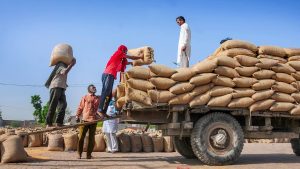
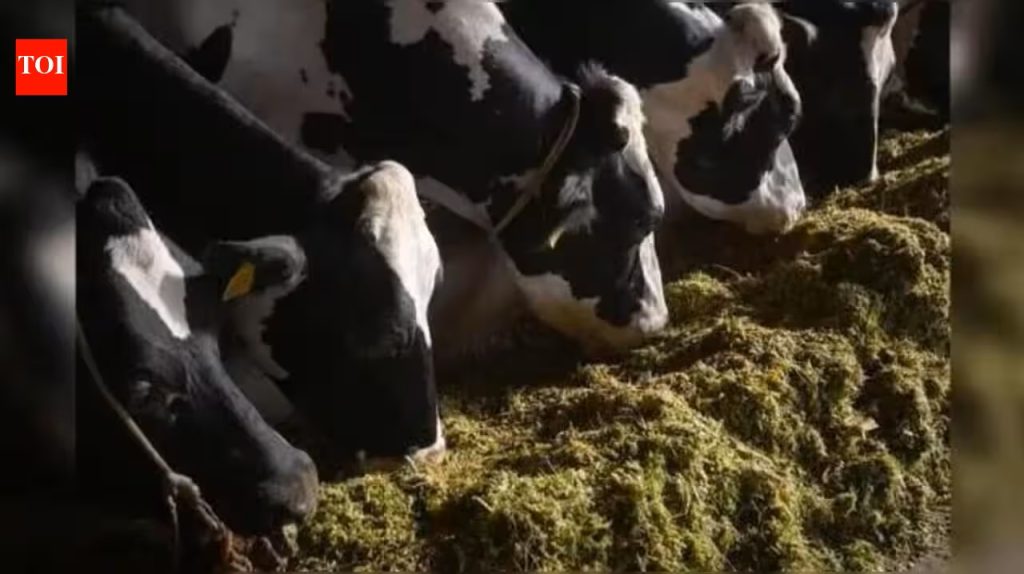
Dairy farmers and livestock herders across Andhra Pradesh’s Palnadu district are facing severe operational strain as grazing lands turn barren, local water sources dry up, and fodder costs triple under intensifying El Niño-induced drought conditions. According to field reports from The Times of India, the combined deficit in monsoon precipitation and groundwater availability has sharply depressed daily raw milk yields across key dairying mandals, including Macherla, Veldurthi, and Durgi. With extensive agricultural acreage left unsown or withered, the acute scarcity of essential crop residues—principally paddy straw—has disrupted herd feeding schedules. The mounting feed crisis has heightened fears of sustained production declines, forcing livestock keepers to initiate premature seasonal migrations and straining the economic viability of smallholder milk production across the region.
From an animal husbandry and herd management perspective, the fodder deficit poses an immediate threat to high-density livestock tracts. Mandals such as Macherla support over 101,000 cattle and buffaloes, while Veldurthi and Durgi sustain more than 56,000 and 26,000 head respectively. In these rural tracts, milk production relies heavily on buffalo rearing, an enterprise requiring dependable daily access to roughage, drinking water, and wallowing facilities. Traditional contract rearing arrangements—where herders manage buffaloes for fees around ₹600 per animal per month—have become financially untenable as the cost of commercial green and dry fodder escalates beyond sustainable limits. Furthermore, the drying of local tanks and pastures has upended traditional migratory patterns; pastoralists who typically move herds toward the Nagarjuna Sagar Right Canal later in the winter are migrating months ahead of schedule, with some forced to travel as far as Tenali in search of viable grazing tracts.
The regional fodder crisis is directly impacting raw milk collections and procurement economics for both cooperative and private dairy processors operating across Andhra Pradesh. Underfed dairy animals experience steep drops in lactation persistency, accompanied by marked reductions in butterfat and solids-not-fat (SNF) percentages. For rural producers paid strictly on component pricing, lower milk solids translate directly into reduced milk check realizations at a time when feed procurement expenses have tripled. This margin compression threatens regional procurement networks, as formal chilling centers and bulk milk coolers (BMCs) report lower intake volumes. If localized supply deficits deepen across the southern milk shed, processors will be forced to compete aggressively for diminishing raw milk pools, putting upward pressure on consumer wholesale milk prices.
From a rural policy and emergency intervention standpoint, agricultural leaders and farmer unions are urging state authorities to deploy comprehensive drought-relief measures to prevent distress cattle liquidations. With 388 mandals across Andhra Pradesh already declared drought-hit due to deficient monsoon rains, farmer representatives have demanded the urgent establishment of subsidized fodder depots, emergency cattle camps, and decentralized fodder banks. Utilizing surplus public lands for rapid fodder crop cultivation, alongside establishing livestock drinking water points along major migratory routes, represents an essential buffer to shield smallholders from predatory fodder black-marketing. Without structured feed subsidies, resource-constrained dairy farmers face the prospect of selling productive milch buffaloes to slaughterhouses at distressed valuations, permanently eroding the district’s productive dairy asset base.
Looking ahead toward 2027, the crisis in Palnadu highlights the urgent necessity of institutionalizing climate-resilient feed security frameworks across India’s drought-prone dairying belts. As El Niño weather anomalies increase the frequency and severity of dry spells across southern India, relying exclusively on rainfed seasonal grazing and unmanaged crop residues leaves the dairy supply chain dangerously vulnerable to climatic shocks. Developing commercial silage networks, promoting drought-tolerant forage varieties like sorghum and bajra, and integrating total mixed ration (TMR) block distribution into state dairy development programs will be crucial to decoupling milk production from local rainfall variability. Safeguarding rural feed supplies remains paramount not only to preserving dairy farm liquidity, but also to maintaining milk procurement stability across the organized dairy value chain.
Source: The Times of India
You can now read the most important #news on #eDairyNews #Whatsapp channels!!!
🇮🇳 eDairy News ÍNDIA: https://whatsapp.com/channel/0029VaPidCcGpLHImBQk6x1F