



Aggressive state-backed cooperative reforms and enhanced farmgate price guarantees supercharge raw milk collection volumes.
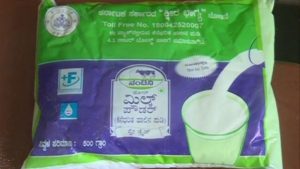
The northern Indian state of Himachal Pradesh is experiencing a massive transformation in its rural economy as its newly launched “White Revolution” initiative gains unprecedented momentum. State-backed agricultural directives and aggressive structural expansions have triggered a stunning fourfold surge in formal milk procurement volumes across regional collection basins. For international dairy analysts and cooperative experts, this sharp upward trajectory serves as a definitive case study in how targeted public-sector intervention can rapidly modernize a historically fragmented smallholder production system.
The core driver behind this immense volume explosion is the state government’s calculated strategy to offer highly lucrative, guaranteed minimum procurement prices directly to independent family dairy operations. By establishing an elevated, stable baseline for farmgate returns, the administration has successfully shielded smallholder producers from the volatile price manipulations of informal local middlemen and private traders. This newly introduced financial security has fundamentally incentivized rural households to scale up their daily milking operations and channel their raw volumes exclusively through the organized state cooperative framework.
To seamlessly absorb this massive influx of raw material, the state’s central dairy cooperative network has aggressively expanded its village-level collection infrastructure and cold-chain logistics. The deployment of automated fat-testing machinery, digital component analyzers, and decentralized bulk milk cooling centers ensures that high-purity solids are immediately stabilized upon harvest. This systemic infrastructural modernization prevents post-harvest spoilage, maintains strict raw material hygiene standards, and guarantees that livestock keepers receive transparent, component-based payouts that reflect the true market value of their milk.
From a strict dairy economics and data journalism perspective, the macro-level impacts of this fourfold procurement leap extend far beyond increased milk volumes, functioning as a primary vehicle for regional wealth generation and women’s economic empowerment. Because the cooperative grid channels monthly milk checks directly into the bank accounts of grassroots primary producers, it has created a dependable, year-round livelihood buffer for thousands of agrarian families. This steady influx of rural capital allows smallholders to confidently reinvest in superior animal genetics, automated milking tech, and optimized cattle nutrition to drive down long-term production overheads.
Ultimately, Himachal Pradesh’s thriving milk procurement drive sets a powerful benchmark for developing dairy markets navigating the late 2026 marketing calendar. By successfully linking millions of literal drops of village-level production into a highly synchronized, state-of-the-art manufacturing pipeline, the initiative establishes a secure and resilient food processing foundation. Moving forward, global agribusiness observers will closely monitor how this state-backed cooperative model scales up its downstream value-added processing capacities to secure higher market share in India’s booming consumer dairy sector.
Source: Detailed state-level production data and rural economic development briefs are reported by United News of India (UNI).
You can now read the most important #news on #eDairyNews #Whatsapp channels!!!
🇮🇳 eDairy News ÍNDIA: https://whatsapp.com/channel/0029VaPidCcGpLHImBQk6x1F