
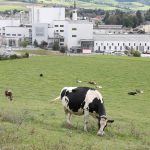


Union Minister Piyush Goyal vows absolute protection for smallholder farmers and MSMEs against cheap agricultural imports.
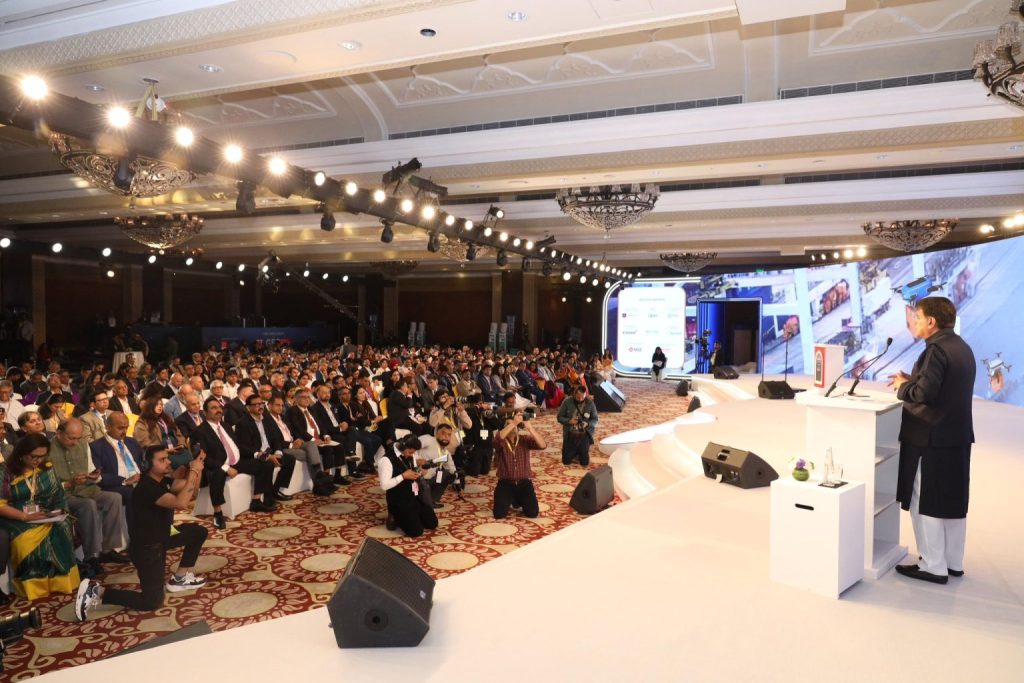
Union Commerce and Industry Minister Piyush Goyal has firmly stated that the Government of India has successfully protected the sensitive domestic dairy sector and independent farmers in all signed Free Trade Agreements (FTAs). Speaking at a high-level corporate forum, Goyal underscored that national trade policy remains strictly designed to insulate vulnerable agrarian communities from volatile international commodity markets. The minister’s strong stance reassures the domestic agribusiness community that international trade expansion will not come at the expense of grassroots rural livelihoods.
The core of India’s defensive trade strategy centers heavily on shielding the country’s massive network of smallholder dairy producers and Micro, Small, and Medium Enterprises (MSMEs). Goyal pointed out that the livestock sector functions as an irreplaceable socioeconomic safety net for millions of multi-generational farming families. By deliberately excluding sensitive dairy product lines from tariff elimination schedules, the government prevents highly capitalized global processing conglomerates from dumping cheap, subsidized milk solids into the domestic consumer market.
From a dairy economics and data journalism perspective, maintaining this robust protectionist framework is absolutely vital to safeguarding local farmgate price stability. Unlike large-scale, industrialized corporate farming models found in western exporting nations, the Indian dairy grid relies on millions of small-scale producers with modest daily herd collections. Allowing unchecked, zero-duty imports of foreign butteroil or skim milk powder would trigger catastrophic price drops, completely destroying the operational margins of independent local cooperatives.
To complement these protective trade policies, the government is continuously driving internal capacity building to improve the overall competitiveness of the domestic food processing industry. Goyal highlighted that state programs are intensely focused on modernizing cold-chain logistics, expanding village-level collection facilities, and supporting technical upgrades for small-scale agribusinesses. This dual approach helps the domestic market satisfy rising national demand while simultaneously helping local manufacturers gradually meet stringent international quality benchmarks.
Ultimately, Goyal’s policy brief serves as a definitive case study in how developing economies can balance global trade integration with robust domestic food security. As India aggressively negotiates future trade treaties with alternative international economic blocs, the absolute preservation of the local dairy pool remains a non-negotiable threshold for institutional negotiators. Moving deeper into the late 2026 marketing calendar, global dairy analysts will continue to view India as a highly fortified, self-sustaining consumer market that fiercely defends its local agrarian production base.
Source: Official ministerial addresses and national trade policy parameters are fully documented by Akashvani News (News on AIR).
You can now read the most important #news on #eDairyNews #Whatsapp channels!!!
🇮🇳 eDairy News ÍNDIA: https://whatsapp.com/channel/0029VaPidCcGpLHImBQk6x1F