

Federal food safety authorities challenge unapproved health assertions and statutory labeling omissions on maternal and clinical nutrition formulations.
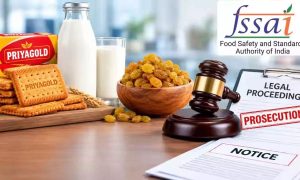
The Food Safety and Standards Authority of India has issued formal show-cause notices to consumer goods leaders Nestlé India Limited and Hindustan Unilever Limited over alleged misleading commercial claims and statutory regulatory non-compliance. Enacted under the enforcement mechanisms of the Food Safety and Standards Act, the regulatory directives specifically scrutinize marketing representations on Hindustan Unilever’s Horlicks Mother’s Plus Kesar nutritional beverage alongside regulatory clearances for Nestlé’s Resource Renal specialized powdered formulation. Both multinational enterprises have been formally instructed to submit comprehensive technical explanations within a stipulated timeframe detailing the scientific validation and statutory approvals supporting their commercial distribution. The regulatory intervention underscores a nationwide supervisory push targeting high-velocity health food drinks, maternal dietary supplements, and clinical medical nutrition matrices across modern retail channels and digital distribution networks. Statutory authorities emphasized that failure to deliver satisfactory regulatory justifications could trigger punitive legal actions, including mandatory marketing bans, product recalls, or commercial license revocations under applicable food safety frameworks.
From an operational compliance and product labeling perspective, the regulatory findings identified distinct breaches across commercial advertising, e-commerce listings, and physical packaging iconography. On batches of maternal nutritional powder, surveillance teams flagged prominent declarations asserting benefits for healthy fetal birth weight as potentially deceptive and in contravention of the Food Safety and Standards Advertising and Claims Regulations of 2018. Regulators determined that such phrasing improperly implied that consuming the manufactured formulation directly produced physiological birth outcomes without establishing rigorous clinical causation. In addition, e-commerce title strings advertising protein for birth weight and fatty acids for fetal cognitive development alongside no-added-sugar representations were cited for statutory non-compliance. Concurrently, surveillance audits on specialized clinical formulas designed for conservative chronic kidney disease management revealed a complete absence of mandatory pre-market approvals required under the 2022 regulations governing Foods for Special Medical Purposes. Inspection teams further noted that the physical packaging failed to display mandatory green or brown vegetarian identification marks, violating the foundational provisions of the 2020 Food Safety and Standards Labelling and Display Regulations.
The escalating regulatory scrutiny intersects with rapid commercial expansion across India’s specialized nutrition, fortified dairy, and clinical dietary categories. Fast-moving consumer goods conglomerates have progressively shifted strategic focus toward value-added nutritional beverages, maternal supplements, and disease-targeted formulations to capture superior gross profit margins compared to standard commodity dairy products. However, intense competitive positioning across rapid-delivery quick-commerce apps and organized supermarket shelves has led brand marketing divisions to integrate aggressive physiological promises directly into digital metadata and primary carton facades. Food safety authorities are expanding monitoring protocols beyond conventional laboratory compositional testing to encompass digital shelf claims, commercial television broadcasts, and algorithmic search terms that influence health-conscious consumers. This regulatory recalibration is compelling corporate marketing teams to align commercial promotional copy strictly with verified scientific dossiers and established statutory claim registers before deploying mass-media campaigns.
From an enterprise finance and corporate risk management standpoint, addressing formal show-cause proceedings introduces operational liabilities and unexpected capital allocation requirements. Potential regulatory sanctions threaten substantial balance sheet write-downs tied to pre-printed packaging materials, cardboard folding boxes, and finished goods inventory circulating throughout regional distribution centers and third-party fulfillment hubs. If statutory authorities reject corporate defenses, the implicated manufacturing lines face temporary cessation orders, product redesign outlays, and expensive third-party clinical trial expenditures to substantiate therapeutic claims. Financial analysts and corporate investors monitor these regulatory interventions closely, as protracted disputes over marquee nutrition brands can erode institutional brand equity and suppress quarterly revenue trajectories in high-margin categories. To mitigate ongoing compliance exposures, consumer goods manufacturers are directing dedicated capital expenditures toward expanded in-house scientific affairs divisions, third-party legal vetting pipelines, and standardized regulatory screening protocols for all commercial stock-keeping units.
At the farmgate procurement and ingredient supply level, the sustained commercial viability of specialized nutritional formulations provides a vital demand channel for premium dairy fractions and high-purity milk proteins. Formulating clinical renal diets, maternal tonics, and fortified dairy beverages requires specialized demineralized whey solids, ultrafiltered milk protein isolates, and specialized fat fractions that command high value over standard liquid milk and commodity skim milk powder. When corporate marketing pipelines face regulatory friction or distribution bottlenecks, ingredient processing facilities experience reduced order velocity, which can ripple down to regional milk chilling centers and cooperative procurement pools. Looking ahead toward 2027, establishing transparent regulatory standards and unambiguous labeling protocols will remain essential to sustaining long-term consumer trust in specialized dairy nutrition. Fostering a scientifically rigorous and legally compliant manufacturing landscape ensures that value-added processing margins continue to translate into stable, remunerative milk prices for commercial dairy producers nationwide.
Source: The Economic Times
You can now read the most important #news on #eDairyNews #Whatsapp channels!!!
🇮🇳 eDairy News ÍNDIA: https://whatsapp.com/channel/0029VaPidCcGpLHImBQk6x1F