
Union Minister Rajiv Ranjan Singh informs Lok Sabha that raw milk pricing will remain market-driven while expanding digital tracking via NDLM and state-level processing funds.
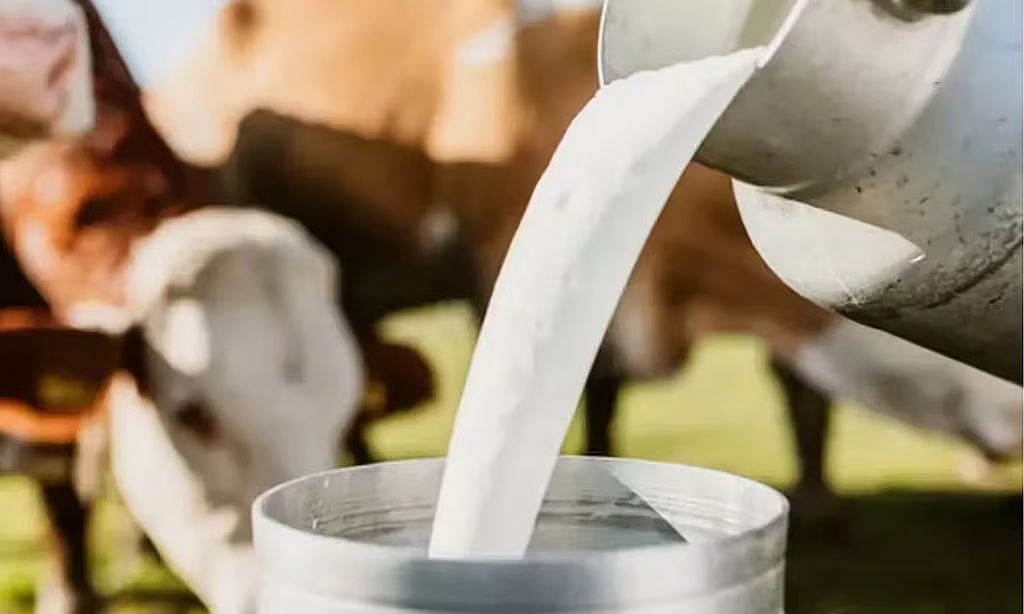
In a written response to parliamentary inquiries in the Lok Sabha, Union Minister for Fisheries, Animal Husbandry and Dairying, Shri Rajiv Ranjan Singh, clarified that the Central Government has no proposal to introduce a Minimum Support Price (MSP) for raw milk. Addressing long-standing demands from regional farm unions, the Minister explained that raw milk pricing in India will remain strictly market-driven, set dynamically by dairy cooperatives and private processors based on seasonal supply-demand fundamentals, fat/SNF content, and regional procurement costs.
Despite ruling out statutory price floors, the Minister emphasized that the government is actively supporting producer margins by expanding processing infrastructure and primary collection networks. Through targeted central assistance schemes, the administration is funding village-level dairy cooperative societies, modernizing cold-chain logistics, and upgrading milk quality testing labs. By increasing domestic processing capacity and value addition, the government aims to help smallholders capture higher net returns without distorting commercial trade.
A major driver of this structural support is the Animal Husbandry Infrastructure Development Fund (AHIDF), which incentivizes private and cooperative investments in dairy processing, meat plants, and animal feed manufacturing. To ensure widespread adoption across rural milk sheds, the Ministry is conducting outreach and training programs in coordination with State Governments and Common Service Centres (CSCs). Highlighting state-specific impact, the Minister noted that 113 AHIDF projects worth ₹4,700.13 crore have already been approved in Maharashtra, supported by ₹123.46 crore in released interest subvention.
On digital governance, the Ministry detailed progress under the National Digital Livestock Mission (NDLM). Every registered animal is being assigned a unique 12-digit Tag ID, establishing a lifetime digital record for vaccinations, breeding history, and medical treatments. Addressing data security concerns, Minister Singh assured the House that the NDLM portal utilizes AES-256 encryption and Transport Layer Security (TLS) to protect national livestock data, while clarifying that Mobile Veterinary Units (MVUs) and banking APIs are not yet integrated into the system.
Ultimately, the government’s Lok Sabha disclosure reinforces India’s policy framework of prioritizing supply-chain efficiency over price controls. By combining digital animal traceability with capital subsidies under the National Livestock Mission (NLM) and Livestock Health and Disease Control Programme (LHDCP), the Ministry seeks to improve herd productivity and disease management. This strategy aims to ensure long-term farmgate sustainability for India’s 80 million dairy-dependent rural households while preserving market competitiveness.
Source: Press Information Bureau (PIB Delhi)
You can now read the most important #news on #eDairyNews #Whatsapp channels!!!
eDairy News ÍNDIA: https://whatsapp.com/channel/0029VaPidCcGpLHImBQk6x1F