



Down To Earth analysis shows how monsoon shortfalls and thermal stress compress milk yields long before broader CPI food indices capture the shock.
An analysis published by Down To Earth highlights an overlooked trigger of agricultural inflation in India: the widening feed and fodder deficit exacerbated by Super El Niño weather patterns and persistent thermal stress. Written by Sushmitha K S of the Dr. B. R. Ambedkar School of Economics University, the research warns that while macroeconomic discussions typically focus on grain reserves or vegetable price spikes, the next major inflation wave may quietly originate in the country’s fodder fields long before impacting retail milk packets.
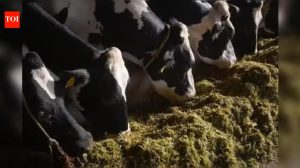
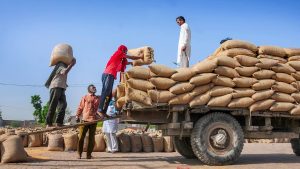
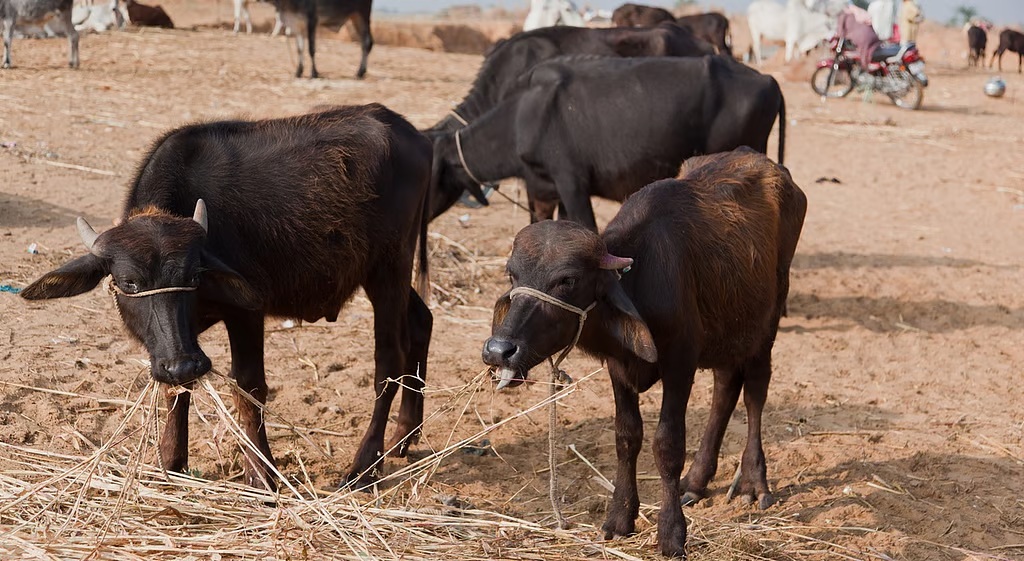
India’s dairy sector—the largest in the world—operates under a structural feed deficit that persists even during favorable monsoon cycles. According to data from the Indian Grassland and Fodder Research Institute (IGFRI), the country faces an ongoing shortfall of green fodder, dry crop residues, and concentrate feed inputs relative to its massive bovine population. During typical harvest years, abundant grain straw and pasture grazing mask these imbalances, but erratic rainfall and extreme heatwaves quickly destroy this fragile buffer.
Super El Niño conditions disrupt feed security through multiple compounding mechanisms. When monsoon rains fail or arrive unevenly across key milksheds, kharif crop production drops, reducing the volume of straw and crop residues available for livestock. Simultaneously, drought conditions shrink communal grazing pastures, forcing smallholder farmers to purchase commercial concentrates at inflated spot prices or reduce feed intake, which directly suppresses milk yields and cattle productivity.
The economic impact of this feed squeeze is further magnified by biological thermal stress. When temperatures exceed optimal thresholds, dairy cows reduce dry matter intake and consume significantly more energy regulating their body temperature. This leads to a double-pressure environment for dairy producers: operational input costs (fodder, concentrates, and water) surge rapidly at the exact moment that daily milk yields drop, compressing farmgate margins and forcing retail dairy price increases to maintain solvency.
Ultimately, the analysis underscores that milk production remains inherently localized, meaning regional weather anomalies create severe market distortions that national aggregate rainfall data cannot reflect. To protect consumer nutrition and prevent recurring retail milk price inflation, Down To Earth advocates treating fodder and feed security as a primary macroeconomic priority—urging sustained investments in fodder seed production, pastureland restoration, and resilient feeding strategies to insulate India’s dairy heartland from future climate shocks.
Source: Down To Earth
You can now read the most important #news on #eDairyNews #Whatsapp channels!!!
eDairy News ÍNDIA: https://whatsapp.com/channel/0029VaPidCcGpLHImBQk6x1F