


Tamil Nadu’s apex dairy cooperative revises prices across value-added dairy lines to support farmer welfare following a Rs 6 procurement increase.
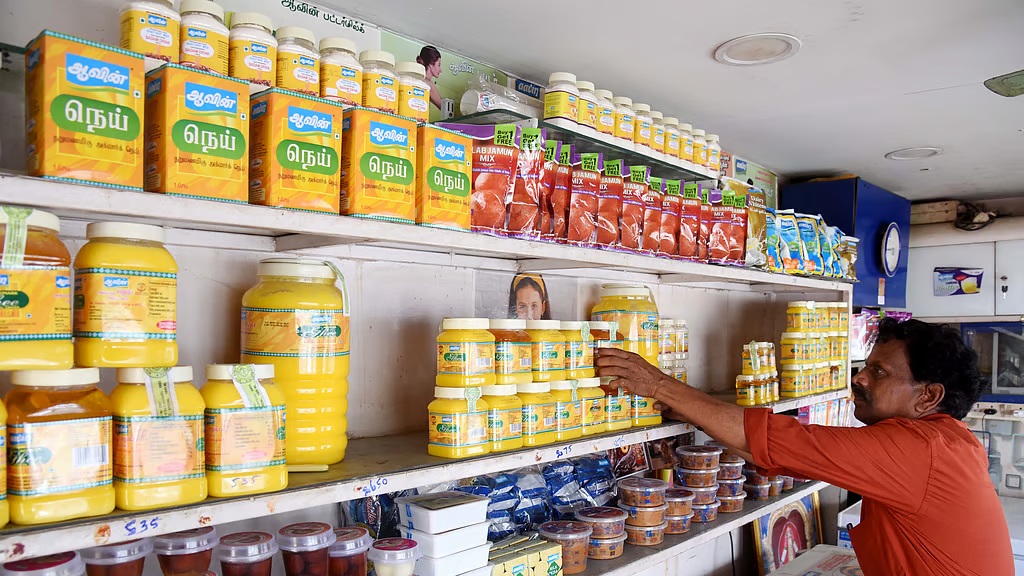
Tamil Nadu’s apex dairy cooperative federation, Aavin (Tamil Nadu Co-operative Milk Producers’ Federation Limited), has enacted retail price increases ranging from 10% to 25% across its portfolio of value-added dairy goods, including butter, ghee, curd, buttermilk, milkshakes, and traditional sweets. Effective Wednesday, October 28, the adjustments are intended to offset mounting operational and ingredient expenses while leaving baseline liquid milk pouch prices unchanged for consumers. According to internal projections, the price revision is anticipated to boost Aavin’s annual product sales revenue by 10%, building upon the Rs 683.25 crore in value-added sales generated during the 2025-26 fiscal year—a 15% increase over the previous period.
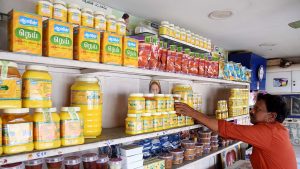
Under the formal order issued by Aavin Managing Director S. Sivarasu, key dairy staples and festive lines reflect updated retail price points across retail parlors and partner booths. Clarified butterfat (ghee) has been adjusted upward, with 100 ml packs moving from Rs 80 to Rs 95, 200 ml packs from Rs 160 to Rs 180, and the popular 500 ml container increasing from Rs 365 to Rs 400. In the butter segment, a 100 g pack of table butter now retails at Rs 70 (up from Rs 60), while the 500 g brick rose from Rs 280 to Rs 320. Fresh curd in 500 ml packs increased from Rs 35 to Rs 40, 200 ml buttermilk sachets moved from Rs 8 to Rs 10 (with PET bottles rising to Rs 14), and 200 ml standard lassi shifted from Rs 20 to Rs 23. Confectionery lines also saw adjustments, with 125 g packs of gulab jamun moving to Rs 60, alongside revisions for Mysore pak, milk peda, and nut halwa.
The commercial revision directly correlates with upstream farmgate procurement adjustments sanctioned by the state administration. Effective September 1, the Tamil Nadu government increased the raw milk procurement payout to primary dairy farmers by Rs 6 per liter to alleviate mounting on-farm production burdens. Because consumer fluid milk tariffs were deliberately held flat at that time to protect household budgets, the procurement price increase represented an estimated annual outlay of Rs 720 crore for the state dairy system. Revising pricing across high-margin discretionary categories allows the federation to absorb these procurement commitments without relying entirely on direct fiscal subventions.
From a cooperative governance and market competitiveness standpoint, Aavin affirmed that more than 90% of the incremental revenues generated by the tariff hike will be allocated directly toward milk producer welfare schemes, infrastructure enhancements, and village-level society payments. The federation noted that even after this upward revision, its retail prices remain lower than comparable products marketed by private commercial processors and multi-state cooperative brands such as Amul and Nandini. Retaining a price advantage allows Aavin to maintain strong sales velocity across urban retail corridors while ensuring fair compensation for hundreds of thousands of smallholder producers.
At the farmgate production level, securing sustainable revenue channels is critical for preserving rural milk procurement networks across Tamil Nadu. Dairy producers continue to navigate volatile feeding expenses, with commercial cattle feed, dry fodder, and agricultural labor commanding elevated rates. By ensuring that value-added processing margins directly fund the cooperative procurement base, the federation provides rural milk producers with reliable payment cycles and incentive structures. Heading into 2027, this targeted pricing strategy balances urban consumer affordability with the financial stability needed to support rural livelihoods and maintain state milk production.
Source: The New Indian Express
You can now read the most important #news on #eDairyNews #Whatsapp channels!!!
🇮🇳 eDairy News ÍNDIA: https://whatsapp.com/channel/0029VaPidCcGpLHImBQk6x1F