


Indian dairy cooperative powerhouse secures high-level state backing to inject up to Rs 650 crore into regional processing infrastructure.
The Gujarat Cooperative Milk Marketing Federation (GCMMF) is setting the stage for a massive commercial expansion across West Bengal following a high-level strategic meeting at the state secretariat. Key leadership figures from the renowned dairy cooperative giant, including GCMMF Managing Director Jayen Mehta and Amit Vyas, head of the Kaira District Co-operative Milk Producers’ Union, met directly with state leadership to iron out operational plans. For international dairy market analysts, this institutional convergence marks a calculated milestone that is set to reshape milk solids procurement and downstream market dynamics across eastern India.
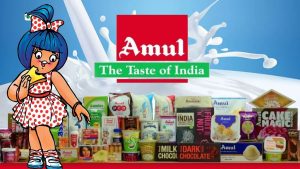
The corporate layout of this capital injection includes a massive, dedicated investment ranging between Rs 600 crore and Rs 650 crore to establish Amul’s very first wholly-owned, integrated mega dairy processing plant. Strategically positioned at the Sankrail Food Park in Howrah, the cutting-edge industrial hub is designed to heavily maximize value-added processing capabilities within the regional supply chain. Most notably, the high-volume manufacturing blueprint features the world’s absolute largest curd manufacturing facility, setting a fresh global benchmark for large-scale fermented dairy operations.
From a strict dairy economics and data journalism perspective, this major industrial expansion is expected to function as a powerful macroeconomic catalyst for regional wealth generation and rural employment. State officials emphasized that bringing a highly organized, cooperative infrastructure like Amul into the Bengal market will play an irreplaceable role in stabilizing farmgate milk collection channels and boosting local manufacturing jobs. By integrating fragmented local farmers into a synchronized, corporate-grade processing pipeline, the state aims to unlock massive untapped production capacities at the farm gate.
To ensure long-term logistical efficiency and raw material hygiene, the upcoming processing complex will utilize advanced automated testing and rapid cold-chain stabilization technologies. This large-scale modernization ensures that high-purity fluid volumes collected from regional village societies can be instantly chilled and routed directly into high-margin consumer retail lines. Cooperative leadership notes that keeping objective supply chain operations lean and highly optimized allows the business to better protect member returns against volatile global commodity spot market trends.
Ultimately, Amul’s aggressive eastern expansion highlights a permanent shift toward organized, cooperative-led food processing grids within rapidly growing consumer dairy markets. As premium retail demographics increasingly demand absolute transparency and uncompromised food safety certificates, old-school, middleman-dominated supply lines are continuously losing market share. Moving deeper into the late 2026 marketing calendar, global agribusiness observers will closely monitor this Howrah mega-project to evaluate its success in driving regional economic development and boosting domestic milk pricing power.
Source: Corporate growth strategies and regional dairy sector investment parameters are fully detailed by The Times of India.
You can now read the most important #news on #eDairyNews #Whatsapp channels!!!
🇮🇳 eDairy News ÍNDIA: https://whatsapp.com/channel/0029VaPidCcGpLHImBQk6x1F