



Tamil Nadu’s apex dairy cooperative confirms that over 90 percent of additional revenues from revised dairy product prices will fund producer welfare.
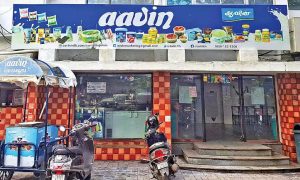
State-owned dairy cooperative federation Aavin (Tamil Nadu Co-operative Milk Producers’ Federation Limited) has officially defended its recent retail price revisions across value-added dairy products, clarifying that more than 90 percent of the additional revenue generated will flow directly toward milk producers’ welfare and procurement incentives. The clarification follows widespread public discussion surrounding price adjustments on 63 dairy products ahead of the Diwali festive peak. Aavin highlighted that the tariff revisions were driven by escalating production and raw material costs, emphasizing that its primary social and institutional mission remains protecting the economic viability of rural dairy farming families rather than maximizing commercial enterprise profits.
In a detailed corporate statement, the federation disclosed that it conducted an extensive comparative market assessment analyzing input costs, packaging expenses, and retail prices set by private corporate dairies and interstate cooperative federations before approving the upward adjustments. Aavin emphasized that even after this revision, its product portfolio—which spans ghee, butter, paneer, and traditional festival sweets—remains competitively priced and significantly cheaper than comparable offerings from private commercial competitors and regional brands. The federation underscored that retaining competitive retail pricing ensures urban consumers continue receiving high-quality, pure dairy foods while preventing private processors from capturing disproportionate festive market share.
From an industrial processing and enterprise economics standpoint, maintaining financial equilibrium in state-backed dairy federations requires aligning retail price structures with inflationary input trends. Operating modern processing hubs—such as those serving the Chennai metropolitan area and district milk unions—involves substantial operating expenditures across automated packaging lines, cold-storage warehousing, and temperature-controlled logistics fleets. Recent inflationary pressures on food-grade packaging materials, corrugated shipping cartons, freight fuels, and grid electricity tariffs have compressed margins across processing operations. By selectively adjusting retail rates on discretionary value-added products while leaving daily baseline liquid milk pouches affordable, the cooperative secures the positive cash flows required to sustain continuous plant operations.
From a cooperative finance and governance perspective, channeling the vast majority of incremental income back to primary milk producers is vital for preserving rural procurement networks. In Tamil Nadu, dairying provides the primary or secondary livelihood for hundreds of thousands of smallholder and landless farming households. In recent quarters, rural producers have absorbed severe operational headwinds, including steep price increases for commercial cattle feed, fodder shortages, and higher veterinary maintenance costs. Directing additional revenue streams toward farmgate procurement payouts and rural infrastructure ensures that village-level cooperative societies remain financially attractive alternatives to exploitative private middle-tier aggregators.
At the farmgate procurement level, sustained cooperative reinvestment directly safeguards long-term milk supply continuity across the state. Without remunerative farmgate payouts that cover basic cost of production, smallholders face herd downsizing and exit risks, which ultimately threatens domestic food security and leads to raw milk deficits. Appealing to urban consumers for continued patronization, Aavin reiterated that purchasing cooperative dairy products directly strengthens the rural social safety net. Heading into 2027, the federation’s transparent revenue-sharing policy demonstrates how cooperative institutions must balance consumer affordability with equitable farmer compensation to maintain resilient agricultural economies.
Source: DT Next
You can now read the most important #news on #eDairyNews #Whatsapp channels!!!
🇮🇳 eDairy News ÍNDIA: https://whatsapp.com/channel/0029VaPidCcGpLHImBQk6x1F